
Original briefings. Zero spin.
Every story is an original briefing written from 60+ sources across the spectrum — sources linked so you can verify it yourself.
 politics
Major Story (7/10)
August 13, 2026 at 11:01 PM
politics
Major Story (7/10)
August 13, 2026 at 11:01 PM
Flock CEO Apologizes for Stalker-Cop Cases, Cuts Data Retention From 30 Days to 7
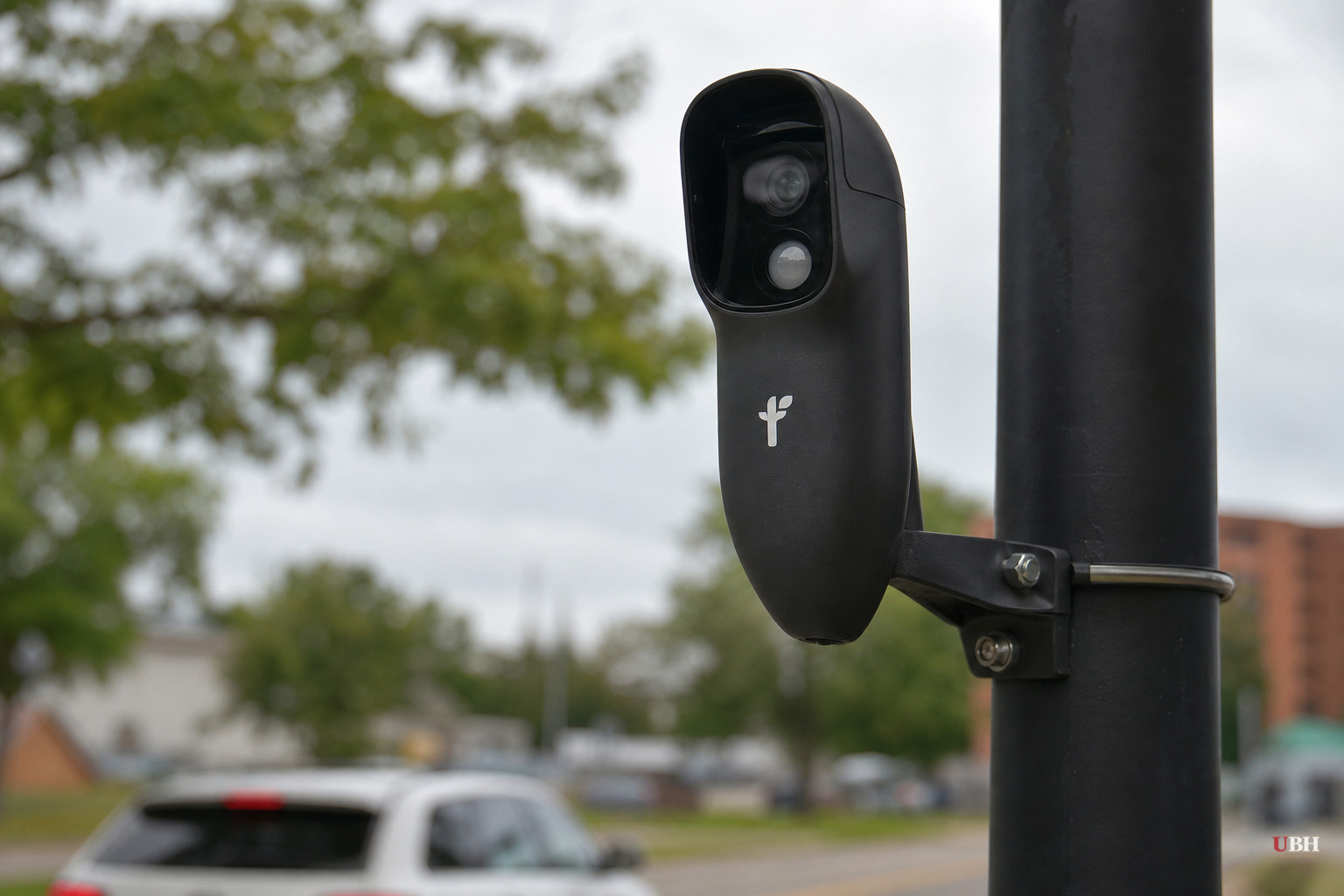
Since the Washington Post's August 2 investigation identified at least 50 law enforcement officers charged with or accused of misusing license plate reader systems, with Flock cameras tied to 46 of those cases, the company has moved from defense to damage control. On Thursday, CEO Garrett Langley announced a package of new rules and personally apologized on CBS News after saying he'd listened to one victim's interview that morning.
"I apologize," Langley told CBS News. "It kills me that she went through that." Asked if he'd taken responsibility soon enough, Langley admitted hindsight is "a brutal tool" and said Flock "could have done more earlier."
The specific case that pushed things over the edge involved three sheriff's deputies in Georgia who were arrested after a single agency turned on Flock's abuse-detection tool and caught them using cameras to stalk acquaintances, according to Ars Technica. A New Bedford, Massachusetts police officer was separately accused in court this week of using the tech to track an ex-girlfriend, per therecord.media. Flock CEO Langley told The Verge that dozens of similar incidents convinced him the company "got this one wrong."
What's Actually Changing
Flock is requiring all 7,000-plus law enforcement customers to activate its "Audit Assistance" tool by the end of the year. The feature flags abnormal search activity and automatically suspends a user's access pending administrator review. Right now only about a third of agencies use it voluntarily, according to Flock's own numbers reported by both Ars Technica and The Guardian.
Every database search will now require a case code before it can run, with an override for emergencies like a missing child, CBS News reported. Default data retention drops from 30 days to 7, though agencies can preserve data longer in an "Evidence Mode" for active investigations, and existing customers keep what Flock called their "current, democratically approved retention periods," according to Business Insider and thedrive.com.
Flock is also rolling out "Offense Filtering," letting individual cities restrict what categories of crimes outside agencies can search their camera data for, separating something like a stolen-vehicle lookup from immigration enforcement, according to The Guardian.
The Company Line vs. The Skeptics
Langley isn't conceding that Flock created the problem. "I don't think that Flock created police abuse," he told CBS News. "I think we're the first company to ever shine a light on it and build the tools to find it." He's not wrong that his own company's audit tool is what caught the Georgia deputies. But it's also true Flock made that tool optional for over a year before this week, and only a third of agencies bothered turning it on.
The American Civil Liberties Union isn't buying the full pitch. ACLU senior policy counsel Chad Marlow called the data-retention cut "a step in the right direction" but dismissed several other measures as "merely retreads of previous inadequate safety measures," according to therecord.media. Marlow specifically noted that requiring officers to input a search purpose already failed once before, because officers could simply lie about the reason, a loophole Flock's new case-code requirement doesn't obviously fix.
The ACLU also raised a specific concern: there's no independent data showing how well the audit tool actually works. "Unless we know the number of officers misusing the system, we cannot conclude if Flock and its auditing tools are catching 95 percent of violators or 5 percent," the ACLU said. Former San Francisco DA Chesa Boudin made a related point to SFGate. Even a good detection tool is worthless if local police departments decide, on their own, whether to discipline officers it flags, and that decision happens behind closed doors.
Reason's reporting adds a separate dimension. Misidentification, not misuse, is the issue in some cases. The outlet detailed how Lindsey Isaacs spent two weeks in jail after a Flock camera near a fatal Interstate 4 pileup in Sanford, Florida, wrongly implicated her Dodge Durango in an October 2025 hit-and-run that killed motorcyclist Joaquin Deno and a county official and his wife. None of Thursday's announced changes address that kind of error, where officers arrest someone based on a camera hit without doing basic verification first. Business Insider separately reported that one California town's Flock system misread license plates in 71% of the alerts it sent police.
Flock, based in Atlanta and founded nine years ago, was recently valued at $8.4 billion and has deployed cameras in more than 6,000 U.S. communities scanning roughly 20 billion plates a month, according to The Guardian and Business Insider. Dozens of cities have paused, canceled, or suspended their contracts amid the backlash, Business Insider reported.
The open question is enforcement, not policy language. Flock can mandate a tool; it can't mandate that a sheriff's office actually fires or prosecutes an officer the tool flags. Whether Thursday's changes reduce abuse or just make it better documented depends entirely on decisions local agencies haven't yet had to make in public.
Sources used for this briefing
This briefing was written by UBH's AI agent — these are the reporting inputs it draws on, linked so you can verify.

