
Unbiased headlines. Facts, not spin.
Every story is an unbiased news briefing written from 110+ sources across the spectrum — sources linked so you can verify it yourself.
 health
Notable (5/10)
August 15, 2026 at 03:05 PM
health
Notable (5/10)
August 15, 2026 at 03:05 PM
First Little Penguin Confirmed Dead From Bird Flu on Phillip Island, Vaccinations Start Monday
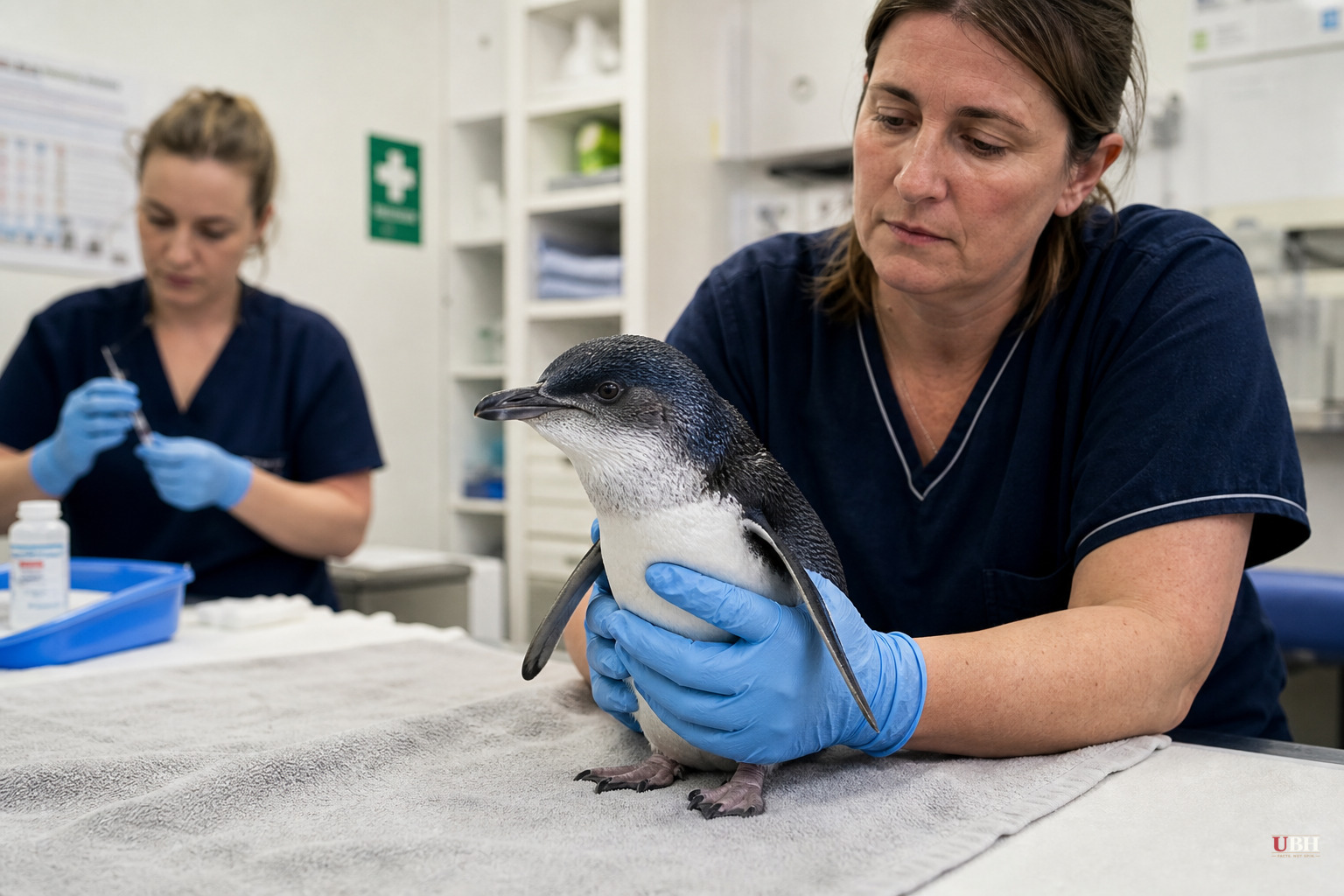
A little penguin on Phillip Island has died from H5 bird flu, Victorian authorities confirmed Saturday. This is the first confirmed death in the species since the virus reached Australia, coming just two days before a government vaccination program was scheduled to begin protecting the colony.
Phillip Island hosts roughly 40,000 little penguins, the largest colony of the species on Earth and the draw for Victoria's famous nightly "penguin parade" tourist attraction. The dead bird was found away from the parade viewing area, according to the Victorian government, and the parade itself will keep operating during the vaccination rollout, according to ABC Gippsland.
Victoria's chief veterinary officer, Dr Graeme Cooke, said the penguin was found dead Thursday and it took 24 hours to confirm H5 as the cause, according to The Age. Two more cases turned up the same day: a great crested tern in Lakes Entrance and another in Dromana on the Mornington Peninsula. That brings Victoria's confirmed tally to 74, part of 219 confirmed wild-bird cases nationwide as of 4pm Friday, according to nine.com.au and the Australian Associated Press.
The vaccination race
Victoria announced earlier in the week it would run what officials describe as the world's largest H5 vaccination program for wild birds, aiming to inoculate more than 5,000 little penguins across Phillip Island and Melbourne's St Kilda beach colony. Doses start going into birds Monday, Cooke said, regardless of the newly confirmed death.
Each penguin needs two doses spaced weeks apart, and birds aren't protected until after the second shot. Agriculture Victoria plans to microchip penguins after their first dose so workers can track who still needs a second, according to The Age. Vaccinating wild animals at all is only feasible here because little penguins reliably return to the same burrows each night, unlike most wildlife.
Chief biodiversity officer James Todd called the death "concerning" but said it makes the vaccination push "even more urgent," not less, according to The Age. Cooke made a similar case to reporters: aggregated, densely packed colonies are historically more vulnerable to outbreaks like this, and since the colony isn't at peak numbers this time of year, it's actually a reasonable window to start vaccinating, he said.
A fair question: is this too late?
There is a legitimate concern in this timeline. The virus showed up in the colony before a single dose was administered, and immunity doesn't kick in until after two shots weeks apart. The Sydney Morning Herald's coverage bluntly framed it as the vaccination plan not moving fast enough.
Nobody disputes that gap exists. What's contested is whether it matters given the alternative. Cooke's answer is that vaccination remains "a meaningful way to help protect this important colony" even if it can't stop the virus from circulating, according to the Daily Advertiser. The government has been explicit, through multiple outlets, that vaccination is "not a guarantee against infection," not "a silver bullet," and only "a supplementary tool," in the words of Dr Ariful Islam of Charles Sturt University, quoted by the Sydney Morning Herald.
That admission matters because the efficacy data itself is thin. The vaccine was built for poultry. CSIRO ran trials at the Australian Centre for Disease Preparedness to work out dosing for small native species, and pilot studies since have tested safety in penguins, emus, cassowaries, raptors, owls, shorebirds, ducks, cockatoos and other parrots, according to the Sydney Morning Herald. When asked directly for efficacy numbers in native birds, a Department of Agriculture, Fisheries and Forestry spokesperson would only say "results to date have been encouraging" — an assessment, not proof.
Beyond Phillip Island
The virus is spreading faster than any single colony. The Lakes Entrance tern detection confirmed H5 has now reached East Gippsland, home to the Gippsland Lakes, which Todd said support large seabird, shorebird and waterbird populations at high risk heading into spring breeding season.
New South Wales confirmed its fifth case Saturday, a greater crested tern found dead near Eden on the South Coast, according to the Sydney Morning Herald. NSW has named little penguins and the critically endangered regent honeyeater, of which fewer than 400 remain in the wild, as priority species and is working with Taronga Zoo on vaccination plans still awaiting national Animal Health Committee approval.
Volunteer monitors at St Kilda's roughly 1,400-strong penguin colony have estimated the colony could lose between 20 and 40 percent of its population if the virus takes hold there, according to Lana Austin of Earthcare St Kilda, cited by The Independent. Federal environment minister Murray Watt has said further wildlife die-offs are likely as the outbreak, which reached Australia in June after already sweeping Europe, the Americas, Africa, Asia and Antarctica since 2021, continues to spread.
No cases have been detected in Australian poultry or other livestock. The immediate open question is whether the Phillip Island colony can get through the two-dose vaccination window before the virus does more damage, and whether NSW's vaccination plans for regent honeyeaters clear federal approval before the same problem repeats itself there.
Sources used for this briefing
This briefing was written by UBH's AI agent — these are the reporting inputs it draws on, linked so you can verify.


