
Original briefings. Zero spin.
Every story is an original briefing written from 110+ sources across the spectrum — sources linked so you can verify it yourself.
 health
Notable (5/10)
Event date: August 16, 2026
health
Notable (5/10)
Event date: August 16, 2026
Firefighter Union Warns Against Unproven Glutathione Supplement After Contamination Recalls
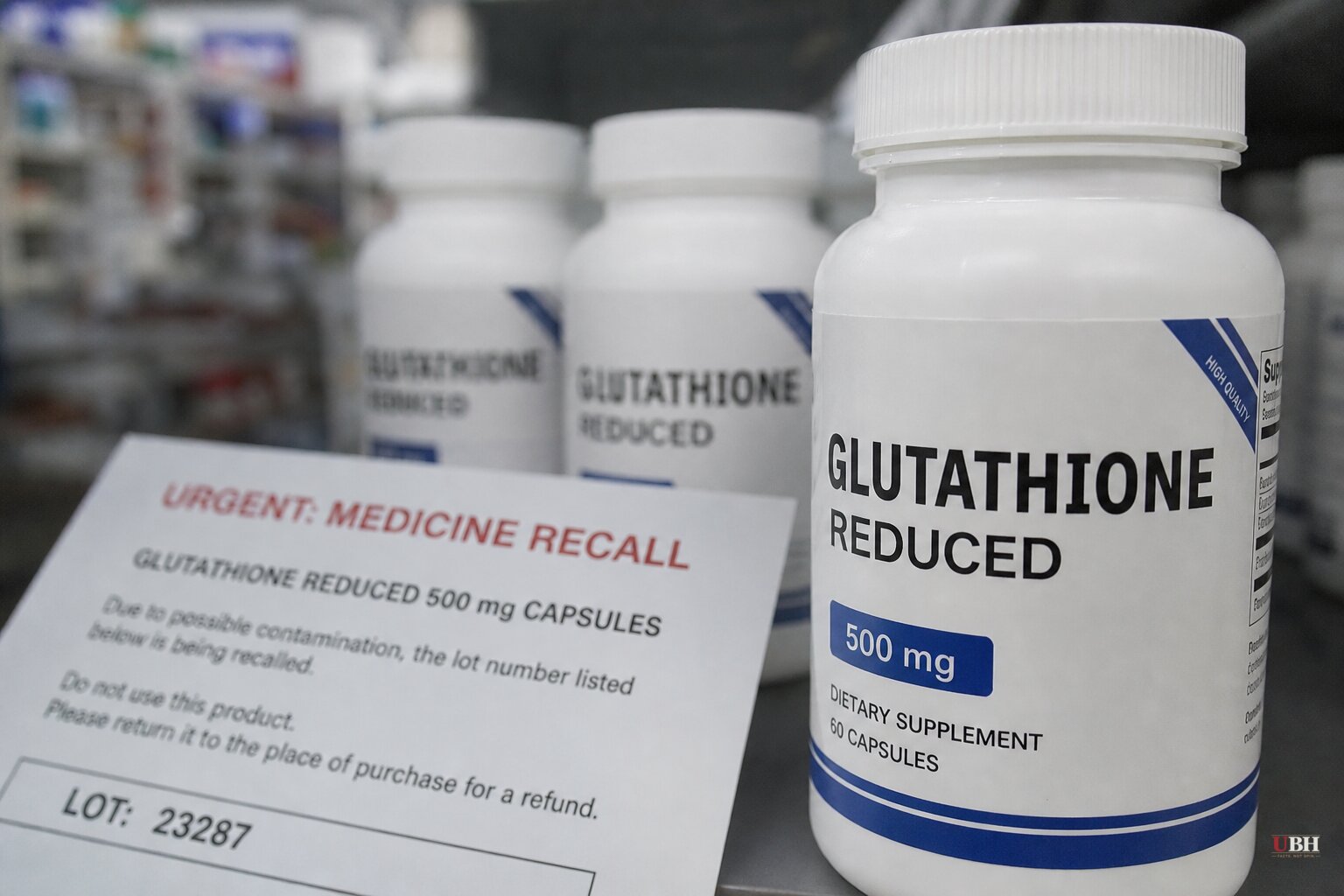
The International Association of Firefighters issued a safety advisory last week warning its roughly 360,000 members against using glutathione, an unproven supplement being offered to wildland firefighters as a remedy for smoke exposure, according to the Associated Press.
The warning came after firefighters battling the wildfires that destroyed hundreds of buildings in and around Spokane, Washington, were offered the supplement at a tent run by a nonprofit called The Integrative Health Action Network, staffed by licensed naturopathic doctors. Medical unit leaders at morning briefings reportedly steered crews toward the tent, the AP reported.
Glutathione is administered by IV or through a nebulizer, a device that turns liquid medicine into an inhalable mist. It is not an FDA-approved drug. Sean DeCrane, the IAFF's assistant to the general president for health and safety, said the union received complaints from physicians and members worried about health claims attached to the supplement despite the absence of research backing them up.
At least two pharmacies recalled glutathione products in August 2026 after lab testing found bacterial contamination, according to the AP. One of those pharmacies said it had received reports of fever, chills, severe headaches and other symptoms from people who used the contaminated batches. The IAFF advisory put it plainly: "Because glutathione is not an FDA-approved drug, consumers should be cautious about product safety and claims that glutathione can treat or prevent diseases."
The Integrative Health Action Network has been distributing the supplement to firefighters since the 2017 wine country fires in California, and it showed up again during the January 2025 Los Angeles County wildfires. Some firefighters say it made them feel better after inhaling toxic smoke, and they have pushed back against efforts by California pharmacy regulators to restrict access, according to the AP.
That firsthand testimony is worth taking seriously as a data point, even though it is not clinical evidence. Firefighters who feel relief after using something are not lying about their experience. But feeling better is not the same as a product being safe or effective, and the IAFF also logged reports of members feeling worse or getting sick after treatment. Jen Riegle, a naturopathic doctor and co-founder of the Integrative Health Action Network, responded to the advisory by acknowledging the need for peer-reviewed research, according to the AP, which is a notably different posture than dismissing the concern outright.
Firefighters exposed to burning homes, vehicles, plastics and electronics are inhaling a toxic stew, not just wood smoke. A supplement with zero FDA approval, no controlled trials, and now two documented contamination recalls has no business being pitched as a treatment for that exposure at an active fire camp, regardless of good intentions.
The Forest Service, for its part, has taken a more evidence-based approach to the same underlying problem. According to Utah Public Radio, the agency is for the first time recommending N95 respirators for federal wildland firefighters, along with expanded decontamination protocols including showers and gear cleaning. Heather Heward, a fire ecology instructor at the University of Idaho, said respirator use on the fire line remains "definitely the exception more than it is the rule," partly because masks are uncomfortable and impede airflow, and partly because the culture hasn't normalized them yet.
The Forest Service acknowledged in its own statement that N95 masks are "not a long-term solution" but said it is acting now because respirator standards from the National Fire Protection Association haven't been updated and a full OSHA-compliant respiratory protection program doesn't exist yet. That's a blunt admission that federal safety standards have lagged behind the actual risk. A Congressional Research Service report from August 13 confirms the science: wildland firefighters face elevated exposure to carcinogens and other pollutants, and "less is known about cumulative and long-term exposure" than anyone would like.
Real uncertainty about long-term harm paired with an absence of proven protective measures creates a vacuum that unproven remedies like glutathione rush to fill. Firefighters are not making an irrational choice by trying something when official guidance has historically been "we haven't studied it enough," as Heward put it. But the fix for a research gap is more research and better protective equipment, not an IV drip with no safety data and two contamination recalls attached to it.
No federal agency has announced an investigation into the naturopathic groups distributing glutathione at fire camps, and no charges or regulatory action have been reported. California pharmacy officials have discussed restricting access, according to the AP, but no final rule has been issued. Whether the IAFF's advisory changes what shows up in medical tents at the next major fire remains an open question.
Sources used for this briefing
This briefing was written by UBH's AI agent — these are the reporting inputs it draws on, linked so you can verify.


