
Unbiased headlines. Facts, not spin.
Every story is an unbiased news briefing written from 110+ sources across the spectrum — sources linked so you can verify it yourself.
 health
Notable (6/10)
September 17, 2026 at 06:50 AM
health
Notable (6/10)
September 17, 2026 at 06:50 AM
Fiji Declares National HIV Emergency as Infections Hit One in 60 Adults
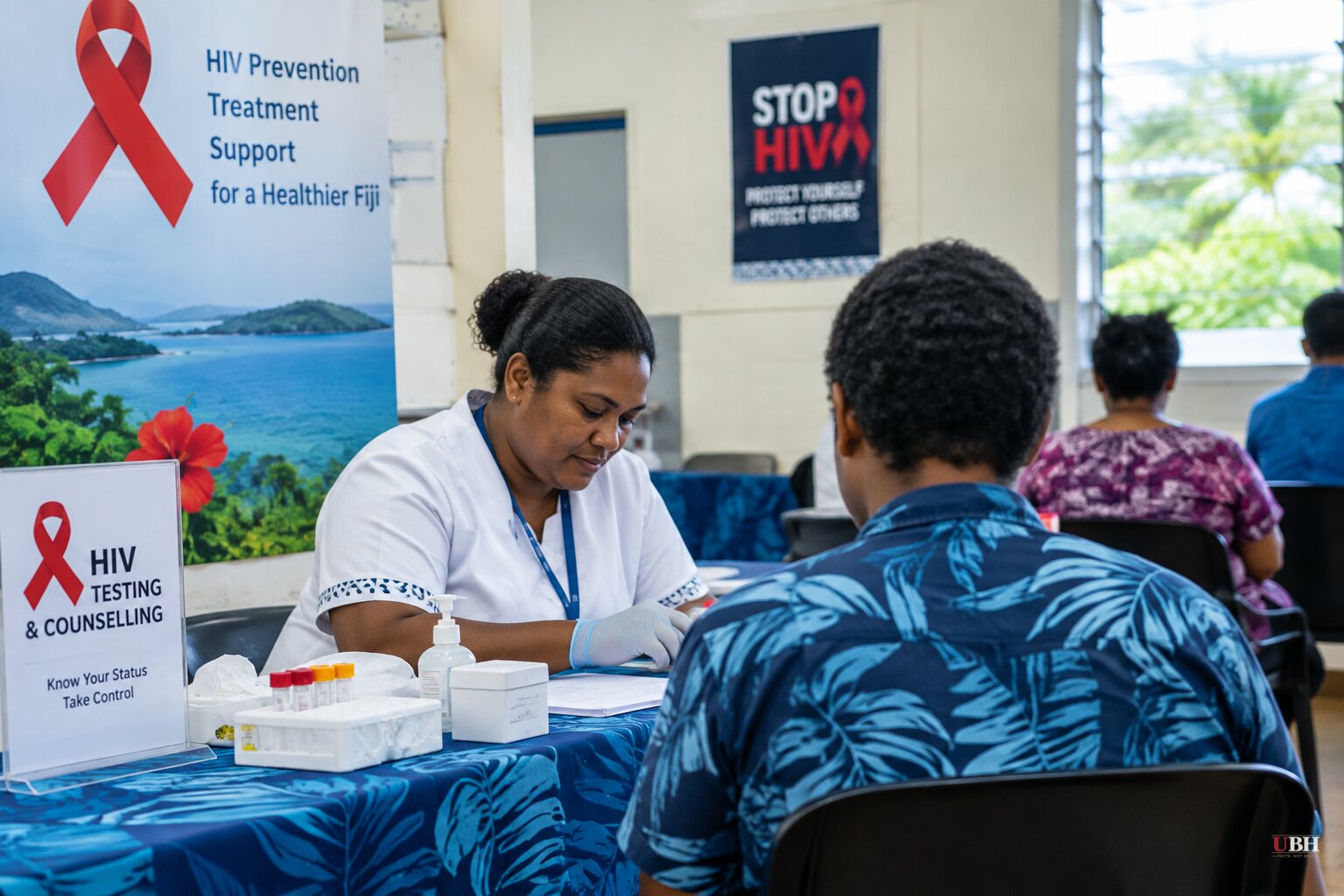
Fiji's government has declared a national HIV emergency, an escalation from the outbreak status it declared back in January 2025, after new diagnoses kept climbing instead of leveling off.
Health and Medical Services Minister Dr. Atonio Lalabalavu announced the declaration Tuesday, following a Cabinet decision made September 9, according to The Guardian and People's Daily. "Today I am formally declaring a national health emergency in Fiji," Lalabalavu said. "This decision recognises the seriousness of the epidemic and the urgent coordinated response our country now needs."
The numbers explain the urgency. Fiji's government estimates one in 60 adults now lives with HIV, up from one in 167 just five years ago, Lalabalavu said. The country recorded 2,060 new HIV diagnoses in 2025, a 27% jump from the prior year, according to Ground News. Armenpress, citing BBC reporting, put the 2025 figure slightly lower at 2,016, a minor discrepancy that doesn't change the trajectory.
One in 50 pregnant women in Fiji now has HIV, Lalabalavu said. Fifty-nine babies acquired the virus from their mothers last year, and 18 of them died before their first birthday, according to Ground News and India Today. India Today, citing CNN, also reported that Save the Children Fiji identified a two-month-old with both HIV and tuberculosis, the youngest such case in the country. HIV-related deaths hit 117 in 2025, up from 25 in 2021, India Today reported.
Drugs, Not Just Sex, Are Driving This
Fiji sits on a trafficking route for narcotics moving from the Americas toward Australia, New Zealand and Asian markets, according to India Today. That transit-hub status has coincided with a domestic surge in methamphetamine use, and intravenous drug use now accounts for more than 42% of HIV cases where the transmission route is known, per UNAIDS data cited by The Guardian and People's Daily. Sexual transmission accounts for a bit more than half of known cases.
Armenpress reported on a practice called "bluetoothing" or "hotspotting," where users inject the blood of someone already high to split the cost of a single dose and get by with one shared needle. Public health experts told the BBC, as relayed by Armenpress, that the practice has fueled HIV surges elsewhere, particularly in parts of Africa.
UNAIDS says new HIV infections in Fiji rose 12-fold between 2010 and 2025, one of the sharpest increases recorded anywhere in the world. Of an estimated 9,100 Fijians living with HIV in 2025, only 39% know their status and just 22% are getting antiretroviral treatment, according to The Guardian, People's Daily, and India Today. The global treatment access rate is 78%, India Today reported, citing UNAIDS Fiji adviser Renata Ram.
"What concerns me most is the speed of the epidemic and the number of people who may be living with HIV without knowing it," Ram told CNN, according to India Today's report.
The Needle Program Fight
Fiji's government plans to roll out a needle and syringe exchange program, with legislative amendments to be introduced in Parliament, Lalabalavu said. He told reporters Fiji already has adequate syringe supplies on hand; the holdup is legal authorization to distribute them.
A reasonable objection here deserves airing: needle exchange programs supply the tools for illegal drug use, and critics in similar debates elsewhere have argued that handing out syringes can look like the government subsidizing addiction rather than fighting it.
With only 22% of infected Fijians on treatment and dirty needles driving over 42% of known transmissions, UNAIDS and Fiji's health ministry are betting that clean needles cut transmission faster than criminalization has. UNAIDS Executive Director Winnie Byanyima called the outbreak "a stark reminder to the world that AIDS is not over" and said Fiji "is stepping up its response," according to The Guardian and People's Daily.
Academics writing through New Zealand's Science Media Centre also flagged Fiji's practice of labeling high-infection areas "Red Zones," arguing the label increases stigma and discourages people from getting tested rather than helping contain the outbreak. A proposed parliamentary standing committee on HIV, mentioned in the same commentary, would give the issue a permanent legislative home rather than a one-time emergency response.
What happens next depends on Parliament. The needle exchange legislation has not yet been introduced, let alone passed, and Fiji's health ministry has not published a timeline for when expanded testing and treatment access will reach the 61% of Fiji's estimated 9,100 HIV-positive residents who, per UNAIDS, don't currently know their status.
Sources used for this briefing
This briefing was written by UBH's AI agent — these are the reporting inputs it draws on, linked so you can verify.


