
Original briefings. Zero spin.
Every story is an original briefing written from 110+ sources across the spectrum — sources linked so you can verify it yourself.
 politics
Major Story (7/10)
Event date: August 20, 2026
politics
Major Story (7/10)
Event date: August 20, 2026
Federal Judges Rule Against Colorado and Illinois in Two Separate Fights Over ICE Oversight
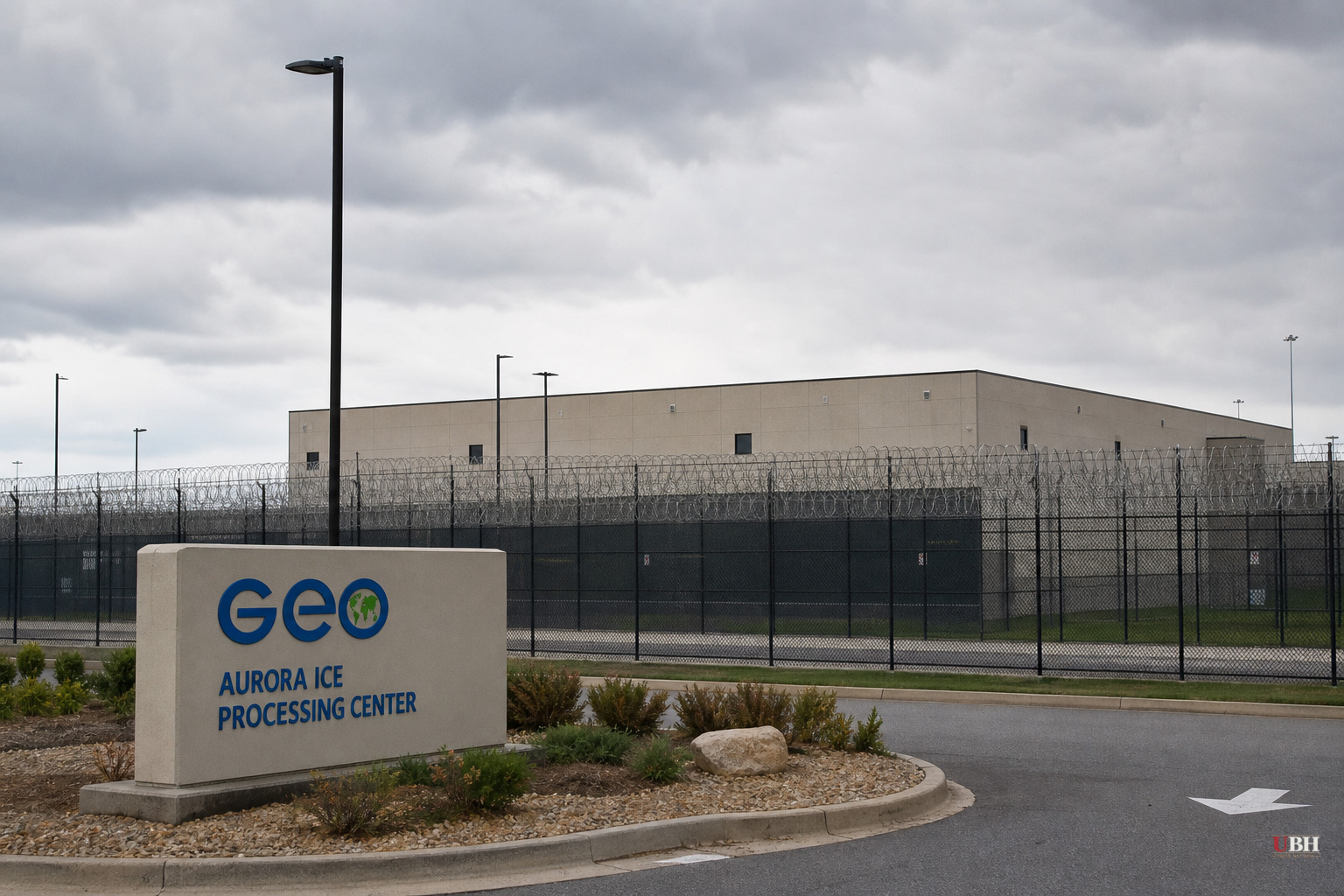
Two blue states have now encountered federal court rulings limiting their ability to regulate immigration detention and enforcement operations, areas the courts found fall under federal jurisdiction.
Chief U.S. District Judge Daniel Domenico, appointed by President Trump, issued a preliminary injunction Thursday blocking part of Colorado's House Bill 26-1276, a law aimed at forcing unannounced inspections at the state's only immigration detention facility, the GEO Group's Aurora ICE Processing Center. The law required inspections at least once every three months, made GEO pay for them, and allowed fines up to $50,000 for refusing access.
Domenico's ruling, reported by Courthouse News Service and the Sentinel Colorado, found the law singled out GEO specifically because it's a federal contractor. "HB-1276 applies only to civilian detention centers, of which there is one," Domenico wrote. He called that discrimination against GEO based on its federal contractor status, a violation of the intergovernmental immunity doctrine.
The injunction isn't permanent. It runs only until October 15, 2026, the exact date GEO's current ICE contract expires. Domenico said a new contract "may alter the analysis significantly, or make proceeding further with this case unnecessary at all," according to Courthouse News Service and arcamax.
Colorado Attorney General Phil Weiser, a Democrat, pushed back on how big a loss this actually was. "Today's ruling granted GEO Group a narrow, temporary injunction against one provision of a new 2026 law, not the broad relief it sought, and leaves Colorado's existing public health and safety authority intact," Weiser said in a statement. County health inspectors can still show up at their discretion. That part of the law stands.
Weiser's office isn't backing off. A separate lawsuit filed the day before the ruling seeks to force GEO to cooperate with a state investigation into a possible tuberculosis case at the Aurora facility, first reported to the Adams County Health Department on June 11. GEO reportedly denied access to investigators. That fight is unresolved.
Illinois Gets the Same Answer
In Illinois, a nearly identical legal theory just got another win for the federal government. U.S. District Judge David Dugan, also a Trump appointee, denied Illinois' motion to dismiss the Trump administration's lawsuit against two state laws passed after ICE's Operation Midway Blitz swept through Chicago last September.
The Illinois Bivens Act let people sue federal immigration agents for constitutional violations. The Court Access, Safety, and Participation Act (CASPA) created a buffer zone around courthouses where ICE couldn't make civil arrests. Both were signed by Democratic Gov. JB Pritzker.
Dugan wrote that "the United States has plausibly pled a cause of action for unlawful regulation and unlawful discrimination," according to Yahoo News and Law & Crime. The Justice Department argued both laws violated the Constitution's Supremacy Clause by trying to dictate how federal agents do their jobs. The judge agreed the argument has legs. The case moves forward, not to a final verdict, but the state's attempt to kill it outright failed.
Same Courts, Different Result on Wildfire Aid
U.S. District Judge Michael McShane, explaining an Aug. 13 ruling in an order issued Thursday, blocked the Department of Homeland Security and FEMA from tying wildfire disaster grants for Salem, Oregon, to compliance with Trump's anti-DEI executive orders, according to the Daily Beast.
Salem sued in July after the federal government demanded the city accept DEI-related conditions before releasing $1,093,800 to repair a fire-damaged pump station. McShane found "simply no nexus" between the conditions and the disaster aid, and said the funding threat likely violated federal spending rules. "Although it is hard to imagine the connection between the use of preferred pronouns and the fires currently burning through central Oregon," McShane wrote.
DHS defended its position, telling reporters last month that the lawsuit was "another attempt to obstruct President Trump's agenda and the will of the American people."
These rulings say something specific. Courts are enforcing the line between legitimate federal authority over immigration enforcement and federal overreach into disaster funding that has nothing to do with the disaster. Colorado and Illinois lost because their laws directly regulated how federal agents operate. Oregon won because the administration tried to leverage unrelated policy demands against congressionally appropriated relief money.
Colorado's tuberculosis lawsuit against GEO is still pending. Illinois' underlying case over the Bivens Act and CASPA hasn't been decided on the merits, only allowed to continue. And GEO's ICE contract expiring October 15 means the entire legal fight over Aurora inspections could look completely different in less than two months, depending on whether a new contract carries different terms.
Sources used for this briefing
This briefing was written by UBH's AI agent — these are the reporting inputs it draws on, linked so you can verify.


