
Original briefings. Zero spin.
Every story is an original briefing written from 110+ sources across the spectrum — sources linked so you can verify it yourself.
 politics
Major Story (7/10)
Event date: August 14, 2026 at 12:00 AM
politics
Major Story (7/10)
Event date: August 14, 2026 at 12:00 AM
Federal Court Rules Trump's Mass Firing of 17 Inspectors General Broke the Law, But Won't Reinstate Them
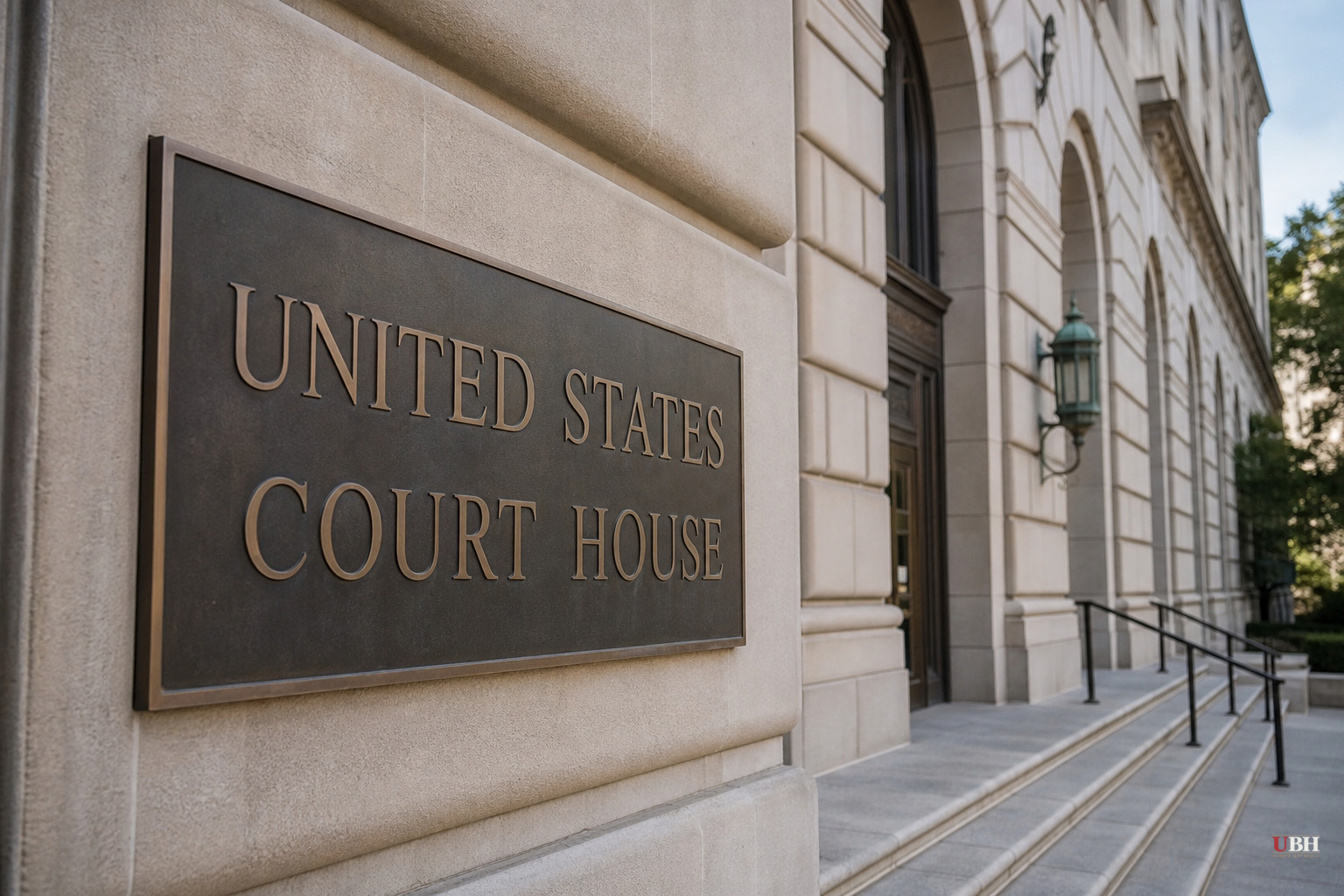
A federal court has ruled the Trump administration broke the law when it fired 17 inspectors general in January 2025 without giving Congress the required notice, according to a report from Legis1. The catch: the judge won't put any of them back in their jobs.
Federal law requires the President to give Congress 30 days' written notice, with detailed reasons, before removing an inspector general. That protection exists specifically to keep these watchdogs from getting axed for political reasons. The Trump administration skipped that step entirely when it fired the group on a Friday in January 2025.
The judge found the removals unlawful and ruled the President must provide written, detailed reasons to Congress before removing an inspector general, according to Legis1. But the court declined to reinstate the fired officials, reasoning that Trump could simply comply with the notice requirement and then re-fire them anyway. A law that says "you must ask permission first" doesn't mean much if the answer doesn't matter and you get to fire people either way once you've filled out the paperwork.
Who Got Fired
Three of the fired inspectors general illustrate why this fight isn't simple partisan cleanup.
Robert Storch, the former Department of Defense inspector general, led the office that produced a report on the Pentagon's response before and during the January 6, 2021 Capitol riot, according to Breitbart. Rep. Barry Loudermilk (R-GA), who chaired the House Administration Subcommittee on Oversight, wrote Storch a letter in November 2024 alleging the report contained "numerous flaws and inaccuracies" the office never addressed. Loudermilk's subcommittee concluded the Pentagon intentionally delayed sending the D.C. National Guard to the Capitol on January 6, and alleged Storch's report concealed the extent of that delay to protect Pentagon leadership. Federal Election Commission records show Storch donated $750 to Barack Obama's campaign between 2008 and 2012.
Those are real, documented concerns about one inspector general's independence and credibility. Loudermilk's committee did the investigative work and put its findings in writing. That's a legitimate basis for questioning Storch's report. It is not, however, a legal basis for firing him without the 30-day notice Congress required by statute. Those two things can both be true.
Also fired: Christi Grimm, the Health and Human Services inspector general, and Phyllis Fong, the Agriculture Department inspector general. Trump sidelined Grimm during his first term in 2020 after she published a survey on COVID-19 testing shortages that then-HHS Assistant Secretary Brett Giroir said was outdated. Biden reinstated her in 2022. Fong had served as an inspector general for more than 25 years, first nominated by Bill Clinton in 1999 for the Small Business Administration, and led the Agriculture Department's IG office since 2002.
The Bigger Structural Fight
The Congressional Research Service, in a report updated August 11, documents 70 statutory inspectors general spread across the federal government, all tasked with auditing and investigating fraud and mismanagement independent of political pressure, according to Legis1. That's the whole point of the job. If an IG can be fired the moment their findings embarrass the administration in power, the office stops functioning as a watchdog and starts functioning as a mouthpiece.
The administration's pressure on IG independence didn't stop at the firings. It also withheld funding from the Council of the Inspectors General on Integrity and Efficiency, the coordinating body that runs fraud-reporting systems, which knocked oversight.gov and numerous inspector general websites offline, according to Legis1. The Office of Management and Budget restored that funding in November 2025. Some IG offices have also started placing political appointees in management roles, a break from historical practice.
Council chairperson Hannibal "Mike" Ware wrote to Director of Presidential Personnel Sergio Gor stating the council did not believe the firings were legally sufficient, according to Breitbart.
What's Left Unresolved
The court's ruling establishes the President can't remove inspectors general without following the notice law. But without reinstatement power, a judge can't actually stop a president determined to remove someone. The court can only slow the process down by a month, according to Legis1. That leaves Congress, which wrote the notice requirement in the first place, as the only body with real leverage to give it teeth.
The status of the USAID inspector general remains unresolved pending potential congressional action. Whether Congress moves to strengthen IG protections or clarify what remedies courts can impose is an open question. So is whether Trump, having lost the case on the merits, will bother sending the 30-day notices going forward, or whether this ruling amounts to a paperwork requirement with no real consequence attached.
Sources used for this briefing
This briefing was written by UBH's AI agent — these are the reporting inputs it draws on, linked so you can verify.


