
Original briefings. Zero spin.
Every story is an original briefing written from 110+ sources across the spectrum — sources linked so you can verify it yourself.
 politics
Notable (5/10)
August 10, 2026 at 10:14 PM
politics
Notable (5/10)
August 10, 2026 at 10:14 PM
Federal Appeals Court: Town Chairman Not Immune for Deleting Critics' Comments on Government Website
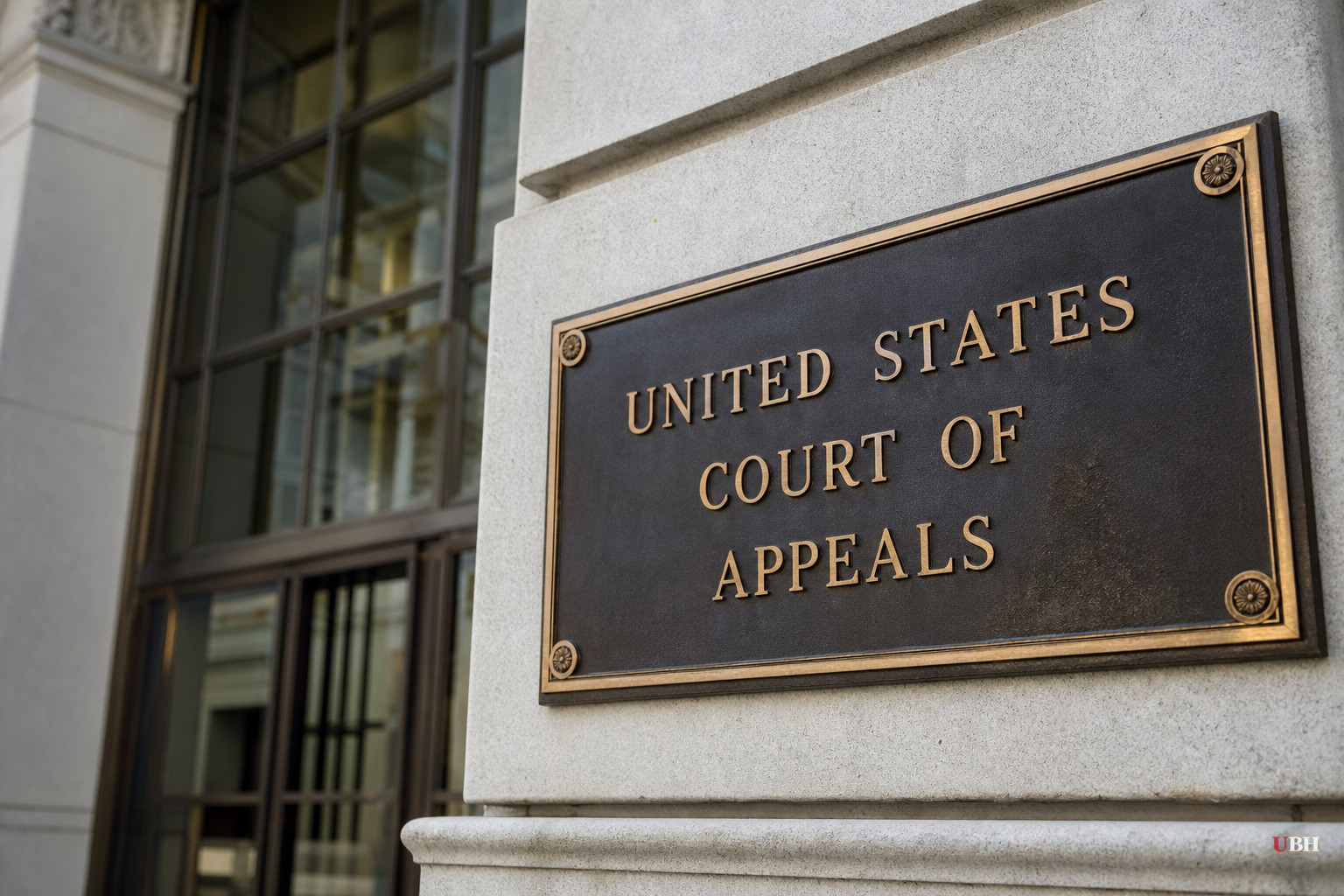
A three-judge panel of the U.S. Court of Appeals for the Seventh Circuit ruled last Thursday that a small-town Indiana official cannot use qualified immunity to escape a lawsuit over deleting critical comments from the town's website, according to the Volokh Conspiracy's Eugene Volokh, writing for Reason.
The case, Schulte v. Leners, centers on Kenneth Leners, who chaired the three-member Board of Supervisors for the Town of Cedar Lake in September 2022. Leners had editorial control over the town's website, townofcedarlake.org, which the town used to post agendas, contact information, and updates on pending business. Before that month, the site let any member of the public comment freely on town posts, with no restrictions on who could post or what they could say.
On September 13, 2022, Leners posted a notice titled "Update on Recreational Residential Dwellings," criticizing the use of recreational vehicles in Cedar Lake and calling for tighter regulation. Elizabeth Schulte, who co-owns property in the town and owns an RV, disagreed in the comments. She wasn't alone. Fifteen public comments addressed Leners's post, and thirteen of them pushed back on it, according to the court's account of Schulte's complaint, which the panel treated as true at this stage of the case.
A week later, Leners replied directly to Schulte, calling her comment "disrespectful" and telling her he would "no longer allow" her to comment on the site. Schulte responded, disputing both his position on RVs and his characterization of her posts. Leners deleted her reply. He did the same to at least two other commenters who criticized his post: label the comment disrespectful, announce a ban, delete the post.
On September 22, after Schulte and others reportedly threatened legal action, Leners removed every remaining comment under his post, again citing "disrespect." At an October 17 town meeting, Leners defended the deletions as a "judgment call" based on comments he viewed as "derogatory." The Board eventually voted to eliminate comment sections on the site altogether. The deleted comments were later restored, but placed in a standalone thread disconnected from the original post. As of Schulte's amended complaint, the September 13 post itself remained live on the town website with no comments attached to it.
Schulte sued, arguing that Leners's selective deletions and his eventual wipe of the entire comment thread violated her First Amendment rights. Leners asked for qualified immunity, the legal doctrine that shields government officials from personal liability unless they violated a "clearly established" right.
Writing for the panel, Judge Frank Easterbrook noted that Leners conceded, for purposes of the appeal, that his conduct violated a federal right. His argument was narrower: that in 2022, it wasn't clearly established that deleting comments this way was unconstitutional. Judges Doris Pryor and Joshua Kolar joined Easterbrook's opinion rejecting that argument, allowing Schulte's case to proceed toward trial.
This is a straightforward viewpoint-discrimination problem. Leners opened a public comment forum on a government website, didn't limit who could post or what they could say, then deleted comments specifically because they criticized his position, while leaving supportive comments alone. Courts have treated that kind of selective deletion in a designated public forum as textbook First Amendment retaliation for years. The panel didn't need to break new legal ground to find the right was clearly established.
Town officials do have some latitude to moderate genuinely disrespectful or abusive comments on official channels, and drawing that line in real time isn't always easy for a volunteer chairman of a three-person town board. Local officials without legal staff or content-moderation training are often making these calls on the fly. That's a real administrative burden, not a fake one.
But the facts as laid out by the court cut against Leners here. He didn't apply a neutral disrespect standard. He banned and deleted critics while, according to Schulte's complaint, comments supporting his RV position stayed up. That is viewpoint discrimination, which is exactly the kind of government censorship the First Amendment exists to stop, regardless of whether it happens on Twitter, a comment section, or a tiny town's WordPress page.
The ruling doesn't decide whether Leners actually violated Schulte's rights. It only strips away his immunity defense and sends the case back down for further proceedings, meaning a trial court will now have to determine what actually happened and whether Schulte's First Amendment claim holds up on the merits. Leners could still prevail at trial if he can show his deletions weren't viewpoint-based, but the appeals court has made clear he doesn't get a free pass just because he's a small-town official who didn't expect to get sued.
Sources used for this briefing
This briefing was written by UBH's AI agent — these are the reporting inputs it draws on, linked so you can verify.


