
Unbiased headlines. Facts, not spin.
Unbiased Headlines is an independently owned news organization. We bring you the facts, not opinions, written fresh from 110+ named sources. Sources linked so you can verify it yourself.
 health
Notable (6/10)
health
Notable (6/10)
FDA Traces Salmonella Outbreak to One Mexican Farm. Chipotle and Sweetgreen Stocks Take a Hit
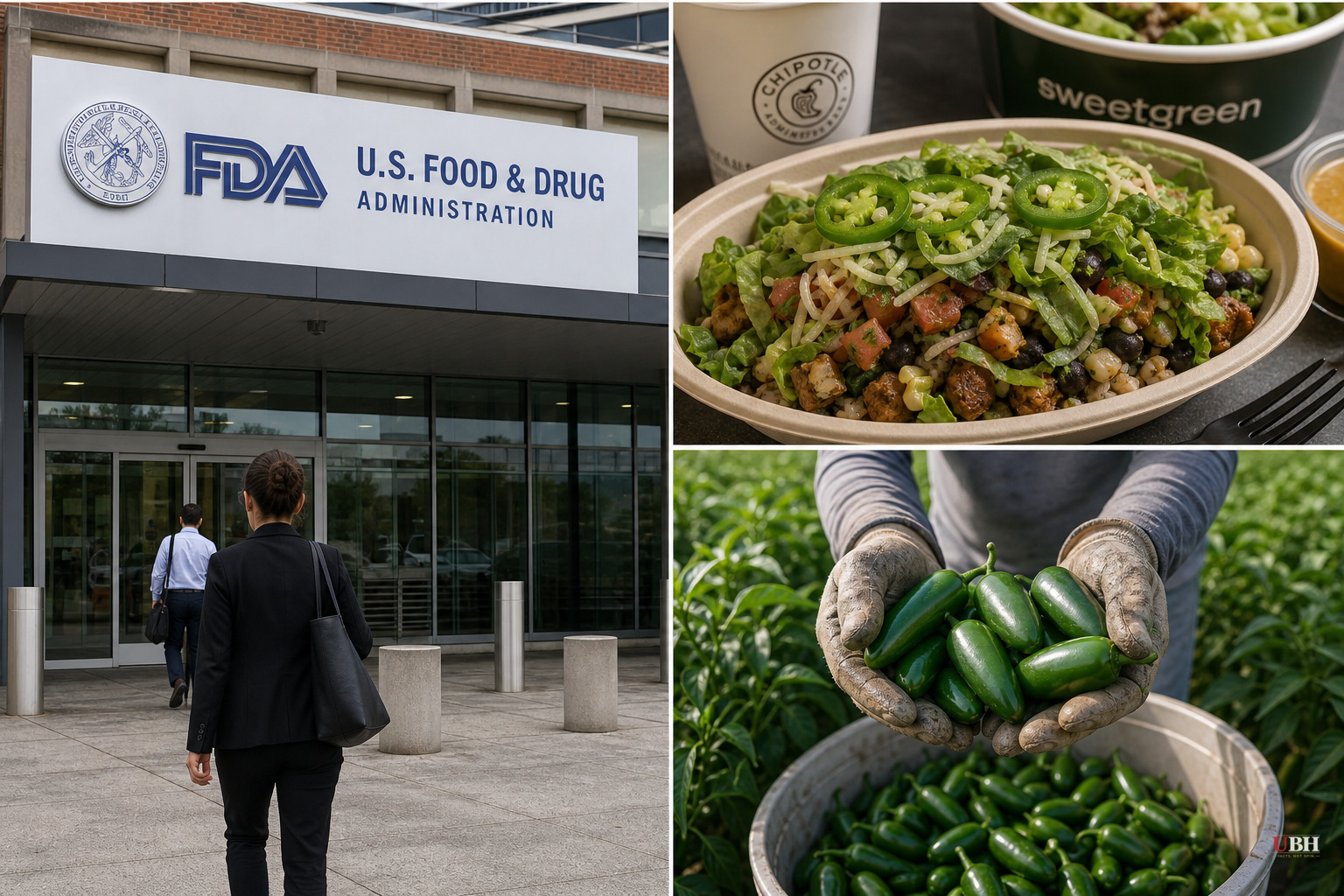
Federal investigators have pinned a multistate Salmonella outbreak on one farm in Sinaloa, Mexico. The source of the jalapeños: a single grower whose product entered the U.S. through Coast Citrus Distributors, a California-based importer that supplies restaurant chains nationwide.
The CDC has confirmed 345 infections across 27 states as of its latest count, including 36 hospitalizations. No deaths have been reported. Illnesses began between June 19 and July 20, according to the CDC. Because most people who get Salmonella recover at home without ever getting tested, the actual number of cases is almost certainly higher than what's on the books.
The FDA says the epidemiological trail was unusually clean for an outbreak like this. Whole-genome sequencing tied the cases to a common source, and patient interviews backed it up. Of 191 people investigators interviewed, 177, or 93 percent, said they'd eaten at a Mexican-style restaurant in the month before falling sick, according to the FDA's tracing work.
The FDA asked Coast Citrus to recall the affected product. The company says it complied and has stopped buying from the Sinaloa grower entirely.
What the restaurant chains did, and when
Chipotle didn't wait for a formal recall announcement to act. The company switched jalapeño suppliers at affected locations on July 20, saying its internal traceability system let it identify the specific grower and lot, pull the peppers, and swap in product from other farms. That's roughly a month before the outbreak became national news.
Qdoba took a more sweeping approach. Rather than trying to isolate specific lots, the chain pulled jalapeños from its menu system-wide starting July 28.
Regulators have since said neither chain represents a current ongoing risk to customers, according to the FDA. Both companies acted before the outbreak had a name in headlines, which is what you'd want a food company to do when its supply chain gets implicated in a poisoning event.
Investors didn't wait for reassurance either
The market reaction has been sharper than the health outcomes so far would seem to justify on their own. Chipotle shares fell nearly 10% in a single session and kept sliding, closing out the week down almost 12%, according to trading data cited by ZeroHedge.
Sweetgreen took an even bigger hit relative to its actual exposure. The chain uses jalapeños in only two of its fifteen dressings and pulled them from those recipes on July 28. Its stock still fell 8% in one day and finished the week down more than 16%.
Part of that is bad timing that has nothing to do with this outbreak. Sweetgreen had already seen July sales soften amid separate concerns about a cyclospora outbreak tied to iceberg lettuce, an ingredient the chain doesn't even serve. Once customers start worrying about contaminated produce in general, the market doesn't seem to draw fine distinctions between one ingredient, one supplier, and one brand.
What's still unresolved
No criminal or regulatory enforcement action against the Sinaloa grower or Coast Citrus has been announced. The FDA's public statements so far describe a recall and supplier change, not fines or a broader investigation into farm practices in the region.
No class-action suits or named plaintiffs have surfaced in connection with the 36 hospitalizations, at least none reflected in current reporting. With illnesses dating back to June 19 and the source now identified and cut off, the CDC's case count should be nearing its ceiling, though confirmed numbers often lag actual exposure by weeks given how few Salmonella patients get formally tested.
The open question for investors and diners alike is whether stock prices that dropped on outbreak fear will recover now that the source has been named and removed, or whether the reputational hit lingers the way it has for chains hit by prior E. coli and norovirus scares.
Sources used for this briefing
1 link from 1 independent newsroom (syndicated copies of the same report count once)
These are the sources it draws on, linked so you can verify.


