
Unbiased headlines. Facts, not spin.
Every story is an unbiased news briefing written from 110+ sources across the spectrum — sources linked so you can verify it yourself.
 health
Major Story (7/10)
Event date: August 10, 2026
health
Major Story (7/10)
Event date: August 10, 2026
FDA Proposes Mandatory GRAS Notification as Foodborne Outbreaks Pile Up This Summer
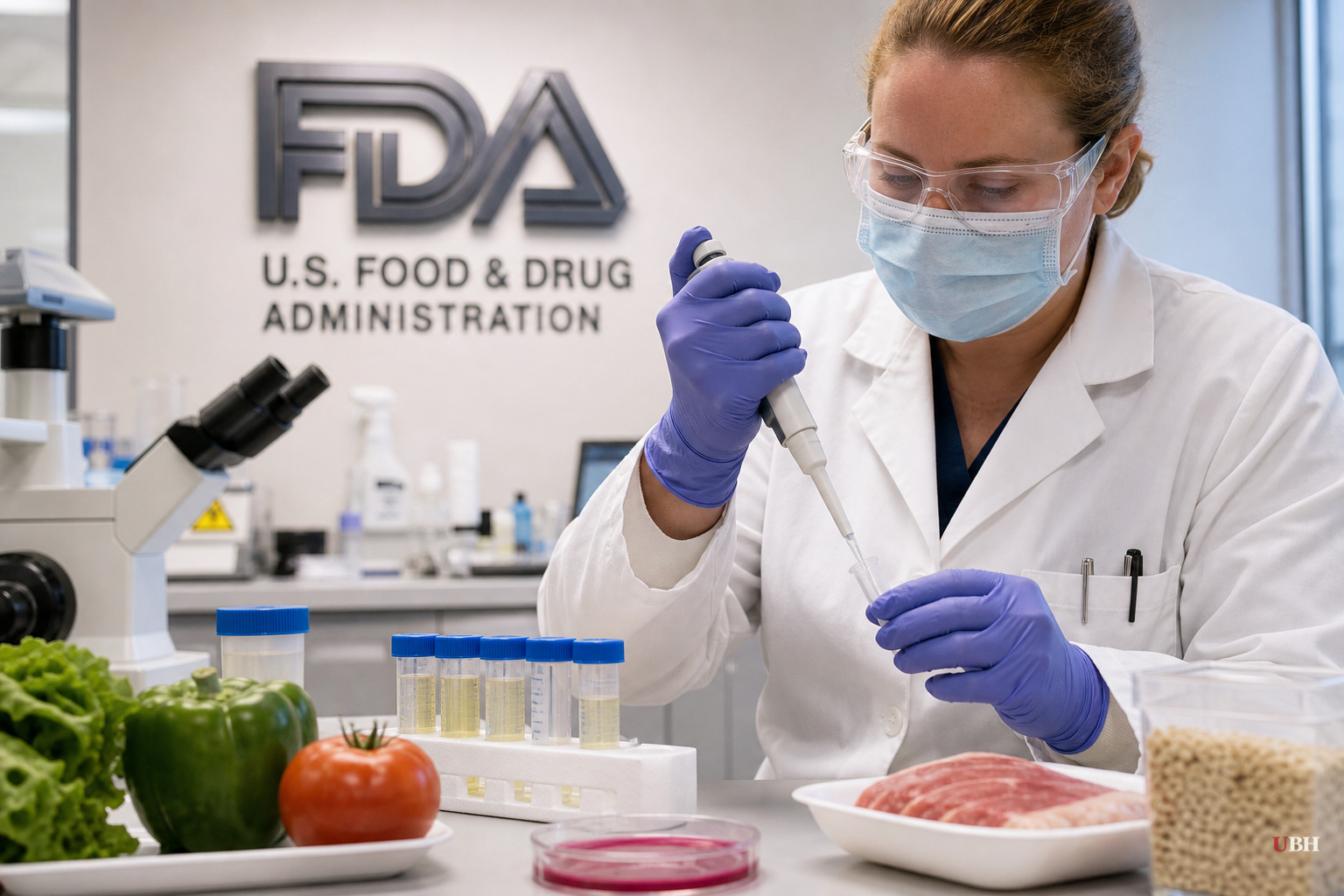
The FDA proposed a rule on Monday, August 10, that would force food companies to tell the agency when they've decided, on their own, that an ingredient is safe to put in your food. Right now they don't have to. That's the whole story of GRAS, generally recognized as safe, a loophole that's existed since the 1950s.
HHS Secretary Robert F. Kennedy Jr. and Agriculture Secretary Brooke Rollins rolled out the announcement alongside a separate move: the first-ever federal proposed definition of ultra-processed foods, submitted jointly by HHS and USDA for final review, according to HHS's own press release. The actual text of that definition hasn't been made public yet, per reporting from ua.news.
Acting FDA Commissioner Kyle Diamantas said the current system leaves the agency blind. "Shifting to a mandatory notification system closes a decades-old information gap, giving the FDA the comprehensive visibility needed to enhance postmarket safety," Diamantas told reporters, according to the Washington Examiner. Under current law, companies can hire their own experts, decide an ingredient is safe, and never tell the FDA. The new rule wouldn't require pre-market approval. It would just require companies to notify the agency after they've made that call.
Kennedy framed it as a campaign promise coming due. "We promised to transform our food systems and confront one of the most powerful drivers of America's chronic disease crisis," Kennedy said at the event, per the Washington Examiner, tying it back to his 2024 decision to suspend his independent presidential run and join Trump's campaign. "Almost exactly two years later, we're celebrating the most transformative 18 months of food reform in modern American history."
The Washington Examiner's report noted the HHS event "resembled a midterm election rally, with video highlight reels, upbeat music, and parents and children holding 'Eat Real Food' signs on the stage." That's a fair, on-the-record observation about staging and timing. The rule itself, mandatory disclosure of self-certified ingredients, is a modest, common-sense transparency measure. Companies still self-certify. The FDA just gets to see what they decided.
CNN reported that the FDA has already logged 20 foodborne illness outbreak investigations in 2026, with 18 still active, compared to an average of about 25 per year between 2021 and 2025. A dozen of those investigations were posted in just the past two months. Dr. Manisha Juthani, president of the Association of State and Territorial Health Officials, told CNN, "We're seeing the public health system tested right now as it relates to foodborne illness."
CNN also reported that federal funding cuts under the Trump administration reduced budgets for food inspections and for state and local health department grants used in traceback investigations, a detail that complicates the administration's own messaging about strengthening food safety. The FDA told CNN the increase in outbreak investigations "represents an increase from previous years" and pointed to improved lab detection as part of the explanation, not just worse contamination.
One of those active outbreaks involves imported jalapenos from Mexico, linked to a salmonella cluster that has sickened hundreds, according to Fox News, which featured chef and restaurant owner Andrew Gruel discussing food safety practices in response. Breitbart, meanwhile, took aim at actor Mark Ruffalo for blaming a drop in lettuce sales on Kennedy rather than on the actual source, Mexican produce tied to a separate cyclosporiasis outbreak linked to shredded iceberg lettuce, per ua.news. Whatever one thinks of Ruffalo's politics, the underlying outbreak sourcing is accurate. FDA investigations this year span salmonella, listeria, cyclospora, and E. coli, not a single ingredient policy.
Industry pushback is already on record. The Consumer Brands Association, which represents PepsiCo, Nestlé, and Kraft Heinz, has criticized the still-unpublished ultra-processed foods definition as too broad, according to ua.news. The Consumer Healthcare Products Association raised a separate concern: that revising GRAS rules could sweep in dietary supplements and over-the-counter drugs that currently rely on the same self-certification pathway. Those are legitimate compliance-cost and scope concerns from groups that would bear the burden of new reporting requirements, not fringe objections.
The GRAS rule is a proposal, not final law. It still has to go through public comment and federal rulemaking, per ua.
Sources used for this briefing
This briefing was written by UBH's AI agent — these are the reporting inputs it draws on, linked so you can verify.


