
Unbiased headlines. Facts, not spin.
Unbiased Headlines is an independently owned news organization. We bring you the facts, not opinions, written fresh from 110+ named sources. Sources linked so you can verify it yourself.
 health
Major Story (8/10)
FDA Opens Zolgensma Tumor Investigation, Extends Risk Finding to Itvisma, Says Benefits Still Outweigh Risks
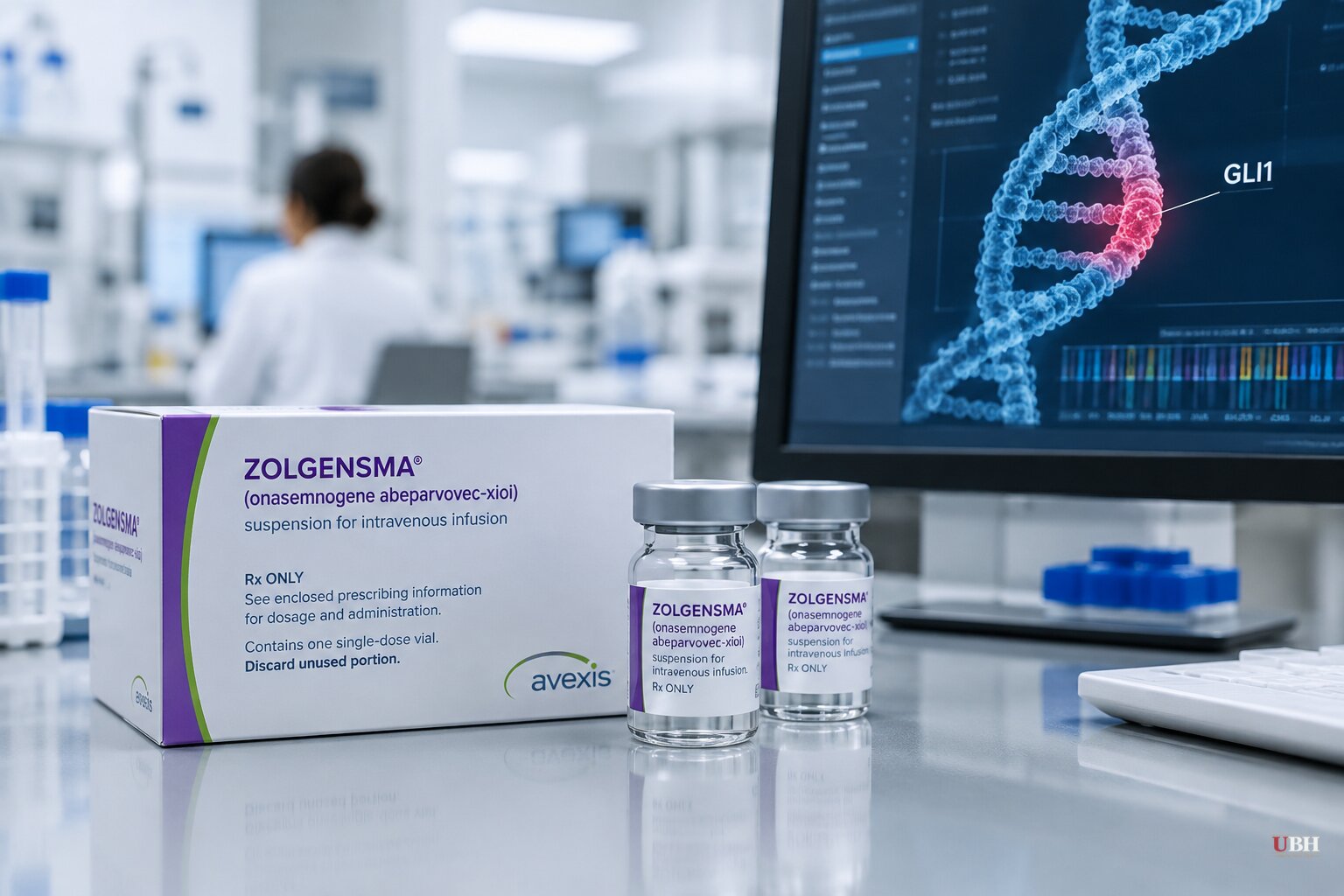
Since Novartis disclosed nine tumor reports in patients treated with its spinal muscular atrophy gene therapy Zolgensma, the FDA has moved from "assessing" to a formal investigation. The agency's Nov. 6 safety communication goes further than the company's statement on three points: the specific gene involved, the second drug it covers, and the possibility of regulatory action.
What the FDA says it found
The FDA said it has received postmarketing reports of malignancies in Zolgensma patients, including "confirmed reports of product-related insertional oncogenesis involving the GLI1" gene. GLI1 is an oncogene that can cause cancer when overexpressed or abnormally activated.
Three of the cases involved tumors associated with GLI1. In two, molecular analysis of tumor tissue showed Zolgensma's AAV vector DNA integrated into the host genome. The promoter region of the onasemnogene abeparvovec construct sat upstream of or within the GLI1 gene.
In the third case, the mechanism of GLI1 overexpression is still under investigation, the FDA said.
The reported tumors include those of the central and peripheral nervous systems, spinal and paraspinal regions, and the kidney.
The agency also cited two published reports of AAV integration-driven oncogenesis in other programs: a GLI1 integration event in the FBX-101 program (Vo et al., 2026) and a PLAG1 integration event in the RGX-111 program (Ahrens-Nicklas et al., 2026). It said it is closely monitoring similar AAV-based gene therapy programs.
Itvisma pulled into the picture
The FDA determined that the neoplasia risk applies to both Zolgensma and Itvisma, because the two products contain the same vector and construct.
Zolgensma is given by intravenous infusion to children under 2. Itvisma is injected into the spinal canal and is approved for patients 2 and older. Initial approval of Zolgensma was May 24, 2019. Itvisma was approved Nov. 24, 2025.
The FDA said there have been no reported cases of neoplasia after Itvisma to date. The agency is applying the risk to that product on the basis of shared biology, not on any tumor reports.
Benefits versus risks
The FDA said the overall benefits of both products "continue to outweigh their potential risks for their approved uses." It also said it is "evaluating whether regulatory action is appropriate." It has not said what action it might take or by when.
The agency is also reviewing the label. The current U.S. prescribing information lists only a "theoretical risk of tumorigenicity due to integration of AAV vector DNA into the genome" under Warnings and Precautions. The FDA said it is "expeditiously evaluating" whether that language and Novartis's long-term follow-up studies are adequate to track and reduce the risk.
Patients receiving either therapy should be monitored for tumor growth, the FDA said.
Novartis's position
Novartis has confirmed that more than 6,000 children have received Zolgensma. In a statement, the company said: "Patient safety is our priority. In each case, we timely and appropriately notified health authorities and will continue to work with them on next steps."
The company also noted that the tumor risk is mentioned in the drug's prescribing information. It did not say where the two cases with evidence of vector integration were reported.
That label language is now the point of contention. The FDA's own wording shows the "theoretical" risk has at least two documented cases of vector integration at a cancer-linked gene.
Patient groups want answers
Families are asking when this information was first known and why it was not shared sooner. SMA Europe, a patient group, has urged Novartis to explain clearly what is known, what is still uncertain and what the findings could mean for children already treated.
Tech Times, in its own account, pointed to Novartis's history with the product. It cited the FDA's August 2019 statement that the company knew of manipulated preclinical data in Zolgensma's approval application before approval and delayed telling regulators. That investigation ended without penalties. Nothing in the FDA's current communication links the two episodes, and Novartis says it notified health authorities on time in each of the tumor cases.
What the number does and does not say
Nine reports among more than 6,000 treated children is a small fraction. Only two reports so far carry molecular evidence tying the vector to the tumor. A third GLI1-linked case has no established mechanism yet.
The FDA's finding is also not a ruling that Zolgensma caused all nine tumors. It is a finding that product-related insertional oncogenesis is confirmed in some of them, and that the agency considers the broader risk serious enough to investigate.
The FDA has set no public deadline. The open questions are whether it will order a label change, a stronger monitoring requirement or something tougher. Another is whether any tumor report ever emerges in an Itvisma patient.
Sources used for this briefing
7 links from 6 independent newsrooms (syndicated copies of the same report count once)
These are the sources it draws on, linked so you can verify.


