
Unbiased headlines. Facts, not spin.
Unbiased Headlines is an independently owned news organization. We bring you the facts, not opinions, written fresh from 110+ named sources. Sources linked so you can verify it yourself.
 health
Notable (5/10)
Event date: October 19, 2026 ·
FDA Class II Recall Covers 22 Vials of Compounded Tirzepatide From North Carolina Pharmacy Warned in 2025
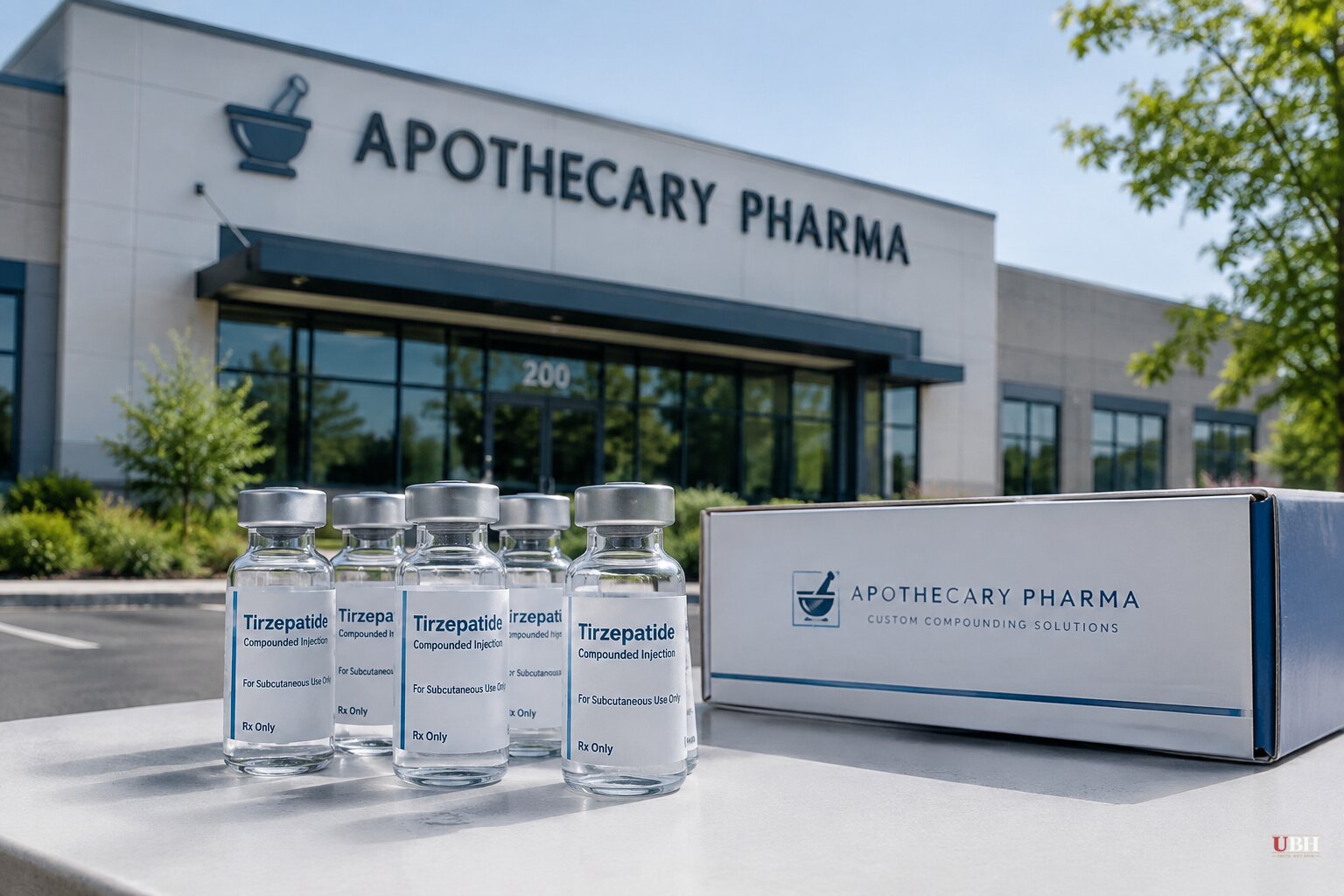
A compounded version of the weight-loss drug tirzepatide has been recalled nationwide, and the pharmacy behind it was already on the FDA's radar.
Apothecary Pharma LLC, based in Cary, North Carolina, started a voluntary recall on Sept. 24 for "lack of assurance of sterility," according to an FDA notice. The agency classified it as a Class II recall on Oct. 10.
The recall covers 22 vials of Apothecary Pharma Tirzepatide Injection, 18 mg/mL, in a 4 mL sterile multi-dose vial. It is prescription only. The brand-name drugs that use the same active ingredient, Mounjaro and Zepbound, are not affected.
What was recalled
The lot codes run from AP-202622 through AP-202644, with no AP-202626 on the list. Beyond-use dates range from Oct. 7, 2026 to Nov. 26, 2026.
Several of those dates have already passed. Lot AP-202625 reaches its beyond-use date today, Oct. 20.
Apothecary Pharma is also recalling an NAD+ injection, sold as a longevity supplement, for possible contamination. Both recalls are Class II.
The FDA defines Class II as products that may cause "temporary or medically reversible adverse health consequences," or where serious harm is unlikely. That is the middle tier. Class I covers products with a reasonable probability of serious harm or death.
The FDA has not issued public instructions on what to do with affected vials. Customers online say their prescribers have asked them to return or dispose of them. Anyone with a vial from these lots should not use it and should contact the prescriber.
The NY Post reports that Apothecary Pharma supplies compounded tirzepatide to several telehealth providers. That means a patient may never have dealt with the pharmacy directly. The vial's label shows the manufacturer and lot number.
Apothecary Pharma and the FDA did not respond to requests for comment on Oct. 19.
The December warning letter
In December 2025, the FDA sent Apothecary Pharma a warning letter after an inspection. It cited "serious deficiencies in your practices for producing drug products intended or expected to be sterile, which put patients at risk."
According to the NY Post's account of the letter, inspectors saw operators improperly handling sterile containers, touching sterile work areas and failing to change gloves. They also noted visibly rusty equipment that was hard to clean.
The recall came roughly nine months after that letter. The FDA has not said whether further enforcement against the pharmacy is planned.
Houston: a second pharmacy, a longer list
A separate recall involves Houston RX LLC. Federal inspectors spent six days at its Vantage Parkway East facility between Aug. 20 and Aug. 28 and issued a Form 483 listing 14 observations. The pharmacy later recalled 64 vials of compounded tirzepatide with niacinamide, also for lack of assurance of sterility.
The report, as described by Medical Daily, includes some blunt findings:
- An operator inside the cleanest workspace, the ISO 5 hood, had exposed skin on her forehead while stoppering semaglutide-niacinamide vials.
- Pressure readings between the buffer room and the anteroom were negative from July 10 to Aug. 21, a reversal that can let dirtier air drift toward sterile work. Lots made in that window were released.
- On Aug. 3, the pharmacy recovered microbial growth in the ISO 5 hood after filling a lot of tirzepatide-niacinamide. No investigation followed because the firm's action level was not appropriate, according to the FDA. That lot was released and partially distributed.
- A ceiling vent outside the cleanroom had water stains and what appeared to be mold, and dripped condensate on one inspection day.
- Certificates for the tirzepatide and semaglutide ingredients were marked for research and development only.
A Form 483 is not a final FDA determination. The document itself says the observations do not represent one, and the company can respond or correct them. Medical Daily could not locate a public response from Houston RX.
Why compounded GLP-1s keep turning up in recalls
Tirzepatide and semaglutide came off the FDA's drug shortage list in late 2024 and early 2025. Compounding pharmacies had filled the gap during the shortage, and they were expected to stop producing the drugs at scale. Many have continued, according to USA Today, which says that has prompted FDA warnings and legal challenges.
The NY Post reports that as many as 5 million people use compounded versions. Many get them through telehealth companies that ship straight to patients.
Compounded drugs are not reviewed by the FDA for safety, effectiveness or quality before they go on the market. The agency has flagged dosing errors that put people in the hospital, improper storage, and fraudulent compounded products that list a manufacturer that does not exist.
The MedShadow Foundation's Oct. 16 roundup of FDA enforcement actions found three compounding pharmacies recalling semaglutide and tirzepatide formulations with added vitamins or supplements. MedShadow notes the extra ingredients make the product differ from the branded drug, which compounders may use as a legal justification for not producing an outright copy.
Injectables carry the highest stakes. A contaminated vial bypasses the skin's natural barrier and can cause infection at the injection site or, less often, in the bloodstream. Patients cannot tell a clean vial from a compromised one by looking.
The worst precedent is 2012, when unsanitary injections from the New England Compounding Center caused a fungal meningitis outbreak. Nearly 800 people got sick and 64 died.
Nothing in the FDA's Class II designation suggests anything near that scale here. Still, the agency's own words apply: it says lack of sterility assurance means it "cannot guarantee" the product is free of contamination.
What comes next
Apothecary Pharma's recalled lots have beyond-use dates running through Nov. 26. Whether the FDA follows its December 2025 warning letter with further action against the pharmacy is unanswered. So is whether Houston RX responds to its 14 inspection observations, and what the agency does with them.
Sources used for this briefing
7 links from 6 independent newsrooms (syndicated copies of the same report count once)
These are the sources it draws on, linked so you can verify.


