
Unbiased headlines. Facts, not spin.
Unbiased Headlines is an independently owned news organization. We bring you the facts, not opinions, written fresh from 110+ named sources. Sources linked so you can verify it yourself.
 health
Notable (6/10)
Covid inquiry finds Hancock's 'protective ring' around care homes was 'unfounded' as report cites 43,000 care home deaths
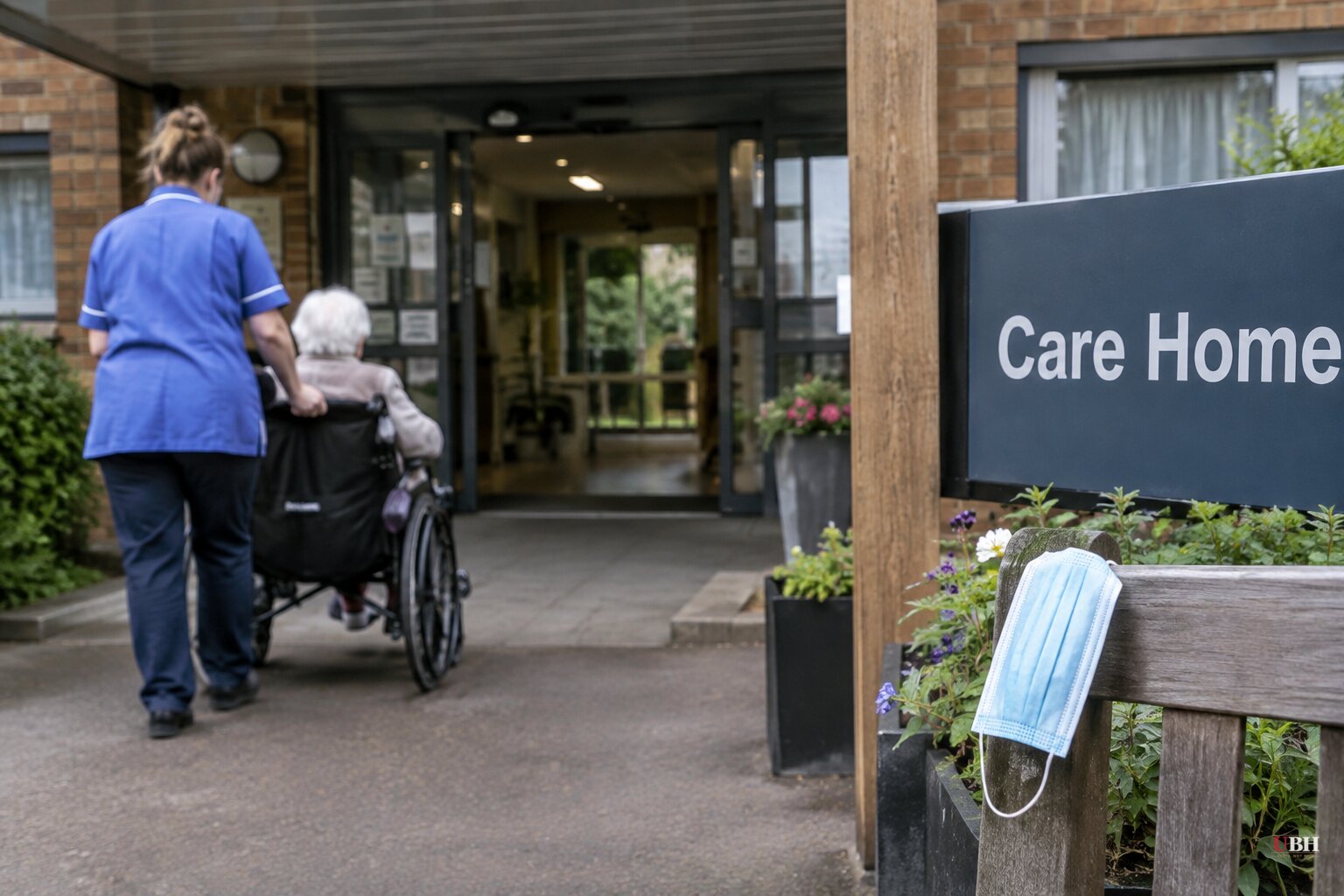
The UK Covid-19 Inquiry has found that care homes were left exposed in the early weeks of the pandemic, and that a claim by then-Health Secretary Matt Hancock that a "protective ring" had been thrown around them was "unfounded."
Baroness Heather Hallett, the inquiry chair, published the report on adult social care today, Tuesday, Oct. 20. It is the sixth of 10 reports the inquiry will issue.
What the report found
Hallett said the care sector "appeared to be something of an afterthought, where the mantra of 'protecting the NHS' sometimes came at the expense of the users and providers of care."
She said the failures "created environments in care settings in which the virus could spread like wildfire."
The numbers are stark. More than 43,000 recorded care home deaths involved Covid-19 between March 2020 and July 2022.
Hallett traced the failures to "an absence of proper pandemic planning for the adult social care sector." The inquiry found the government knew before the pandemic of care home residents' "extreme vulnerability" to respiratory viruses. Exercise Cygnus, a pandemic preparedness exercise held in October 2016, flagged that more work was needed on surge capacity in care homes. That work was not finished when the virus arrived. The report says completing it may have "helped ensure the safe isolation of all people admitted to care homes."
The hospital discharges
Around 25,000 hospital patients were discharged into care homes in England between 17 March and 15 April 2020, to free up NHS beds. Mandatory testing was introduced on 15 April. The High Court later ruled the policy unlawful.
Hallett accepted the discharges were needed to clear hospital capacity. Her criticism was aimed at what the government did not do. It never advised care homes to isolate people arriving from hospital. She called that a "significant omission."
Hancock gave evidence to the inquiry and took responsibility for the decision to discharge untested patients. He described it as the "least worst decision to a terrible problem."
The 'protective ring'
At a Downing Street press conference on May 15, 2020, Hancock said: "Right from the start, we've tried to throw a protective ring around our care homes."
Hallett rejected that. "The claim that a so-called 'protective ring' had been thrown around care homes – 'right from the start' – was unfounded. Quite the opposite was true," she said. She added that in March and early April 2020 "the overriding focus of the UK government and devolved administrations was on protecting hospitals."
Hancock defended the phrase when he testified in 2025, saying he "had to act with the tools that I had and that's what I did." Nicola Brook, a lawyer for bereaved families, told him at the hearing it was "frankly ridiculous and insulting" to claim a protective ring existed "when his department's policies caused Covid to spread like wildfire."
Covid-19 Bereaved Families for Justice UK called the claim a "cruel lie." Spokeswoman Jean Adamson, whose father Aldrick Adamson died after catching Covid in his care home, called the report "a devastating account of one of the darkest episodes in our country's history."
Hancock resigned in 2021 after admitting he broke social distancing guidance by having an affair with a colleague.
Protection and isolation
The report is sharply critical of the lack of personal protective equipment for care home staff, which Hallett described as "wholly unacceptable." Staff were left to improvise with bin bags and waterproof ponchos, according to the report's findings as detailed in the inquiry's account.
Visiting bans drew equal criticism. Hallett said the restrictions caused "immense emotional harm," leaving residents with "profound isolation and a sense of abandonment." They produced a "significant decline" in some people, particularly those with dementia.
Some people were not permitted to be with dying relatives. "Many remain racked by a guilt that they do not deserve to carry," Hallett said.
She welcomed the partial easing of visiting rules in summer 2020 but said the benefits of easing should have been recognised sooner.
Recommendations and what comes next
The report makes eight key recommendations. They include better pandemic planning for social care, financial support so care staff can self-isolate, guidance on visiting restrictions, and better inspection during lockdowns.
The inquiry has now made 55 recommendations in total. It is the most expensive public inquiry in British history, at more than £200 million.
Health Secretary Yvette Cooper told the Commons the government will provide a "full response" to the recommendations "in due course." She agreed with Hallett that social care has been undervalued.
The GMB union's national officer Natalie Grayson said the recommendations "fall short of the root and branch reform our care sector needs," while acknowledging that was outside the inquiry's remit. She said the union looks forward to working with the government to enact them.
No date has been set for the government's response. Four more inquiry reports are still to come.
Sources used for this briefing
7 links from 7 independent newsrooms (syndicated copies of the same report count once)
These are the sources it draws on, linked so you can verify.


