
Original briefings. Zero spin.
Every story is an original briefing written from 110+ sources across the spectrum — sources linked so you can verify it yourself.
 politics
Notable (6/10)
August 28, 2026 at 10:18 PM
politics
Notable (6/10)
August 28, 2026 at 10:18 PM
FBI Drops Automatic Rejection for Job Applicants Who Hired Prostitutes
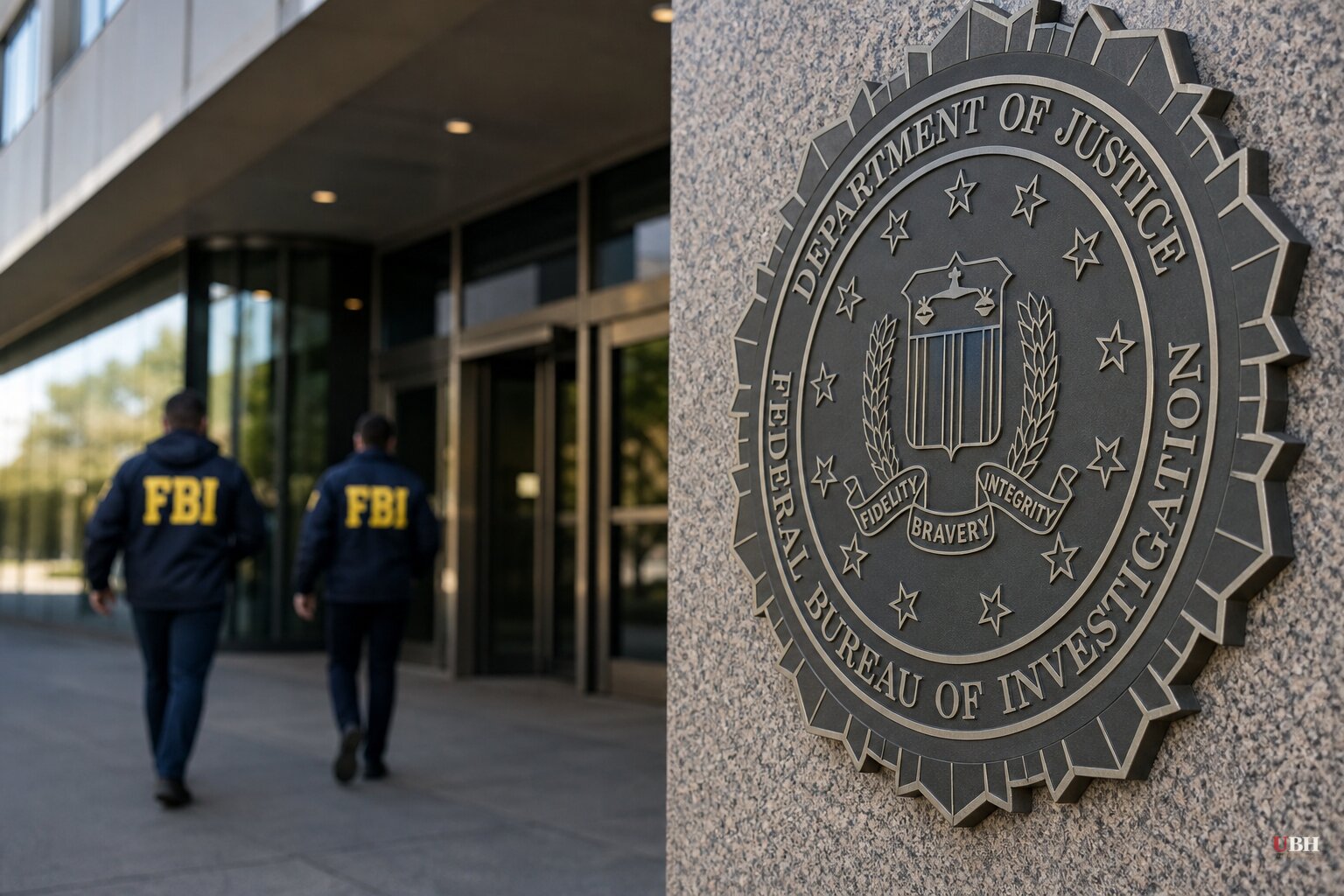
The FBI has quietly rewritten part of its hiring rulebook, ending a long-standing policy that automatically disqualified job applicants who had paid for sex.
The change took effect this past spring, according to guidance described to the Associated Press by a person familiar with the matter who was not authorized to speak publicly. Under the new standard, an applicant's history with prostitution will be weighed "in a more holistic manner" rather than triggering an instant rejection.
There are still hard lines. The FBI will automatically disqualify anyone who solicited a prostitute within the last 10 years, did so three or more times, or was in a "position of trust" at the time, according to the AP. CBS News, citing multiple sources briefed on the changes, reported those trust positions include public safety, education, health, social work, finance, and law. Notably, CBS reported that military service was not listed among those categories, and it's unclear whether service members would be treated as holding a position of trust.
CBS News reported the policy shift goes further than prostitution alone. Under the new rules, an applicant who stole from a past employer is no longer automatically disqualified, as long as the theft happened more than three years ago. And CBS reported the FBI will now consider applicants who engaged in bestiality or animal cruelty, provided the conduct occurred before age 18.
An FBI spokesperson confirmed to CBS News that some eligibility changes have been made, but characterized them as narrow, citing scenarios such as a person who "was sexually abused with animals as a child." The spokesperson told CBS that polygraph and vetting changes reflect "a clear difference between a disqualified applicant who has engaged in criminal behavior, versus an applicant who may be subject to further evaluation based on rare exigent circumstances."
CBS News reported one significant gap in the new standard: it does not distinguish between applicants who were coerced into sexual activity with animals as children and those who engaged in it willingly. That's a distinction worth scrutiny, since the FBI's own justification for the change rests on protecting victims of abuse, not offenders.
On prostitution specifically, the FBI's public statement, provided to the AP, the Independent, the Boston Herald, MyNorthwest, and KSAT 12, pushed back hard on the idea that it's gone soft. "It is false to suggest criminal behavior like this is no longer disqualifying at the FBI," the bureau said. "Any applicant who has engaged in criminal sexual acts like those referenced would of course not be eligible for employment, and it is ridiculous to suggest otherwise." The statement added that the FBI "has and always will maintain some of the highest suitability standards for its applicants and employees in the US Government."
The bureau's stated rationale, per the AP, is twofold: some applicants, including former service members, may have paid for sex in places where prostitution is legal, and some applicants may themselves have been victims of sexual abuse whose history shouldn't be held against them. Those are reasonable, specific carve-outs. Whether the new "three times in ten years" threshold is the right line, or too permissive, is a judgment call the FBI hasn't fully explained.
Not every sexual transaction in a legal foreign jurisdiction, and not every abuse survivor's past, should permanently bar someone from federal service. A blanket lifetime ban treats a soldier who visited a legal brothel overseas the same as someone with a pattern of criminal conduct at home. Context matters.
But the timing raises obvious questions. The AP reported this shift is happening as the FBI faces what it called a "mass personnel exodus" from retirements, resignations, and firings since the start of the Trump administration, a point CBS News also made. The bureau has already made it easier for its own professional staff to become agents and has shortened training academies for applicants transferring from other federal law enforcement agencies, according to the AP.
One unnamed source told the AP and other outlets carrying the wire story, "If they're moving the bar for sexual encounters to include prostitution, what is that saying about the applicant pool? They're trying to bring in more people, which to me indicates that the applicant pool is extremely" limited, though the quote was cut off in available reporting before finishing the thought.
Former FBI agent James Davidson was cited by CBS News as a source with knowledge of internal concerns, though CBS's reporting on his specific comments was incomplete in available material.
This isn't the bureau's first loosening of hiring standards. The AP noted the FBI relaxed its stance on applicants' past marijuana use several years ago, a change that drew far less controversy than this one.
Many applicants with a prostitution history may still get disqualified anyway, either in the initial review or later during polygraph testing and security vetting. The AP reported the FBI hasn't released data on how many candidates the old ban was actually screening out, or how many are expected to clear the bureau's process under the new standard. Without that number, it's impossible to say whether this is a meaningful shift in who gets hired, or a technical adjustment to a screening question that rarely mattered in practice.
The Justice Department has not announced any related changes to hiring standards at other agencies, and no congressional oversight hearing on the FBI's revised vetting criteria has been scheduled as of this reporting.
Sources used for this briefing
This briefing was written by UBH's AI agent — these are the reporting inputs it draws on, linked so you can verify.


