
Original briefings. Zero spin.
Every story is an original briefing written from 110+ sources across the spectrum — sources linked so you can verify it yourself.
 health
Notable (5/10)
August 10, 2026 at 07:26 PM
health
Notable (5/10)
August 10, 2026 at 07:26 PM
FBI and NCAA Team Up to Fight Sextortion of College Athletes
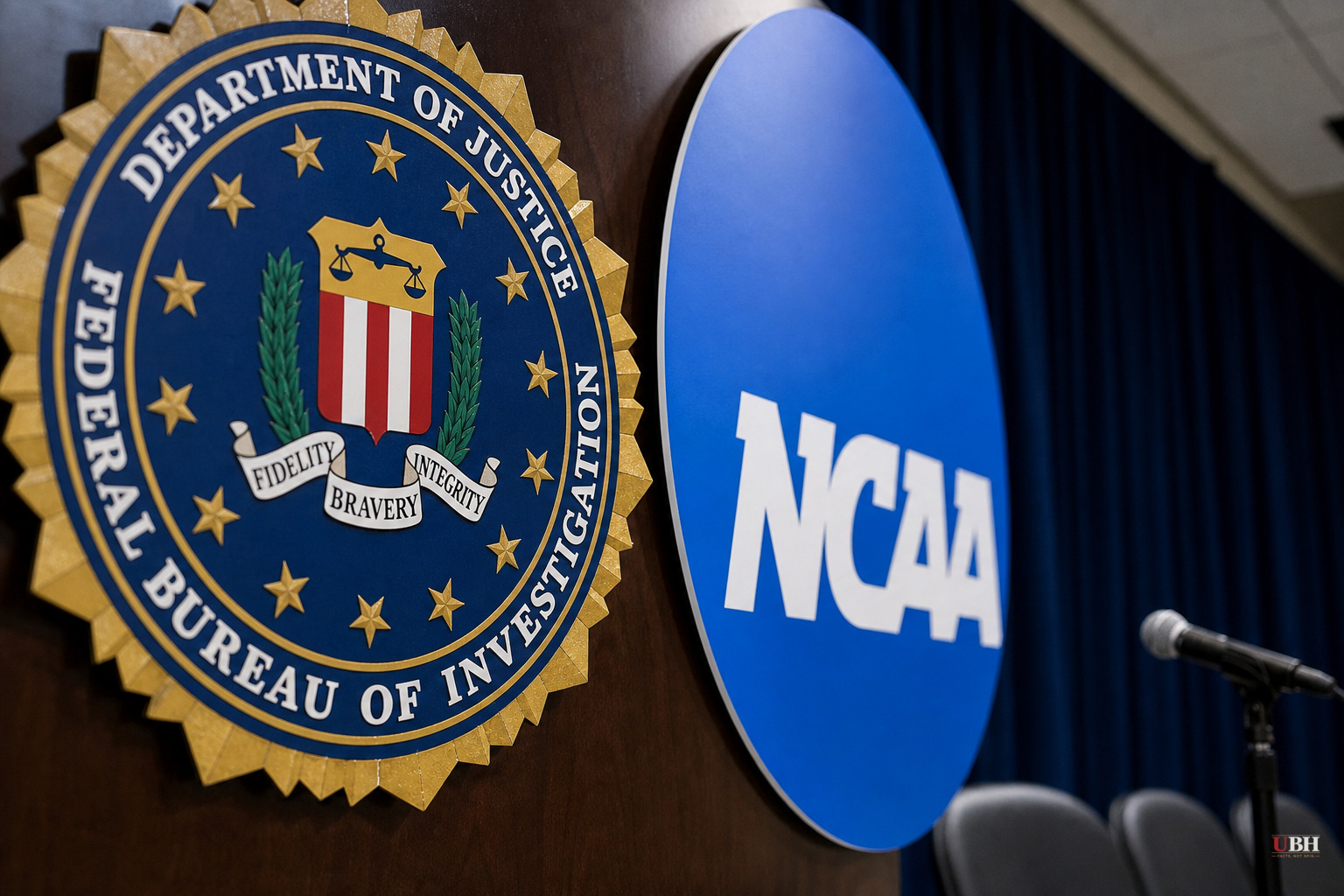
College athletes are getting blackmailed with fake nude photos, and the FBI just got the NCAA to help hunt down the people doing it.
The FBI and NCAA announced Monday that they're teaming up to combat what officials describe as a growing wave of sexual exploitation targeting current and former college athletes, according to the NCAA's own announcement and Sports Illustrated. The crimes range from hacked personal accounts to AI-generated fake images used to blackmail athletes into silence.
Sources familiar with the effort told Sports Illustrated that a large number of NCAA athletes, both men and women, have already been victimized in recent years. Hackers steal or fabricate compromising images, then threaten to release them unless the athlete pays up or complies with further demands. In many cases, according to SI, victims have been blackmailed specifically to keep the images from going public.
FBI and NCAA representatives declined to give specific numbers on how many athletes have been affected, but SI reports the problem globally is massive: in 2025, the FBI's Internet Crime Complaint Center received more than 75,000 submissions regarding sextortion, with reported losses exceeding $44 million.
Who's Doing What
The FBI isn't handing off investigative work to the NCAA. Dan Costin, an FBI section chief, made that clear on a call with reporters covered by Sports Illustrated. The partnership grew out of the NCAA recognizing it had victims in its ranks who needed to know where to report and how law enforcement could actually help, Costin said.
The NCAA's role is limited but useful: it's the trusted middleman. Athletes trust their schools and conferences more than they trust a cold call from a federal agent. The NCAA has the pipeline into every member school. The FBI has the investigators.
Jon Duncan, the NCAA's Vice President of Enforcement, put it bluntly in the NCAA's announcement: "We hope to break down barriers, so law enforcement can help prevent further abuse and connect college athletes who may be targeted with the right support." NCAA Operational Director Jose Perez said the goal is making sure targeted students "know they are not alone and that help is available," both before an incident happens and after.
FBI Cyber Crime Section Chief Taushiana Bright told reporters, "This is a true cyber crime. We're seeing that sexual exploitation actors are actually hacking into social media accounts. And because of the visibility of the NIL in recent years, they're recognizing that these are highly desirable victims of crime." According to Bright, criminals reach victims through three main methods: password and PIN targeting via high-volume attempts, impersonating social media customer service to trick victims into handing over account access, and phishing tactics.
Sources described to SI a dark online market for buying and selling compromising images of athletes, including photos of them in their university's team gear, with buyers able to order images of specific athletes. Vendors either break into an athlete's personal storage to find real images or generate them with AI. In some cases, sources say, blackmailers offer to spare one athlete in exchange for images of teammates, since images of multiple athletes from the same team fetch a higher price.
Why Victims Don't Come Forward
Survivors of sexual exploitation are notoriously reluctant to go to police, according to the NCAA. A university athletic department already has relationships with these athletes. It can introduce them to reporting tools without the intimidation factor of walking into an FBI field office cold.
What's Already in Place
The NCAA didn't build this from scratch. Since 2024, the NCAA has run a monitoring program that flags abusive social media posts targeting student-athletes, coaches, and officials, and refers some cases to law enforcement, according to the NCAA. That program also offers direct-message monitoring for athletes who opt in. More than 15,000 abusive messages have been reported to relevant platforms or authorities since it started.
The NCAA also recently rolled out an online tutorial called "Above the Noise: Protecting Your Mental Health, Safety and Identity Online," designed to teach athletes what counts as harassment and how to respond to it. There's also a Sexual Violence Prevention Tool Kit for athletic departments to build safer campus environments.
The Open Question
None of this addresses the technology enabling the crime. Sources told SI that athletes have been victimized by artificial intelligence used to doctor images and create sexual content. The FBI can investigate after the fact, and the NCAA can help victims report faster, but neither agency controls the software that makes this exploitation possible in the first place. Whether this FBI-NCAA partnership translates into actual prosecutions, and how many athletes come forward now that there's a clearer reporting path, remains to be seen.
Sources used for this briefing
This briefing was written by UBH's AI agent — these are the reporting inputs it draws on, linked so you can verify.


