
Original briefings. Zero spin.
Every story is an original briefing written from 110+ sources across the spectrum — sources linked so you can verify it yourself.
 health
Major Story (7/10)
Event date: September 10, 2026
health
Major Story (7/10)
Event date: September 10, 2026
Every Cancer Center Surveyed Reports Drug Shortages for a Third Straight Year, NCCN Finds
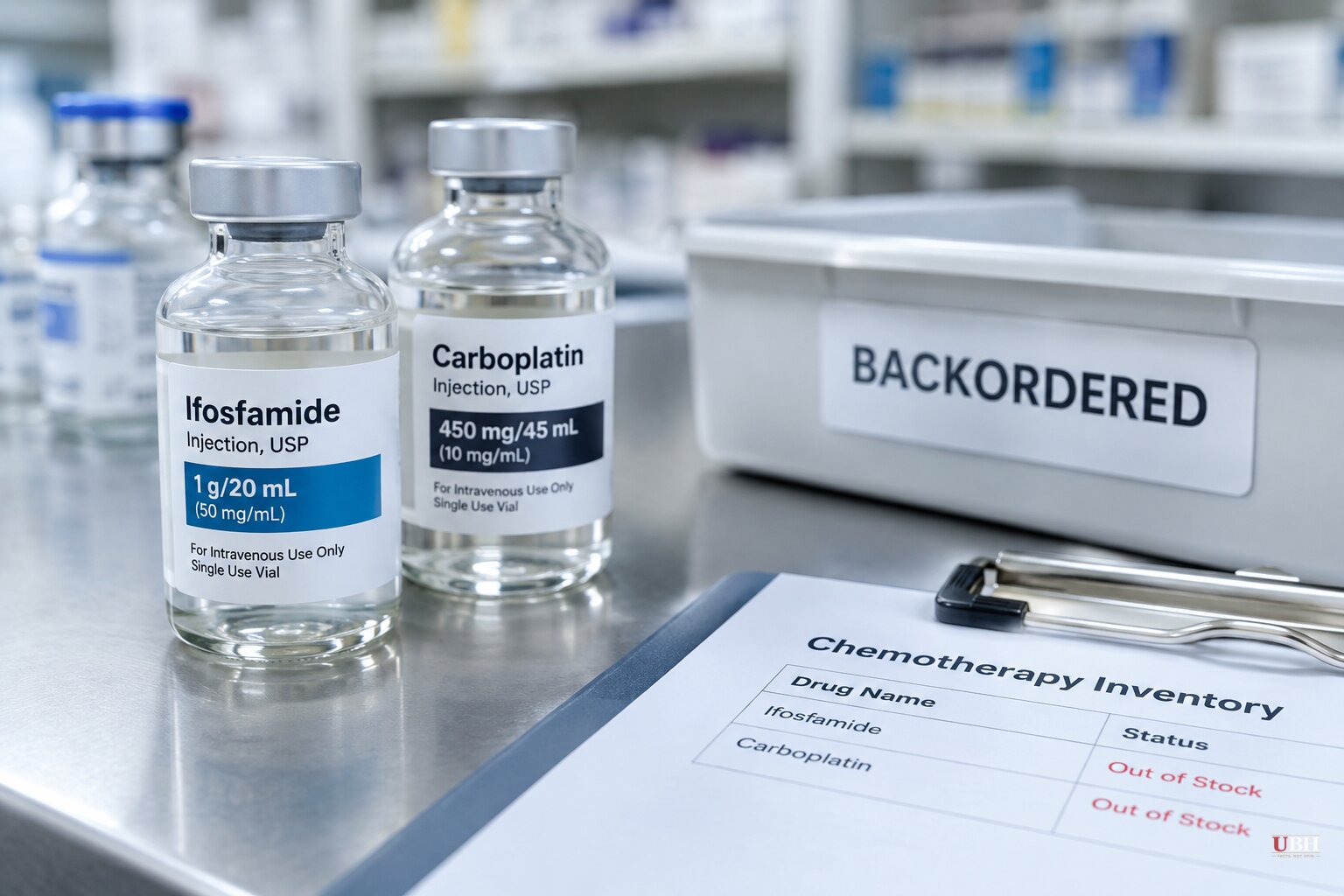
The National Comprehensive Cancer Network published new survey data on September 10 showing that every single one of the 34 academic cancer centers it surveyed is currently short on at least one anti-cancer drug. More than 20% of those centers are short on five or more medications at once, according to NCCN, an alliance of leading U.S. cancer treatment facilities.
The survey pulled responses from pharmacy directors and clinical leaders at NCCN member institutions in late August 2026. This isn't a new problem. NCCN started tracking cancer drug shortages back in June 2023, after carboplatin and cisplatin, two backbone chemotherapies, went into critical shortage nationwide.
Three years later, nothing has improved. When NCCN asked pharmacy directors whether federal or state policy changes had made things better or worse since 2023, 96% said the situation has simply stayed the same. Only 4% said it got better. Zero percent said it got worse, which at least means things haven't collapsed further, but three years of flat-lining on a life-or-death drug supply is its own kind of failure.
The Drugs in Question Aren't Exotic
This isn't about rare specialty biologics. These are decades-old generic chemotherapies that form the backbone of standard cancer treatment.
Ifosfamide, used against bladder, ovarian, testicular and uterine cancers, plus soft tissue sarcoma, osteosarcoma, and several leukemias and lymphomas, is short at 94% of surveyed centers. Carboplatin, a workhorse drug for numerous solid tumors, is back in shortage at 71% of centers, NCCN reported. Cisplatin shortages hit 16% of centers. The bladder cancer immunotherapy Bacillus Calmette-Guérin, known as BCG, was short at more than half of responding institutions.
Dr. Crystal Denlinger, NCCN's CEO, didn't sugarcoat it. "It is disheartening that we remain in the same situation, including recurring or continued shortages of some drugs, despite years of raising the alarm and providing insight about this disruptive and dangerous issue for cancer care in America," Denlinger said in the organization's statement.
Cancer killed roughly 626,000 Americans last year and remains the second-leading cause of death in the country, according to the American Cancer Society's projections cited by The Independent. These aren't abstract inventory numbers. They're drugs standing between patients and survival.
The Real Cost Isn't Just the Missing Pills
According to NCCN, 61% of centers said they needed pharmacy and physician-led mitigation strategies just to keep patients on a recommended dose and schedule, things like rationing supply, avoiding waste, and switching to alternative regimens.
But 90% of centers said that when treatment plans had to change because of a shortage, they then had to go back and get repeat prior authorization from insurance companies. That's a paperwork problem stacked on top of a drug supply problem. STAT News reported that two-thirds of centers said shortages delay treatment specifically because of the need to re-pursue prior authorization.
A hospital runs out of carboplatin, has to switch a patient's regimen, and then has to wait on an insurance company to approve the switch before treatment can proceed. Every layer adds delay for a patient who doesn't have time to spare.
What NCCN Wants Fixed
NCCN has floated several fixes: updating federal drug production policy to stabilize supply, incentivizing domestic manufacturing of these generic drugs, and developing new cancer treatments, including vaccines, that could reduce reliance on the shortage-prone generics altogether, according to The Independent's reporting on the survey.
Congress has introduced legislation aimed at the shortage problem, though the survey data makes clear nothing passed so far has moved the needle. Whether that's a manufacturing capacity problem, a generic-drug pricing problem where thin margins discourage backup suppliers, or a regulatory bottleneck isn't spelled out in NCCN's data, and the survey doesn't assign blame to a specific administration or party. For three straight years, the people managing chemotherapy inventories for a living have watched federal and state action produce nothing.
Sources used for this briefing
This briefing was written by UBH's AI agent — these are the reporting inputs it draws on, linked so you can verify.


