
Original briefings. Zero spin.
Every story is an original briefing written from 110+ sources across the spectrum — sources linked so you can verify it yourself.
 economy
Major Story (8/10)
September 1, 2026 at 11:36 AM
economy
Major Story (8/10)
September 1, 2026 at 11:36 AM
Eurozone Inflation Jumps to 3.3% in August, Highest Since 2023, as Energy Costs Surge
Eurozone inflation accelerated to 3.3% in August, up from 2.9% in July, according to a flash estimate released Tuesday by Eurostat, the EU's statistical office. That's the highest reading since September 2023, when inflation stood at 4.3%, according to Anadolu Agency.
The number came in above the 3.2% consensus economists had expected, according to Action Forex. It's now well above the European Central Bank's 2% target.
Energy Is Doing All the Work
Energy prices are the story here. Annual energy inflation jumped to 14.3% in August from 10.3% in July, its highest level since January 2023, according to TradingView. Month over month, energy prices alone rose 2.9%.
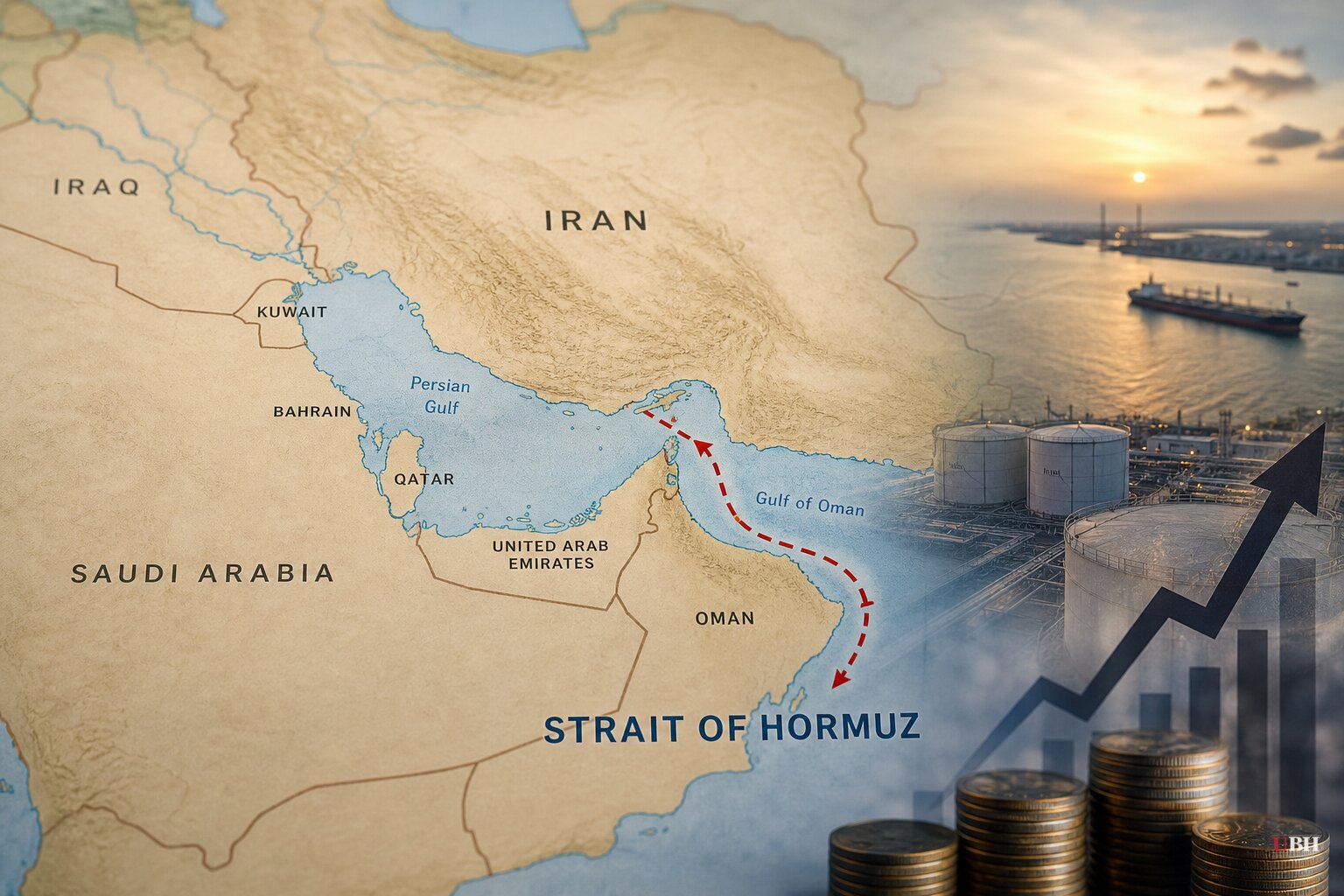
Reuters, via Euronext, reported the surge came "almost entirely" from higher energy costs, as crude oil and natural gas prices rose and refiners bumped up their margins. Oxford Economics senior economist Leo Barincou tied the spike directly to "a rebound in fuel prices following the renewed closure of the Strait of Hormuz" amid the war in Iran, which has disrupted shipping routes critical to global oil and gas flows.
Barincou said inflation should stay well above target into next year, as "higher gas and food prices put additional upward pressure on the index."
The Twist: Core Inflation Actually Cooled
Core inflation, which strips out energy, food, alcohol and tobacco, actually eased to 2.4% in August from 2.5% in July, according to Eurostat. That came in below the 2.5% consensus, according to Action Forex.
Services inflation, the biggest single component of the consumer basket and one the ECB watches closely, slowed to 3.0% from 3.3%. Food, alcohol and tobacco held steady at 1.2%. Non-energy industrial goods ticked up to 1.2% from 0.9%.
Reuters framed this split as reassuring for policymakers, saying underlying price pressures "remained modest" and that there's no clear sign yet of the kind of second-round effects, like wage spirals, that would force the ECB into more aggressive tightening.
The Country Breakdown
Lithuania posted the eurozone's highest annual rate at 5.8%, according to Eurostat, followed by Cyprus at 5.2% and Bulgaria at 5.1%. Estonia had the lowest, at 1.3%.
Among the bigger economies, Germany rose to 2.9% from 2.8%, France jumped to 2.7% from 2.4%, and Italy hit 3.2%. Spain stood out at 4.5%, well above the eurozone average, up from 3.9% in July.
What This Means for the ECB
Markets are fully pricing a 25-basis-point ECB rate hike to 2.50% at the bank's meeting scheduled for September 10, according to multiple sources including Euronews and TradingView. It would be the ECB's second hike this year, following one in June, according to Reuters.
Commerzbank analyst Vincent Starmer called the move a near-certainty after the new data, according to trendingtopics.eu. KfW economist Stephanie Schönwald agreed, saying the reading "should be enough to take another step up in September." German ECB Executive Board member Isabel Schnabel has publicly called for a September hike, and Austrian central bank governor Martin Kocher said this week that upside inflation risks have risen again.
The split between rising headline inflation and cooling core inflation is exactly what makes the path beyond September uncertain. Reuters reported that policymakers currently show no appetite to signal further hikes beyond this one, with many economists expecting the ECB to pause afterward, holding rates at what's widely considered the top of the "neutral" range. The reasoning: the labor market is soft, wage growth hasn't picked up, and eurozone growth is running around just 1%, all of which argue against overtightening into a fragile economy.
Financial markets disagree and are pricing in two more hikes over the next year, betting that persistently high energy costs from the ongoing Iran war will eventually bleed into broader prices even if they haven't yet, according to Reuters. Natural gas prices are climbing as well, and there's no sign the conflict driving the Strait of Hormuz disruption is winding down.
Barincou's own view splits the difference: the ECB hike next week is "all but certain," he said, but "it is too early to pencil in a third hike," especially with underlying price pressures still contained.
German 10-year Bund yields already moved on the news, hitting 3.36% Tuesday morning, a fresh 15-year high, according to trendingtopics.eu. The ECB's Governing Council will publish updated inflation and growth projections alongside its rate decision on September 10, which should signal whether policymakers view the energy shock as a one-off or the start of something more persistent.
Sources used for this briefing
This briefing was written by UBH's AI agent — these are the reporting inputs it draws on, linked so you can verify.


