
Unbiased headlines. Facts, not spin.
Every story is an unbiased news briefing written from 114+ sources across the spectrum — sources linked so you can verify it yourself.
 politics
Major Story (8/10)
October 12, 2026 at 11:06 AM
politics
Major Story (8/10)
October 12, 2026 at 11:06 AM
EU Foreign Ministers Say Russia Sanctions Stay After Trump-Putin Diesel Deal
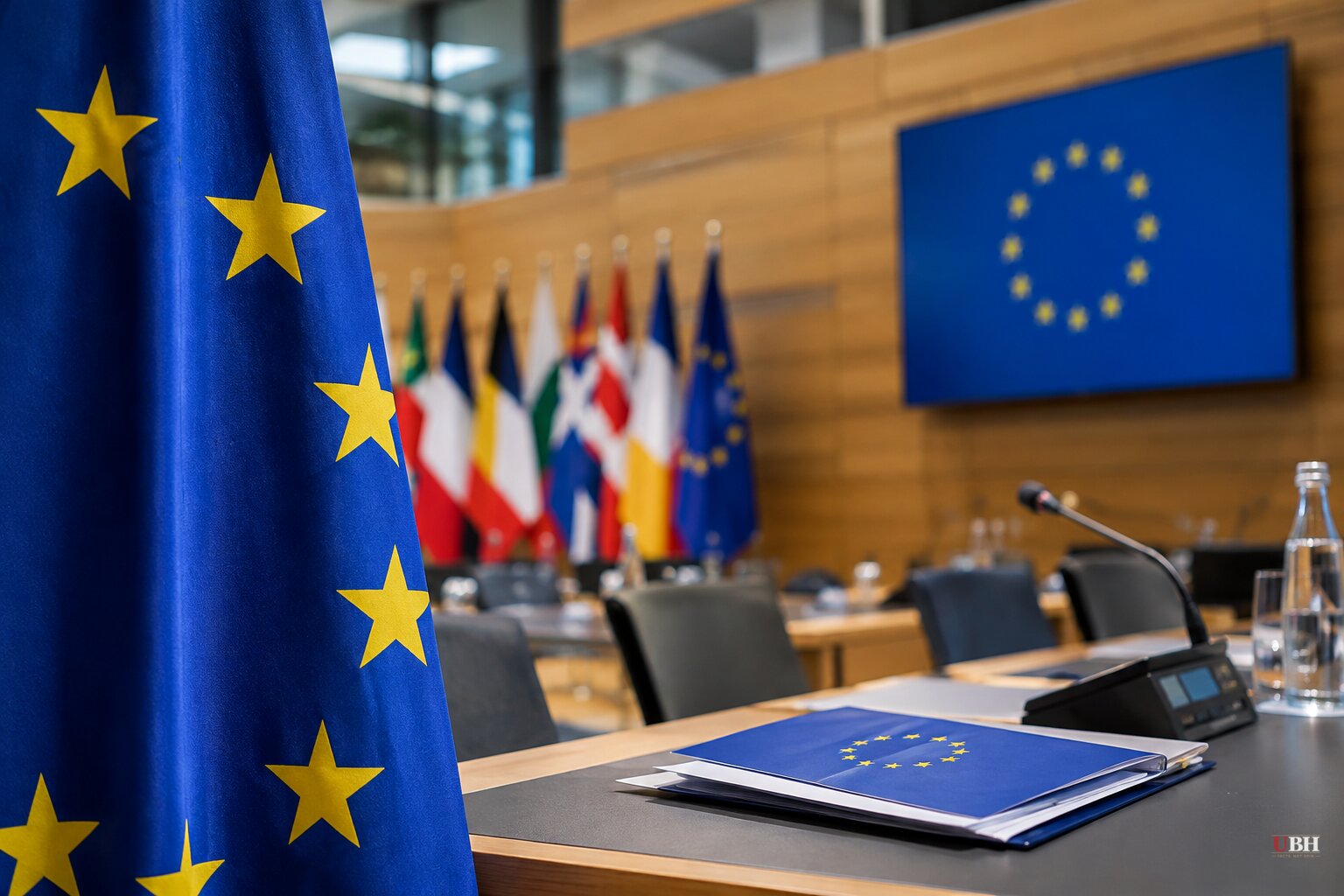
Since Trump announced a diesel arrangement with Vladimir Putin on Friday, Oct. 9, the fight has moved from Washington to Europe. On Monday, Oct. 12, EU foreign ministers meeting in Luxembourg said the bloc's sanctions on Russia are not going anywhere.
What Trump announced
In a Truth Social post, Trump said Russia will immediately supply more than 300,000 tons of diesel to the American and global market. Another 500,000 tons would follow in November and 1,000,000 tons after that. He added that up to 3,000,000 more tons could come, depending on the condition of Russian refineries.
Washington issued a broad waiver on sanctions covering Russian diesel through April 2027 to make it work. U.S. diesel is near a record of roughly $6.50 a gallon, with midterm elections in November.
Trump framed the deal around prices for American farmers, ranchers and truckers. He also argued that Ukraine's drone strikes on Russian refineries are a problem for the world. "Don't hit the refineries because that's a world problem," he said, before saying Ukraine should "get a new leader."
On Oct. 11, Trump declared an "ENERGY CEASEFIRE" between Russia and Ukraine, saying both sides had agreed. Volodymyr Zelenskyy said Kyiv supports the initiative and is waiting for details from Washington. There was no immediate confirmation from Moscow. Trump announced a similar energy truce on Sept. 14, and Russian strikes continued.
Europe's answer
EU foreign policy chief Kaja Kallas said the U.S. is "our biggest ally," but that ending the war requires "putting more pressure on Russia." She urged the White House to enforce the Graham sanctions bill, saying that with it "we could really put the pressure so that Russia will finish this war."
The ministers also adopted the largest single sanctions listing the EU has ever approved. It covers more than 1,600 people and entities accused of propping up Russia's war, and more than half are tied to ballistic missile production.
Ireland's Helen McEntee called the diesel deal "concerning." She said the priority is to keep pressure on Moscow while preserving channels with Washington, because the goal "is not going to be achievable without the support of the US."
Sweden's Maria Malmer Stenergard was blunter. "I very much regret this. I hope it will not go into force," she said, and urged using frozen Russian assets to boost support for Ukraine.
In Berlin, government spokesman Stefan Kornelius said Germany stands "firmly by the sanctions against Russia." A spokesperson for the economy ministry added that Germany has imported no Russian oil or petroleum products since EU sanctions began in 2023. German European Affairs Minister Gunther Krichbaum called the Trump deal "not our way." Canadian Prime Minister Mark Carney said it stands "in direct opposition to the efforts of Ukraine, Canada, and our allies."
The EU's own record
Some Baltic ministers pointed the finger at Brussels. Latvia's Baiba Braze said the EU should "hold a mirror to itself" before criticizing others. She cited the Sept. 21 decision to delist oligarchs Alisher Usmanov and Mikhail Fridman, which Slovakia, Luxembourg and France pushed for.
Lithuania's Kestutis Budrys said that after the delisting, Russia "escalated, both in Ukraine and now in Europe." Belgium's Maxime Prevot said Belgium regrets the withdrawal of the two names. Belgium, Estonia, Latvia and Lithuania are the only countries known to have abstained from that vote.
Will it move prices?
Estonia's Margus Tsahkna doubted the deal will change much. "I don't think that in real life this diesel deal is actually going to change anything," he said, tying it to the U.S. midterms.
The numbers back up the skepticism. Estonian analyst and former intelligence chief Eerik-Niiles Kross, writing in an opinion piece, calculated that the U.S. uses about 16 million metric tons of diesel a month. The first 300,000-ton tranche is under 2 percent of that, and November's 500,000 tons is about 3 percent. The full 4.8 million promised tons would equal roughly 30 percent of one month's U.S. consumption, with no delivery deadline set.
Kross also argued that the fuel may not be new supply. If Russia simply redirects fuel from existing customers, global supply doesn't grow at all.
A bigger question is whether Russia has the diesel to send. Russia suspended all diesel exports earlier this month after Ukrainian drone strikes on refineries produced domestic shortages and production cuts. Zelenskyy called the U.S. waiver a "weak decision by a strong partner" that provides "extra money for this war."
What comes next
The Lindsey O. Graham Sanctioning Russia and Iran Act of 2026, which Trump signed last month, takes effect Oct. 19. It directs tariffs of up to 500 percent on Russian goods and allows secondary sanctions on countries buying Russian fuel. Many of its provisions can be waived by the president. Whether Trump applies it or waives it a week from now, while a diesel waiver runs to April 2027, is the open question that will decide how much the EU's pressure matters.
Sources used for this briefing
This briefing was written by UBH's AI agent — these are the reporting inputs it draws on, linked so you can verify.


