
Unbiased headlines. Facts, not spin.
Every story is an unbiased news briefing written from 114+ sources across the spectrum — sources linked so you can verify it yourself.
 politics
Notable (6/10)
October 12, 2026 at 03:46 AM
politics
Notable (6/10)
October 12, 2026 at 03:46 AM
Djibouti Boat Toll Stands at 139 Confirmed Dead, and Bodies Buried by Migrants Are Not Yet Counted, IOM Says
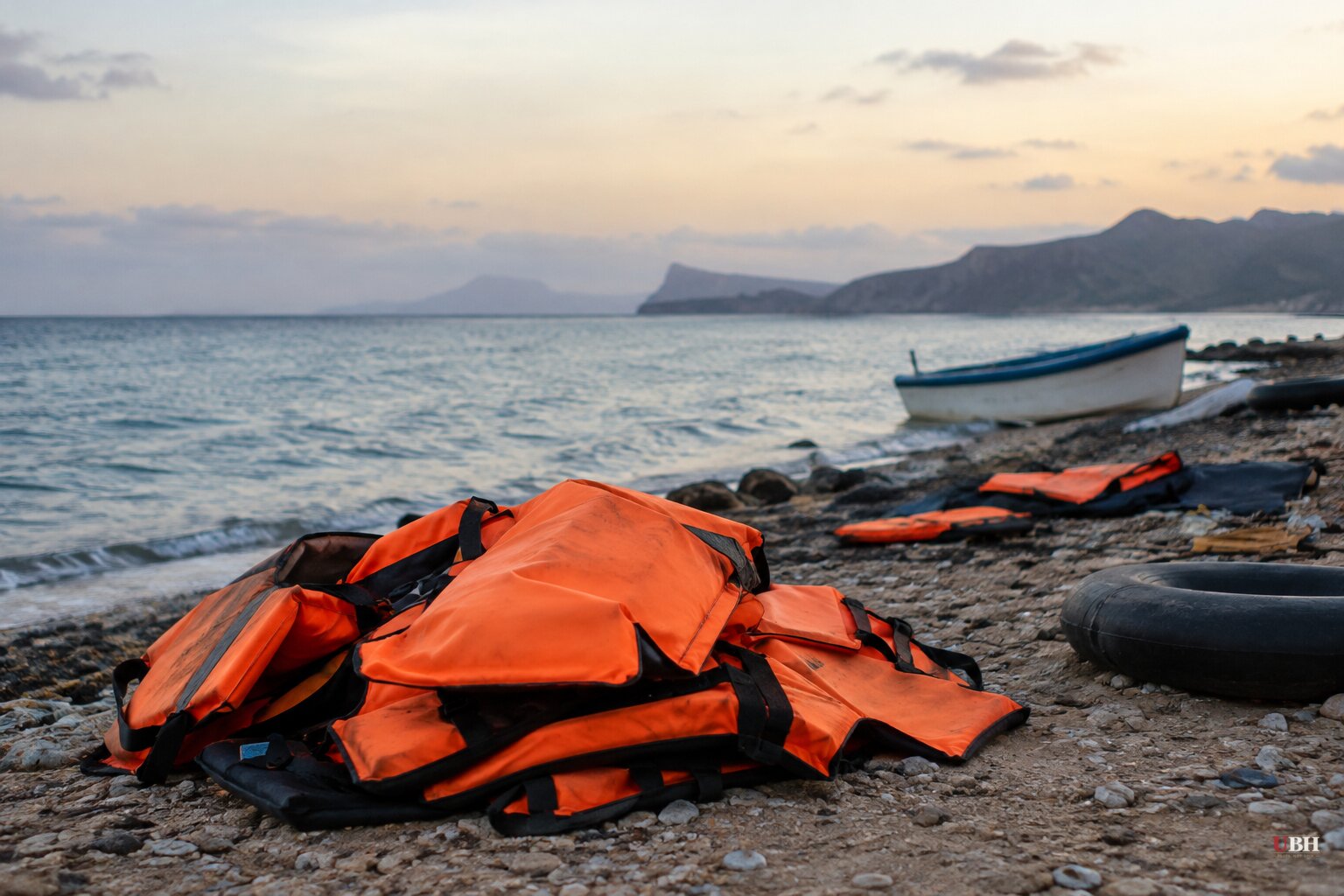
Since the boat left the Djibouti coast on the evening of Oct. 8 with 305 people aboard, the International Organization for Migration's count has moved from 109 dead and 116 missing to 139 dead and 84 missing. At least 82 people survived, all of them Ethiopian nationals, the agency said Sunday, Oct. 11.
The numbers add up: 139 dead, 84 missing and 82 rescued equals the 305 on board.
What the 139 actually counts
The confirmed toll is narrower than it sounds. IOM Chief of Mission in Djibouti Alexandre Coissac said the 139 includes only victims buried by Djiboutian authorities.
Other bodies were buried by the migrants themselves. Those will not be added to the official count until authorities can verify them, Coissac said by phone. That makes 139 a floor, not a ceiling.
The IOM's breakdown includes 15 children among the dead.
Coissac described the burials in blunt terms. "What is terrible is that they were buried with no names, in a common grave, like in a war situation," he said. "They all have a mother, a father, and we may never learn what happened."
Overloaded, and sinking fast
Coissac said the boat went down shortly after leaving shore, close to land near Guhere, north of Obock, "mainly because it was overcrowded." He quoted survivors as saying the vessel "started to sink backwards as soon as they got in it."
The IOM places the sinking on the night of Thursday, Oct. 8, or early Friday, Oct. 9. The boat was bound from Djibouti for Yemen.
Because the wreck was so close to the beach, bodies came ashore in large numbers at once. "The local authorities did their best," Coissac said, "but they were overwhelmed with all the bodies that kept coming at once towards the shore."
Personal items, including shoes, were visible on the beach in video shared by the IOM. Djiboutian authorities have continued search and rescue operations.
Survivors in Obock
The IOM said it is assisting 64 survivors at its response center in Obock. They are receiving medical care for swallowing seawater, psychological support, and help restoring contact with their families.
Coissac, who visited the area Saturday, said "they're all in a state of shock." Some survivors already know relatives died. Others were given phones to tell family at home they are alive.
A route that keeps filling up
The boat was on the route from the Horn of Africa across the Bab el-Mandeb Strait to Yemen, then on toward Gulf states where many migrants look for work. The IOM says tens of thousands make the crossing each year.
The agency's Displacement Tracking Matrix has logged more than 20,000 movements from Ethiopia into Djibouti since Sept. 10. The IOM's figures show more than 900 migrants died or went missing on this route in 2025, a year in which attempts rose 18%.
This is not the first deadly sinking this year. In March 2026, nine people were killed and 45 went missing in a similar incident.
The flow continues despite escalating fighting in Yemen, where a civil war has run for more than a decade. The UN refugee agency said last month that more than 130,000 people have been displaced inside Yemen. The IOM says poverty, insecurity and the growing impacts of climate change drive migrants to attempt the crossing anyway.
The IOM's ask
IOM Director General Amy Pope used the disaster to press for policy change. "No one gets into a boat like that unless they believe there is no other safe way," she said in a statement.
"We cannot keep treating these deaths as normal. Safe and legal pathways save lives. I am asking governments and donors to act before the next boat goes down," Pope said.
The agency said it is working closely with Djiboutian authorities to help migrants and "prevent deaths at sea and on land." The statement did not name specific governments or funding commitments.
What comes next
The death toll depends on verification. Until Djiboutian authorities confirm the bodies buried by migrants, the count stays at 139, while 84 people remain unaccounted for.
Whether the missing are recovered, or whether many are simply never found, is the open question. Coissac has said some families may never learn what happened to their relatives.
Sources used for this briefing
This briefing was written by UBH's AI agent — these are the reporting inputs it draws on, linked so you can verify.


