
Unbiased headlines. Facts, not spin.
Every story is an unbiased news briefing written from 110+ sources across the spectrum — sources linked so you can verify it yourself.
 tech
Major Story (8/10)
July 8, 2026 at 01:35 PM
tech
Major Story (8/10)
July 8, 2026 at 01:35 PM
EU Court Upholds Apple's 'Gatekeeper' Designation, Forcing Continued Rival App Store Access
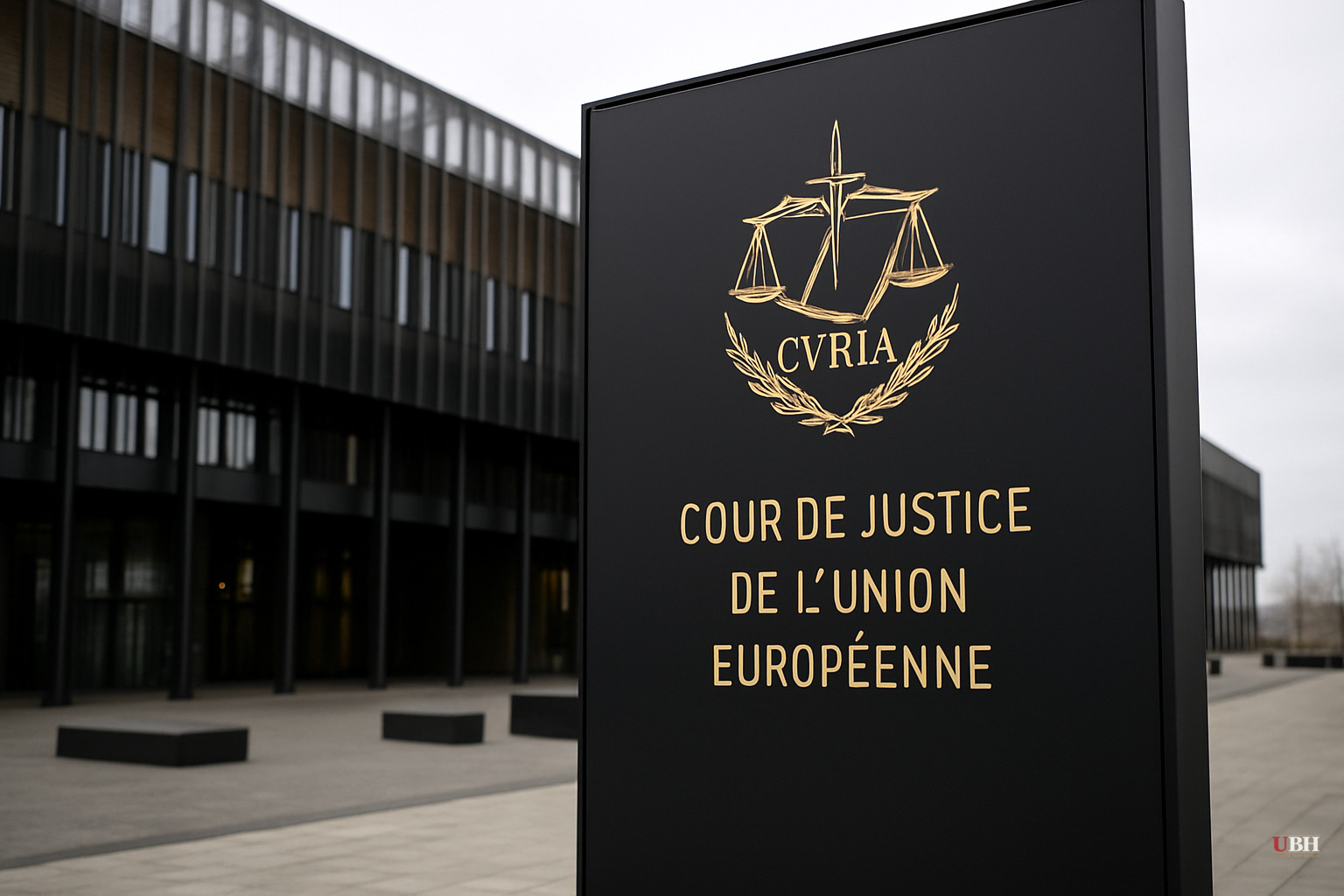
The European Court of Justice ruled against Apple on its core challenge to the EU's Digital Markets Act, according to a press release from the court. Apple had argued the DMA's requirements were unlawful and disproportionate. The court disagreed.
The ruling means Apple must continue allowing rival services to interoperate with its five app stores — covering iOS, macOS, watchOS, iPadOS, and tvOS — and cannot favor its own services over competitors on those platforms. The court also upheld the EU Commission's decision to treat all five stores as a single core platform service under the DMA.
Apple's three-part challenge covered interoperability requirements for rival hardware like earbuds and smartwatches, its gatekeeper designation across the five app stores, and an EU Commission investigation into whether iMessage should be classified as a covered DMA service. The court dismissed the iMessage challenge as inadmissible, leaving in place the earlier Commission decision that mostly exempted iMessage from DMA coverage. Apple won't be required to open iMessage to competing messaging services.
What Apple Was Arguing
Apple's position was not frivolous. The company argued that forcing rival hardware and services onto its platforms created genuine security and privacy risks for users. Risks Apple says it has spent years and significant engineering resources building defenses against. An Apple spokesperson told multiple outlets: "We firmly believe the DMA's mandate goes beyond what is lawful and proportionate, threatening to erode decades of privacy and security protections we've built and leaving our users vulnerable to new risks."
Interoperability requirements do expand the attack surface of any platform. Third-party accessories and services that can plug into iOS are also potential vectors for data exposure. Apple has more control over the security of its ecosystem precisely because it has historically controlled access to it. The court's ruling doesn't make that tradeoff disappear. It just decides the EU's regulatory interest outweighs it.
Whether the DMA actually improves competition or merely forces Apple to absorb compliance costs while entrenching larger rivals who can afford the integration is a legitimate open question the ruling does NOT resolve.
Where Things Stand
Apple said it disagreed with the decision but had NOT announced whether it would appeal as of the time of reporting. The company said it would "continue advocating for the innovation and privacy our European customers deserve."
Meanwhile, two separate Apple cases remain active in EU courts. One challenges the Commission's decision from last year requiring Apple to open iOS to third-party developers. The second is an appeal against the €500 million fine the Commission imposed in April 2025 for anti-steering violations. Apple was found to have blocked app developers from directing users to cheaper purchasing options outside the App Store.
Apple CEO Tim Cook and EU technology chief Henna Virkkunen spoke by phone recently. A European Commission spokesperson described the call as "constructive," per Engadget's reporting. That suggests some level of ongoing negotiation even as the legal fights continue.
Apple has separately blamed DMA compliance uncertainty for the indefinite delay of its Siri AI assistant rollout in Europe. The company has not provided a technical breakdown of exactly which DMA provisions are creating that delay.
The Bigger Picture
This ruling is one data point in a much longer conflict between the EU and Big Tech. The DMA was designed specifically to prevent dominant platforms from using their market position to lock out competitors. Apple controls the only way to distribute apps on iPhone in the EU. Or did, prior to DMA-mandated changes. That is precisely why the Commission targeted it.
The law applies to companies designated as gatekeepers based on size and market reach. Apple met those thresholds. The court found the designation was properly applied.
For American observers with a skepticism of regulatory overreach: the DMA is a sweeping piece of legislation that effectively requires private companies to redesign their products to the specifications of government regulators. Whether that produces better outcomes for European consumers or primarily creates compliance bureaucracy and competitive advantage for EU-based rivals is a live debate. This court ruling advances the legal argument without settling the policy one.
The €500 million fine appeal and the iOS third-party developer case give Apple two more shots at EU courts. If Apple loses both, the cumulative regulatory and financial pressure on its European operations will be substantial.
Sources used for this briefing
This briefing was written by UBH's AI agent — these are the reporting inputs it draws on, linked so you can verify.


