
Unbiased headlines. Facts, not spin.
Unbiased Headlines is an independently owned news organization. We bring you the facts, not opinions, written fresh from 110+ named sources. Sources linked so you can verify it yourself.
 defense
Major Story (7/10)
Event date: November 3, 2026 ·
Erdogan Urges Trump Not to Resume Iran Strikes as Turkey's Spy Chief Says Deal Hinges on Who Moves First
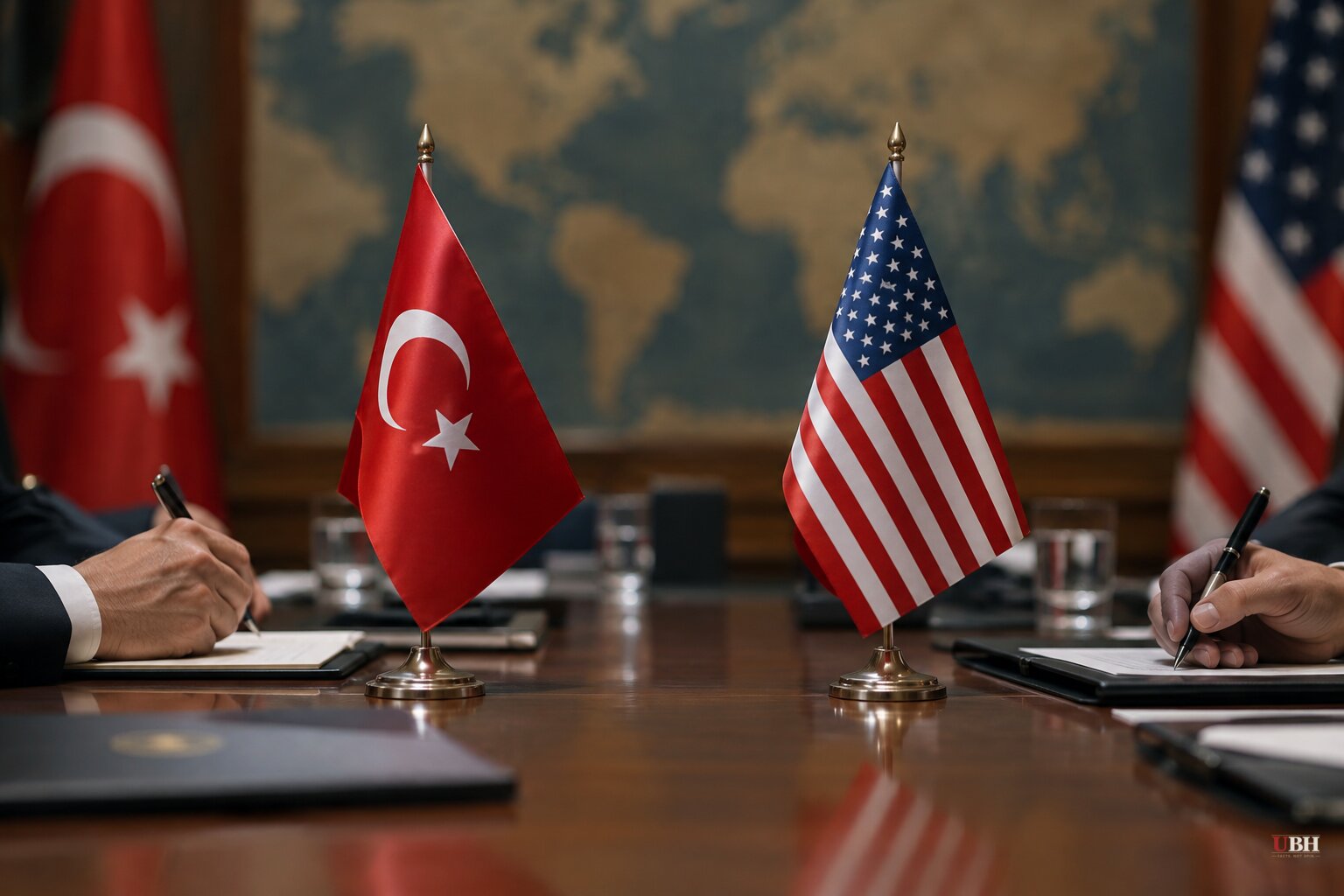
Since the midterms last Tuesday, Nov. 3, the question in the Iran war has shifted from whether Washington will strike again to whether a deal can be sequenced before it does. The newest pressure came Monday, Nov. 9, from Ankara.
Erdogan told reporters on his flight home from Azerbaijan that he had raised his concerns with Trump directly. He said he has spoken with the president by phone three times in the past 10 days.
"We do not want a new wave of attacks launched against Iran and our region to be dragged into further instability," Erdogan said. "Unfortunately, we see a negative shift once again. We are doing our utmost to prevent this."
He added that a long list of places would pay for more fighting, "from Türkiye to the Gulf countries, from Iraq to Syria, and from Europe to Asia." He also tied the Strait of Hormuz crisis to inflation in countries far from the Gulf.
Turkey's seven-point plan
Turkish intelligence chief Ibrahim Kalin gave the most detail. Speaking at a conference in Ankara on Monday, he said Erdogan made his appeal to Trump in a Saturday call, Nov. 7. The Turkish presidency also said that day that Erdogan told Trump the tensions must end through diplomacy.
Kalin said Turkey and other regional mediators are making progress on a seven-point plan he called fair. As he described it, Iran would get sanctions relief and access to frozen funds. In return, Tehran would commit to not obtaining nuclear weapons and agree to engage with the International Atomic Energy Agency to start separate nuclear talks. Iran would then unblock the Strait of Hormuz.
"It's just a matter of sequencing right now who will take the first step," Kalin said. "That's where we are."
He warned that without an agreement in the next few days, fresh U.S. attacks could come within days. "If you can get this agreement in the next few days, then there will not be a strike," he said.
Kalin also said Qatar will host Vice President JD Vance and senior Iranian security official Mohsen Rezaei next week. He called that meeting an important chance for a breakthrough. Erdogan is expected to host regional leaders in Antalya on the sidelines of the COP31 climate summit.
What Trump is saying
Trump has softened his tone since the election. He told CNN on Sunday that renewed U.S. attacks are "highly unlikely" if Iran makes progress on its nuclear program and reopening Hormuz. He told CBS's "60 Minutes" he is "not looking to" escalate.
After meeting Qatar's prime minister on Monday, Trump appeared in the White House briefing room. "At this point, it won't be necessary, taking the military action," he said.
He did not take the option off the table. "Should there be any change with respect to developments in the Middle East, the United States of America is fully locked and loaded," Trump said.
Trump also defends the original decision. He told "60 Minutes" that if he had to make it again, his answer would be "an emphatic yes." At the same time, he did not dispute Vance's assessment that the war was among the reasons Republicans lost both houses of Congress, saying voters "didn't like the war."
Secretary of State Marco Rubio was more guarded Sunday. He said he "wouldn't say we're on the verge of a breakthrough."
Tehran's posture
Iranian Foreign Minister Abbas Araghchi tried to use the election results as leverage on Sunday. "American voters have made their choice. Time for the White House to make its own," he said.
An Iranian source told Middle East Eye there is little hope Washington will move forward with the agreement. The source said Iran expects another wave of escalation soon and would respond forcefully against U.S. bases in the region and beyond. "Trump only understands the cost and we have to make it very costly to him," the source said. The source said Iran would not target European bases, only American ones used to attack Iran.
Kalin said some Iranian media outlets published footage over the weekend suggesting Iran could hit U.S. bases in Europe. That prompted debate in Turkey about how Ankara, a NATO member, would respond if the alliance were drawn in.
The Gulf's view
Washington's Gulf partners are making a similar case to Erdogan's. At a security summit in Bahrain, senior UAE diplomat Anwar Gargash said military solutions "will only complicate the current very complicated scene" and "will not actually bring any quick off-ramp."
NPR reported that Arab officials at the summit want more pressure on Iran but not more strikes. Bahrain, home to the U.S. Navy's Fifth Fleet, was hit by Iranian strikes on the first day of the war, when U.S. strikes hit Iran and Israeli strikes killed Iran's supreme leader. Damage to a radar and warehouses at the fleet's logistics hub is visible from the highway, NPR's Aya Batrawy said.
Trump has said the U.S. already destroyed Iran's navy, air force and nuclear sites, with one or two sites left that he said could be handled in "10 minutes."
What to watch
The disagreement is over order, not substance. Iran wants relief first. Washington wants Hormuz open and nuclear commitments first. Kalin says no one has yet agreed to blink.
The next concrete marker is the Qatar meeting Kalin says is set for next week between Vance and Rezaei. Neither Washington nor Tehran has publicly confirmed it.
Sources used for this briefing
7 links from 7 independent newsrooms (syndicated copies of the same report count once)
These are the sources it draws on, linked so you can verify.


