
Unbiased headlines. Facts, not spin.
Unbiased Headlines is an independently owned news organization. We bring you the facts, not opinions, written fresh from 110+ named sources. Sources linked so you can verify it yourself.
 defense
Major Story (8/10)
Event date: November 6, 2026 ·
Araghchi Gives Washington a Two-Day Deadline While Rubio Says No Iran Breakthrough Is Near
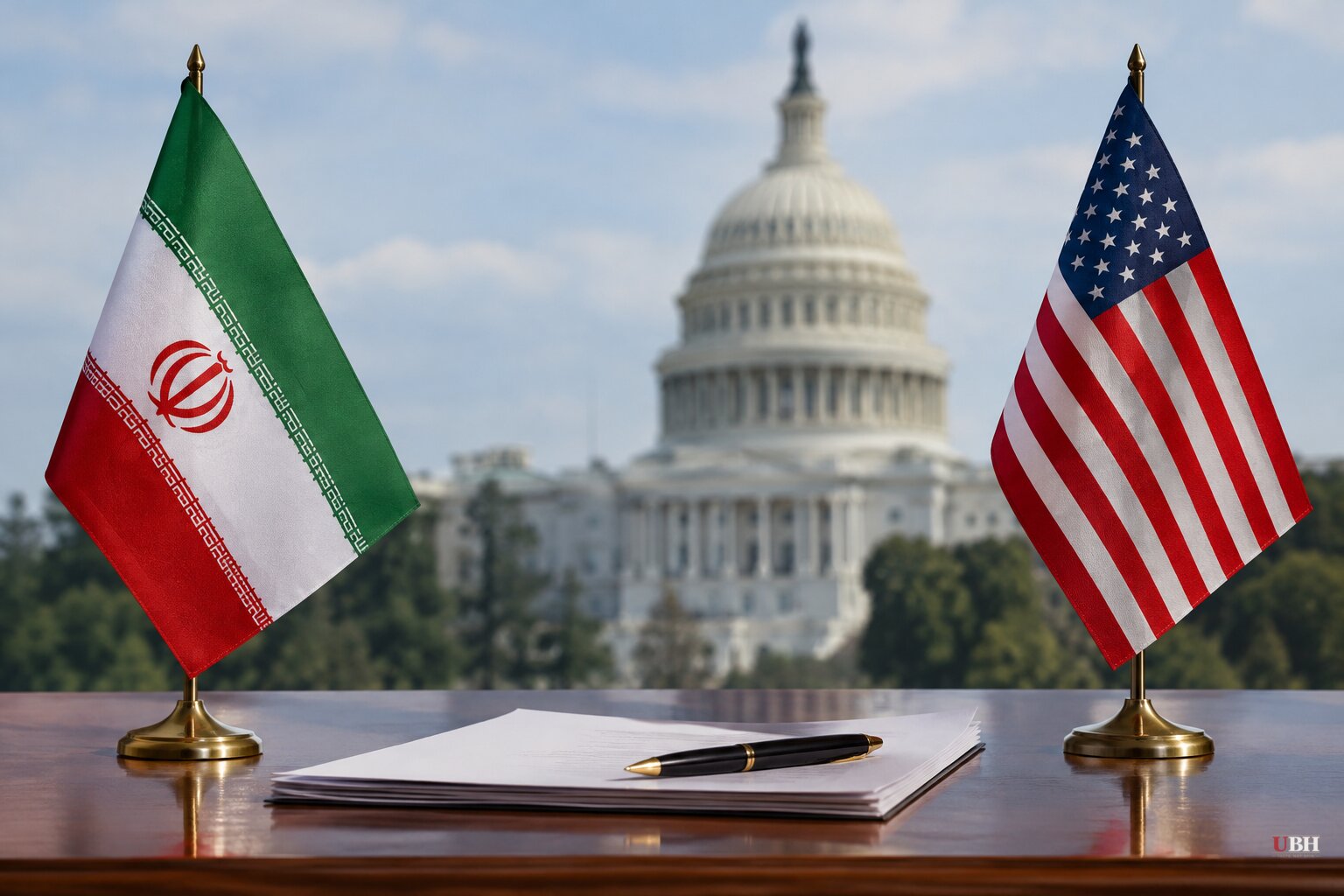
Since the Iran war passed the eight-month mark and Republicans lost the House and Senate in the Nov. 3 midterms, both governments have been talking past each other. Sunday, Nov. 8, produced the sharpest language yet.
Foreign Minister Abbas Araghchi posted on X: "American voters have made their choice. Time for the White House to make its own. Our 2-day proposal stands: meet the requirement, including end to war on all fronts, and you will see results. Or choose war, and see our alert and battle-harded Warriors rain down hell."
Araghchi has not said when the two-day clock began or what Tehran would do when it runs out.
Rubio: no breakthrough
Rubio answered hours later, speaking to reporters before leaving for a G7 meeting in Paris. "You have a number of countries that continue to engage them with different ideas. But I wouldn't say we're at the verge of a breakthrough," he said.
He called the talks unproductive. "The Iranian demands are simply not just unacceptable, but in some cases, outrageous and ridiculous and really not realistic," Rubio said. He added that Trump "would always prefer to solve this and every problem diplomatically."
Qatar is leading the mediation, backed by Egypt, Saudi Arabia, Pakistan and Turkey.
What Tehran is asking for
The public demands are large. On Oct. 31, Araghchi told Al Jazeera that talks with Qatari mediators had cut the proposed timeline for reopening the Strait of Hormuz from five days to two. He said Iran's conditions had not changed: lifting sanctions imposed after the Islamabad memorandum, restoring oil waivers, releasing frozen funds including money held in Qatar, and reducing U.S. forces in the region.
Iranian security chief Mohsen Rezaei, speaking in Russia, listed seven conditions and said Iran would neither open the strait nor negotiate until they are met. They include an end to U.S. and Israeli military action, lifting the U.S. naval blockade and all sanctions, releasing frozen assets, withdrawing most U.S. forces from the region, and paying war reparations.
Armed forces chief of staff Maj. Gen. Ali Abdollahi has floated a reduced version requiring five of the seven up front. He also said the U.S. must recognize Iranian sovereignty over the strait.
Supreme National Security Council deputy secretary Ali Bagheri said Iran must see "practical actions" from Washington before opening "a new chapter." He said the U.S. disrupted the June memorandum of understanding.
Iran says the door is still open. Foreign Ministry spokesman Esmaeil Baghaei told German broadcaster ARD: "We have never left the negotiating table. We have not closed the window of diplomacy. Messages are being exchanged through mediators. But the problem is that the United States appears to be insisting on its unilateral demands." He said Trump and other officials have repeatedly used the phrase "complete surrender," which "no Iranian accepts."
Baghaei also denied any Iranian link to a suspected operation against a military air base in Britain. "Iran has no connection to such an operation that they allege," he said.
Trump on Vance, Hegseth and the war
Trump told reporters Sunday that Vice President JD Vance "was right" when he blamed the war for the midterm losses. Vance had written that "the reason we lost is the war" and challenged anyone to argue the cost was worth it.
Trump said it hadn't strained their relationship. He wanted one more sentence added. "If you had it to do again, would you do it again? The answer is 'yes,'" Trump said. He argued history will judge the war as "one of the best things we ever did," because an Iranian nuclear weapon would endanger the world.
He also defended Secretary of War Pete Hegseth against impeachment calls, crediting him with "winning two wars" and knocking out Iran's nuclear capacity. "I believe we saved the Middle East and Israel combined," Trump said.
Whether the war achieved that is disputed. A former CIA officer, John Kiriakou, claimed this week that the agency issued three estimates finding no Iranian nuclear weapons program. That claim rests on his account alone.
The strike question
Trump has left open renewed strikes. Ali Vaez of the International Crisis Group told CNN the war "has become a political albatross" and that Trump faces a choice between "a face-saving deal" and doubling down militarily. Trump has told some journalists he is weighing a hard strike and others that he has no immediate escalation plans. Earlier this week he said he was in no hurry.
Tehran is not counting on the election to change anything. Supreme Leader Mojtaba Khamenei said anyone who thinks the results will shift U.S. policy is "deeply mistaken." Parliament speaker Mohammad Bagher Ghalibaf, who has led talks with the U.S., warned that Iran's "NO comes with a Nightmare."
The outcome now rests on whether the White House answers Araghchi's two-day clock, and whether Rubio's Paris meetings with G7 counterparts produce a new diplomatic opening or a decision on strikes.
Sources used for this briefing
7 links from 7 independent newsrooms (syndicated copies of the same report count once)
These are the sources it draws on, linked so you can verify.


