
Original briefings. Zero spin.
Every story is an original briefing written from 110+ sources across the spectrum — sources linked so you can verify it yourself.
 tech
Notable (6/10)
Event date: August 23, 2026
tech
Notable (6/10)
Event date: August 23, 2026
Environmental Groups Sue EPA Over Approval of Two Secret Chemicals for Chip Manufacturing
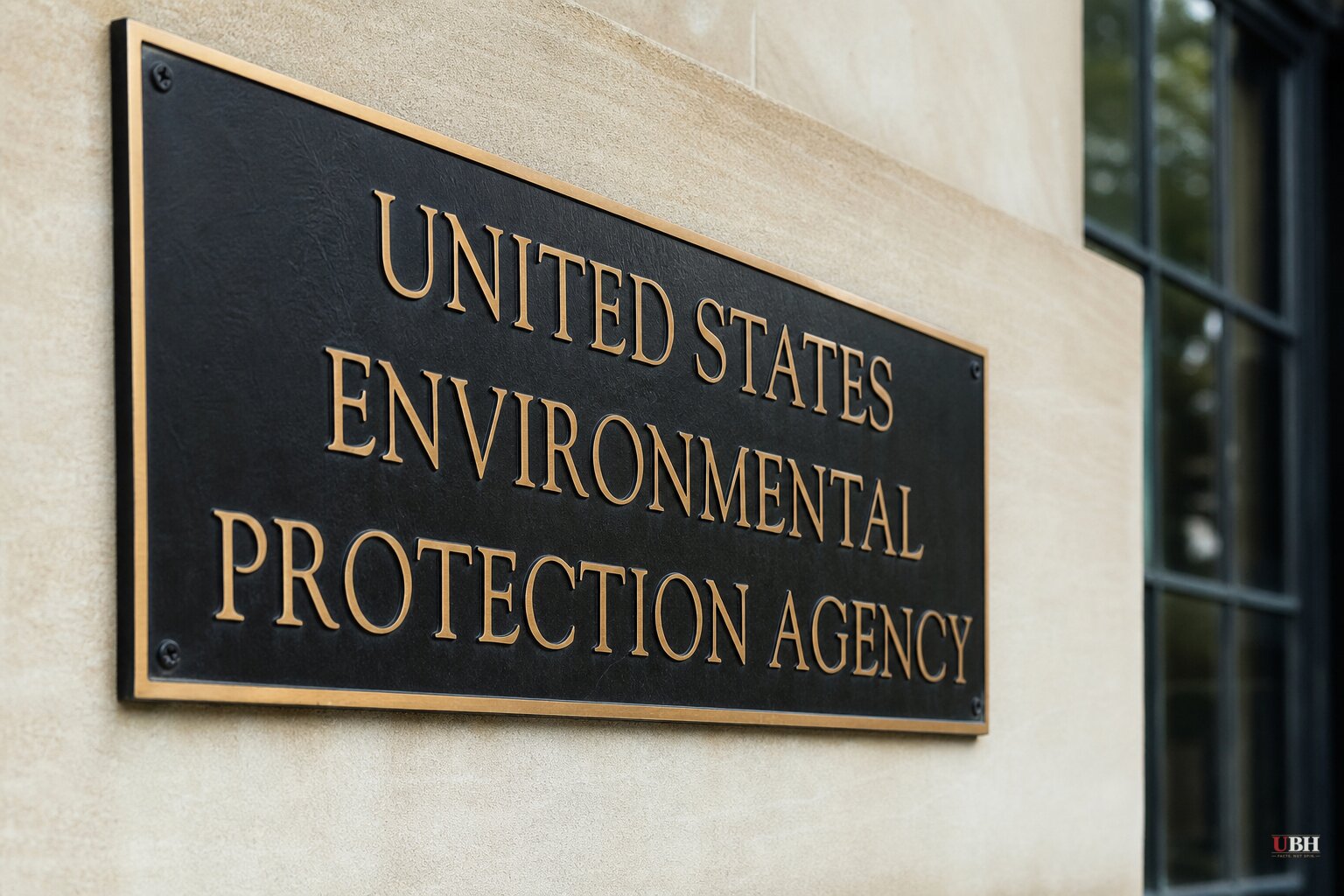
Two environmental and labor-aligned groups sued the EPA on Friday, August 14, over the agency's approval of two chemicals used in semiconductor manufacturing. The EPA's own paperwork says the chemicals could cause cancer, neurological damage, reproductive harm, and in some cases sudden death.
CHIPS Communities United and the Sierra Club filed the petition in the U.S. Court of Appeals for the Ninth Circuit in San Francisco. Earthjustice is representing them. The suit challenges two Consent Orders the EPA issued under Section 5 of the Toxic Substances Control Act, covering chemicals identified only by premanufacture notice numbers P-26-0029 and P-26-0045, according to Earthjustice and the legal analysis firm Bergeson & Campbell.
Both the names of the chemicals and the company that makes them are redacted in the public filings, according to The Guardian. What isn't redacted is the EPA's own admission that it lacks the data to fully calculate the risk. Jonathan Kalmuss-Katz, a senior attorney with Earthjustice, put it bluntly in the group's statement: the EPA "admits that it has not evaluated the full extent of these chemicals' health risks, yet it is still sending them into communities across the country and leaving the public to discover their effects one doctor's visit at a time."
What the Chemicals Do
The two substances are photoacid generators, chemicals used in photolithography, the process that etches circuit patterns onto semiconductor wafers using ultraviolet light. According to reporting from The Cool Down, EPA documents on the first chemical flagged reproductive and childhood development risks from air emissions or drinking water exposure, and noted that similar compounds are "chiefly associated with acute lethality, or sudden death." The second chemical's EPA materials pointed to broader public toxicity concerns plus reproductive and developmental risks for workers exposed through skin contact.
Bergeson & Campbell's legal summary adds technical detail: the chemicals fall into an EPA-recognized "PAG Category" of salts that react to UV light or heat. The category has been under EPA review since at least 2018 through a "Semiconductor PAG Consortium" of manufacturers. That consortium reportedly has 90 days from approval to submit further testing data, per the Consent Orders, meaning the chemicals are already legal for import and use while that data collection happens.
The Legal Argument
The core legal claim is straightforward. TSCA requires the EPA to restrict a chemical's manufacture, use, or disposal if it presents an "unreasonable risk" to workers or the public, according to Kalmuss-Katz's reading of the statute. Earthjustice argues that because the EPA's own consent orders acknowledge unreasonable risk, the law required real restrictions, not the "minimal and non-protective" conditions Kalmuss-Katz says were actually imposed.
This isn't a fringe legal reading. TSCA was amended by Congress in 2016, specifically to shift the burden onto manufacturers to prove a new chemical is unlikely to pose unreasonable risk before it hits the market, according to Natural News's summary of the law's history. That's a meaningfully higher bar than the pre-2016 system, and it's the bar Earthjustice says the EPA blew past here.
The Redaction Problem
Every source in this story runs into the same wall: nobody outside the EPA and the manufacturer knows what these chemicals actually are. That's a legitimate transparency concern that cuts across the political spectrum. If a chemical linked to "sudden death" is heading into fenceline communities, residents and doctors have no way to connect a health complaint to its source. Judith Barish of CHIPS Communities United argues exactly this: neighbors and workers near chip fabs have historically been harmed by hazardous air and water contamination, and secrecy makes that harder to track, not easier.
The EPA has stated it will not comment on active litigation, according to The Hill's reporting as relayed by The Cool Down. The EPA's position isn't fully absent from the record, though. The agency's own consent orders, cited by multiple sources, impose some testing requirements and time limits on manufacturing, meaning the EPA did not treat this as a zero-condition approval. Whether those conditions meet the "unreasonable risk" bar under TSCA is precisely what the Ninth Circuit will now have to decide.
The Bigger Fight
This lawsuit lands in the middle of a broader clash over how fast the EPA is willing to move to support the AI data center buildout. A separate but related fight is underway over a proposed EPA rule that would eliminate minimum public participation requirements for Clean Air Act permits often used by data centers and industrial expansions. A coalition of nearly 200 groups filed comments on August 24 urging EPA to withdraw that proposal, according to the Environmental Defense Fund, arguing it would gut public notice and comment periods that have existed for more than 50 years.
Whether that separate rule and this chemical approval trace back to the same late-2025 Trump executive order aimed at speeding up datacenter chemical approvals is unclear. The Guardian reports that redactions in the consent orders make it impossible to confirm whether these two chemicals were fast-tracked under that order specifically.
The Ninth Circuit case is now pending. No ruling date has been set, and the EPA has not filed a public response to the merits of the complaint as of this writing.
Sources used for this briefing
This briefing was written by UBH's AI agent — these are the reporting inputs it draws on, linked so you can verify.


