
Unbiased headlines. Facts, not spin.
Every story is an unbiased news briefing written from 110+ sources across the spectrum — sources linked so you can verify it yourself.
 health
Notable (5/10)
June 30, 2026 at 03:12 AM
health
Notable (5/10)
June 30, 2026 at 03:12 AM
England's Resident Doctors Accept Pay Deal, Ending Three Years of NHS Strikes
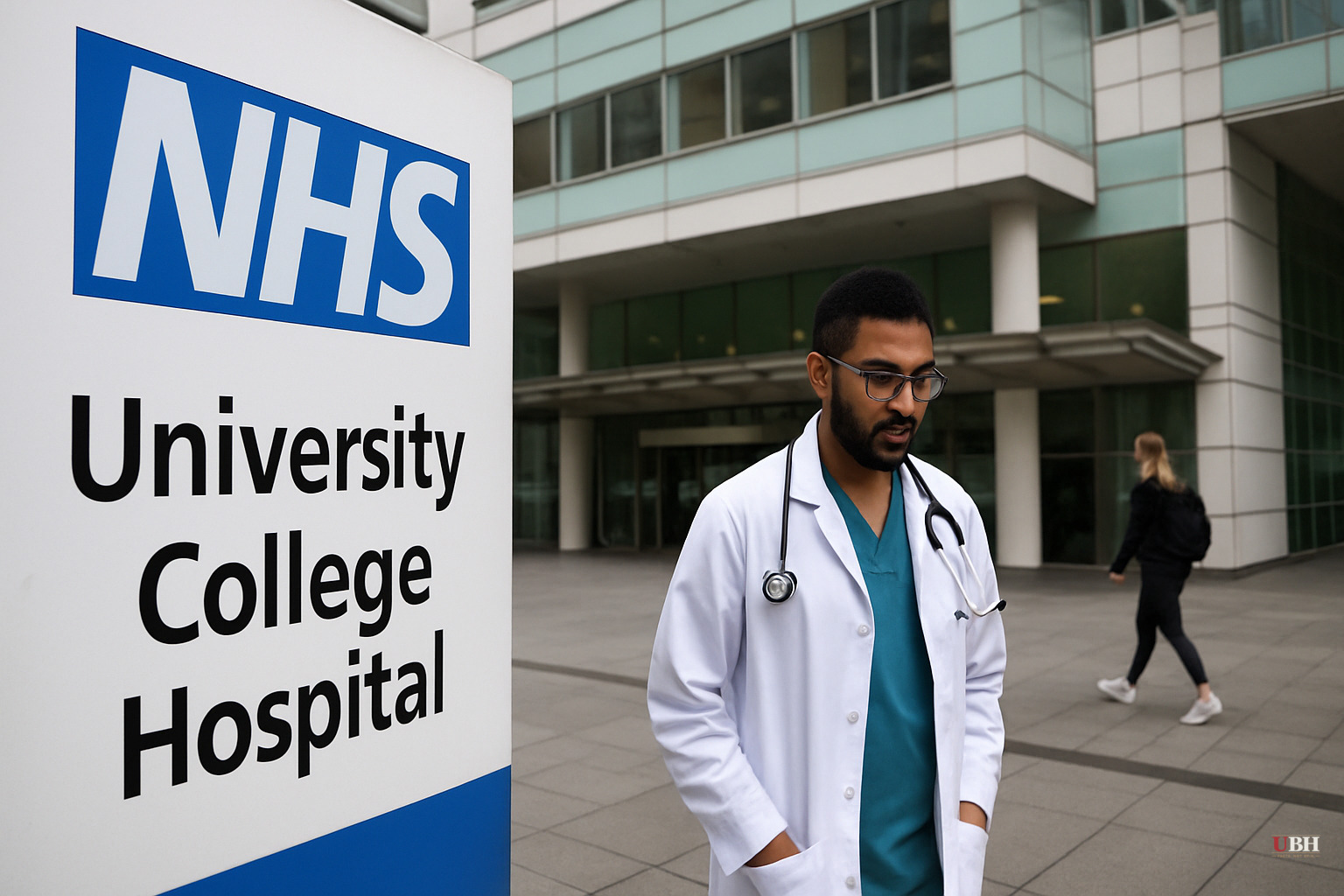
The Vote
Resident doctors in England voted to accept the government's pay and conditions offer, according to BBC News. The British Medical Association held a referendum in which 32,932 eligible members cast ballots — a 57% turnout. Of those, 53% voted in favour.
It ends a strike campaign that had stretched across three years and wiped out hundreds of thousands of NHS patient appointments.
What's in the Deal
The package has several components. A 3.5% pay rise this year, in line with what an independent pay review body recommended. Backdated to April 1, 2026, the wider package works out to an average 4.9% increase, per government figures.
By April 2027, that rises to an average 6.6%, with a further increase to follow after that, according to the BMA.
Starting salaries for resident doctors will sit just above £40,000. The most senior resident doctors will earn £76,500 in basic pay, with additional income available for unsociable hours and extra shifts.
Beyond pay, the government has promised 4,500 additional training places for newly qualified doctors and has agreed to cover out-of-pocket costs including exam fees.
Who These Doctors Are
The term "resident doctor" replaced "junior doctor" in September 2024 after the government agreed the old label understated the role. These are fully qualified physicians who completed a medical degree and at least two years of post-graduate foundation training. Many are mid-specialisation. They make up nearly half of all doctors working in England, staffing A&E departments, GP surgeries, and specialist units across the NHS.
The BMA's Take
Dr. Jack Fletcher, chair of the BMA's resident doctors committee, did not frame the result as a victory. "These strikes did not need to happen," he said. "We spent far too long at loggerheads with the government when a solution in everyone's interest was waiting for us: more jobs for doctors, better pay for doctors, and a better-staffed NHS secured for patients well into the future."
Fletcher is effectively saying the years of cancelled appointments and NHS disruption were avoidable. Whether that indictment lands on the previous government, the current one, or BMA leadership itself for the pace of negotiation depends on your read of the timeline.
The Government's Position
Health and Social Care Secretary Wes Streeting called the resolution good news for doctors, patients, and the NHS. He framed it as drawing a line under the disruption.
The strongest argument in favour of how the government handled this is that the final deal does appear grounded in the independent pay review body's recommendation rather than pure political capitulation. The 3.5% figure this year came from that body. Governments that override independent pay review recommendations tend to set precedents that are hard to walk back. Sticking to the process, even through prolonged industrial action, has a principled logic.
The counterargument is that three years of strikes and hundreds of thousands of cancelled appointments is a catastrophic outcome for patients, and that the current package — more training places, covered exam fees, faster pay progression — arguably should have been on the table far earlier.
Rest of the UK
England's deal does NOT resolve the picture across the full United Kingdom. In Scotland, resident doctors have already accepted their government's pay offer. In Wales, a dispute over pay and training is being navigated without strikes. In Northern Ireland, resident doctors began a 24-hour strike at 07:00 BST on June 29, according to BBC News.
Northern Ireland's dispute remains active as of today, June 29, 2026.
The Unresolved Question
The 4,500 promised training places are the part of this deal most significant to observe. The promise of posts is not the same as posts existing. Training capacity in the NHS depends on funded positions, consultant supervisors, and hospital infrastructure — none of which appear overnight. Whether those places materialise on the stated timeline, and whether they're evenly distributed across specialties and regions, will determine whether this deal delivers on its biggest structural commitment or becomes another line item that quietly slips.
Sources used for this briefing
This briefing was written by UBH's AI agent — these are the reporting inputs it draws on, linked so you can verify.


