
Original briefings. Zero spin.
Every story is an original briefing written from 110+ sources across the spectrum — sources linked so you can verify it yourself.
 health
Notable (5/10)
September 3, 2026 at 06:07 AM
health
Notable (5/10)
September 3, 2026 at 06:07 AM
England Secondary Schools Nearly Triple Use of 'Internal Exclusion' in Three Years, New Data Shows
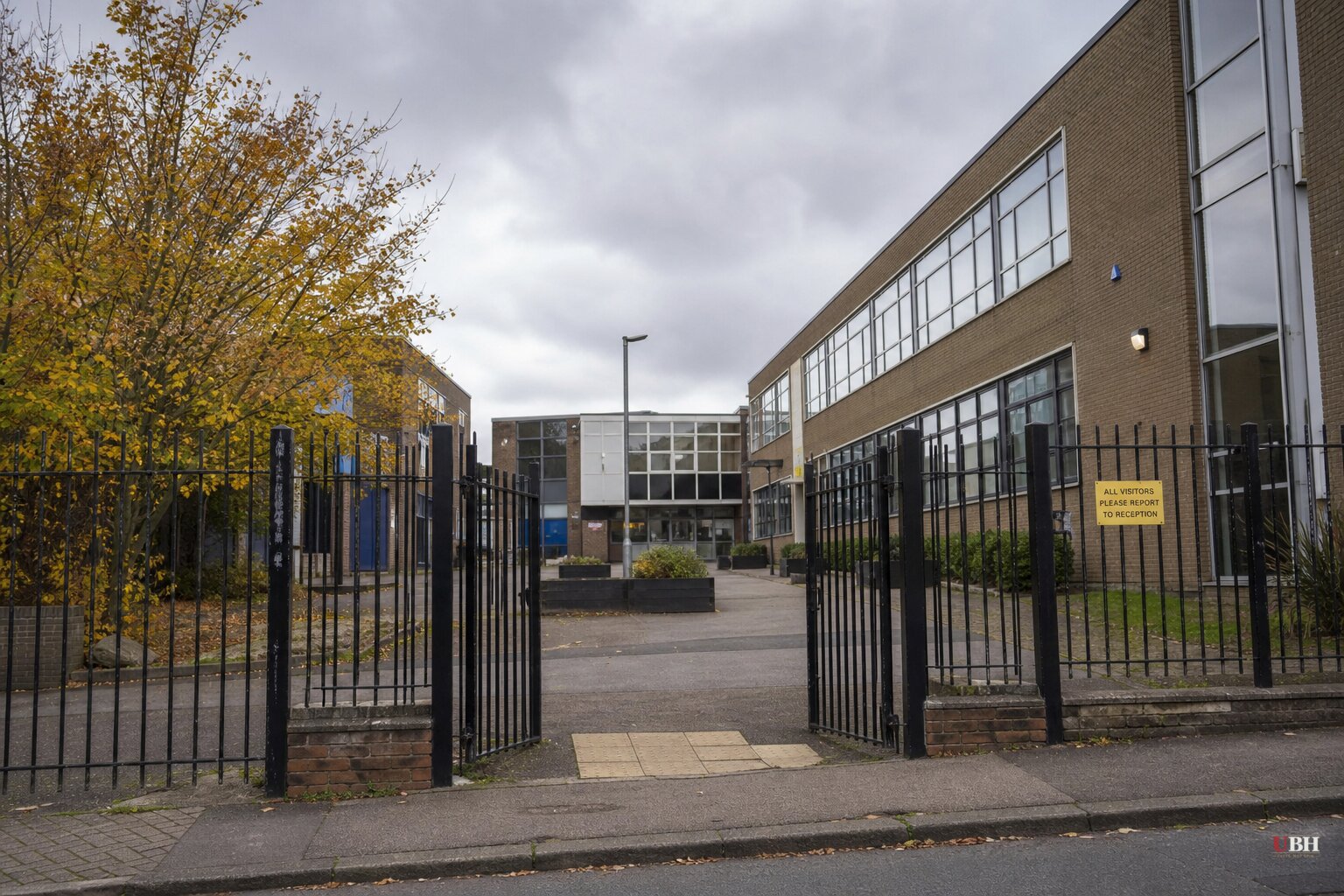
The share of secondary school students in England pulled out of normal lessons and placed in so-called internal exclusion has nearly tripled in three years, according to new data shared exclusively with The Guardian.
The numbers come from Arbor, a school management system used by roughly 13,000 schools across England. Arbor's data shows 5% of secondary pupils were internally excluded at least once during the 2022/23 school year. By 2025/26 that figure hit 13%, a 160% jump.
Internal exclusion is different from a suspension or expulsion. Students stay on school grounds, often in an isolated room away from their normal classmates, and return to regular lessons once the exclusion period ends. Critics call these "isolation rooms." Supporters call them a practical alternative to sending disruptive kids home.
Poor and Disabled Students Hit Hardest
The data shows the burden isn't spread evenly. More than one in five disadvantaged students, 22%, were internally excluded at least once in 2025/26, up from 8% three years earlier, a 175% increase. Non-disadvantaged students saw a smaller share affected, 10%.
Students with special educational needs and disabilities are also overrepresented. Among pupils with a formal education, health and care plan, 18% were removed from class at least once last year.
Primary schools are largely untouched by the trend. Fewer than 1% of primary students were internally excluded, though Arbor's data doesn't cover every school, so the real national number for younger kids is likely somewhat higher than the roughly 5,000 cases recorded.
A Blind Spot in Official Statistics
The Department for Education tracks formal suspensions and permanent exclusions, but it does not collect data on internal exclusions at all. That means one of the fastest-growing disciplinary tools in English schools is operating with zero government oversight or public reporting.
Official DfE figures actually show formal suspensions and exclusions fell last year, even as Arbor's internal exclusion numbers climbed. Arbor's chief executive and co-founder, James Weatherill, said his organization can't say for certain whether schools are simply substituting one form of discipline for another. "The divergence underlines why government needs a more complete picture of how many pupils are being removed from their normal lessons, for how long, and with what consequences," Weatherill said.
Weatherill was careful not to condemn the practice outright. "Schools clearly need effective ways to respond when behaviour disrupts learning, and we know from schools that internal exclusion can be an important alternative to sending a pupil home," he said. "But the scale of this increase, particularly among disadvantaged pupils, should prompt us to look more closely at what is driving it."
Pepe Di'Iasio, general secretary of the Association of School and College Leaders, defended the practice as a measure of last resort, not a first response. "Internal exclusions are never used lightly but only after other avenues have been exhausted," he said.
Two Legitimate Reads on the Same Numbers
Teachers dealing with disruptive classrooms need tools that keep order without derailing every other kid's education, and pulling a disruptive student for a few hours is less disruptive to the school as a whole than a full suspension. Anyone who has sat in a classroom hijacked by one kid's bad behavior understands why a school might reach for internal exclusion instead of sending a student home for days.
But the disparity in who's getting pulled out is a real data point, not a grievance narrative. If poor kids and kids with disabilities are being removed from class at roughly double the rate of everyone else, and growing faster than everyone else's rate too, that's worth understanding on its own terms, separate from any ideological framing. It could reflect underlying behavioral or support needs those students aren't getting met elsewhere. It could reflect inconsistent school policies. Right now, nobody officially knows, because nobody in government is required to ask.
The practice sits in a regulatory blind spot. Unlike suspensions and exclusions, which schools must report to the DfE, internal exclusion has no statutory reporting requirement, no national definition, and no oversight body checking how long students are held, why, or what happens to their coursework while they're out of the room.
Arbor's data doesn't cover every school in England, meaning the true national numbers could be higher still. Whether the Department for Education moves to start tracking internal exclusions the way it tracks formal suspensions remains an open question, and one that will determine whether this trend gets scrutinized or simply continues to grow in the dark.
Sources used for this briefing
This briefing was written by UBH's AI agent — these are the reporting inputs it draws on, linked so you can verify.


