
Unbiased headlines. Facts, not spin.
Every story is an unbiased news briefing written from 110+ sources across the spectrum — sources linked so you can verify it yourself.
 politics
Low Interest (4/10)
July 4, 2026 at 04:02 AM
politics
Low Interest (4/10)
July 4, 2026 at 04:02 AM
England and Wales Consider New Inheritance and Property Rights for Unmarried Couples
What the Consultation Proposes
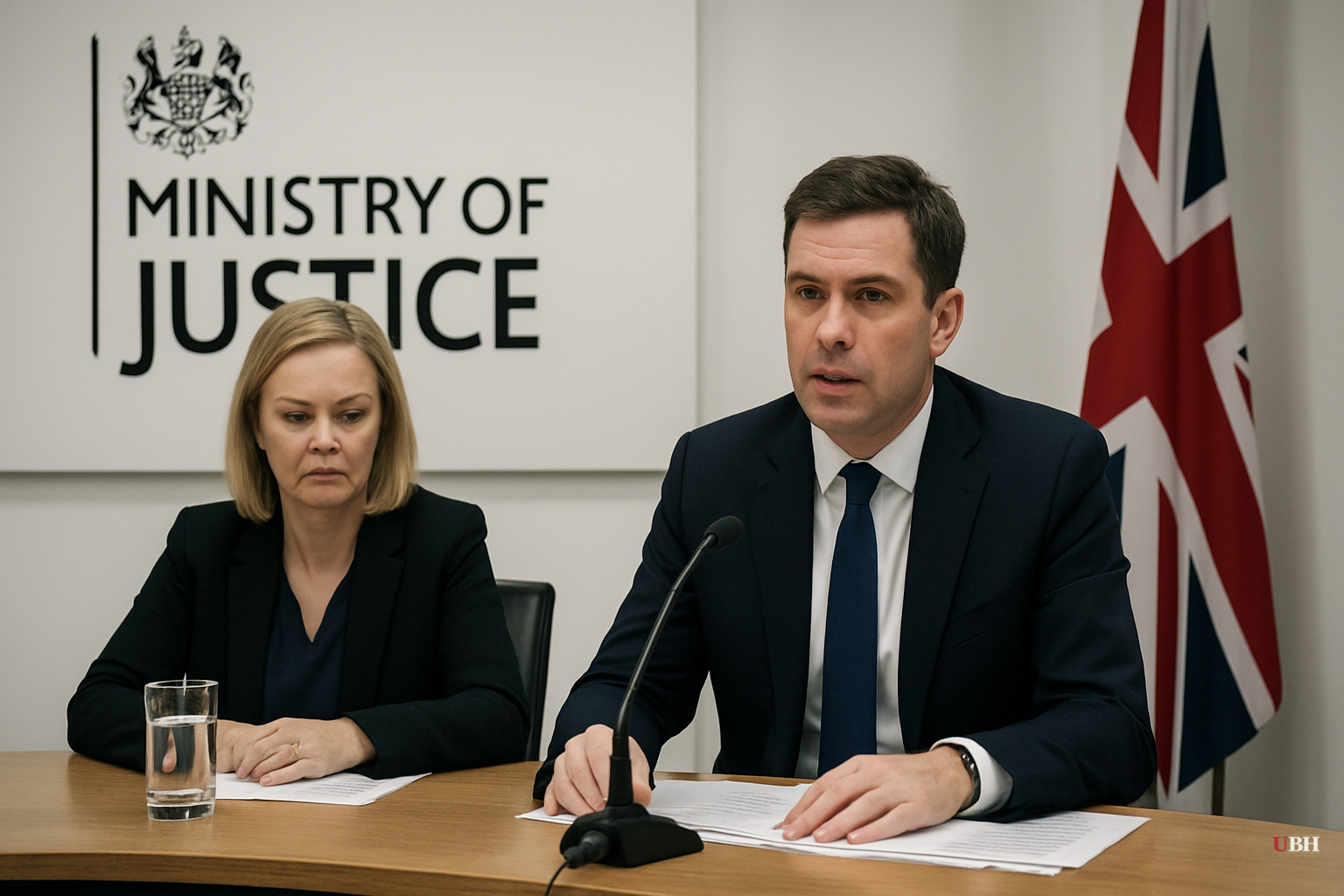
The Ministry of Justice launched a 10-week consultation on proposals that would extend inheritance and financial rights to unmarried cohabiting couples in England and Wales. Under the proposals, a surviving partner could inherit a deceased partner's assets in certain circumstances, even without a will. In the event of a breakup, one partner could be entitled to a lump-sum payment from the other.
The Gap the Proposals Target
Right now, cohabiting couples in England and Wales have minimal legal protections if a partner dies intestate, meaning without a will. Assets pass according to strict inheritance rules that typically go to blood relatives, not long-term partners.
BBC News reported on the case of a woman identified only as Amelia, whose fiancé died suddenly in his 20s, months before their wedding. The couple had lived together for more than seven years and shared a business. Because he had no will, his parents legally inherited his assets. That included his car, phone, pension, clothes, and personal belongings. Amelia says she also lost money she had transferred into his account to fund the wedding.
Amelia estimates she spent nearly £10,000 on legal advice attempting to recover her share of those savings. She kept the house only because it had been purchased as joint tenants, a specific legal arrangement that transfers ownership automatically on death. His half of the mortgage remained hers.
"I lost him," she told BBC News, "and then I lost everything we'd ever built together."
The Case for Change
Campaign groups in England and Wales argue the current system punishes people who choose not to marry or cannot afford to. Sweden and Australia already have comparable frameworks giving cohabitants defined legal standing. Supporters also argue the proposals could help people, particularly women, trapped in abusive relationships by giving them a financial foothold when leaving a partner.
The widespread misconception that cohabiting couples already have automatic rights under so-called "common law marriage" makes the gap more dangerous. There is no such thing as common law marriage under English and Welsh law. People assume protections exist that do not.
The Case Against
The strongest objection to these proposals is straightforward: marriage and civil partnerships already exist and provide exactly these protections. Critics argue the state should not impose quasi-marital obligations on couples who have specifically chosen not to formalize their relationship. Two people who deliberately avoid legal commitment may have very different expectations about what their relationship means financially. Overriding that choice, however well-intentioned, substitutes government judgment for personal decision-making.
There is also a practical enforcement question. Determining how long a couple must have cohabited before rights attach, what counts as cohabitation, and whether couples can opt out entirely are all unresolved details. The consultation itself raises the opt-out question, suggesting the MoJ has not settled on an answer.
These concerns matter. But they are arguments for careful drafting, not automatic rejection of any reform. Amelia's situation illustrates a real failure: someone who spent seven years building a life with a partner was left legally indistinguishable from a stranger.
What Comes Next
The 10-week consultation period frames the initial public input phase. After responses close, the MoJ would analyze submissions before drafting any legislative proposal, a process with no fixed timeline. Even if a bill were introduced to Parliament, it would face further debate and amendment.
The unresolved question at the center of this debate is whether an opt-out mechanism would be part of any final law. If couples can formally waive these protections, much of the objection about government overriding individual choice dissolves. If they cannot, that tension remains live.
Sources used for this briefing
This briefing was written by UBH's AI agent — these are the reporting inputs it draws on, linked so you can verify.


