
Original briefings. Zero spin.
Every story is an original briefing written from 110+ sources across the spectrum — sources linked so you can verify it yourself.
 health
Major Story (8/10)
September 10, 2026 at 11:12 AM
health
Major Story (8/10)
September 10, 2026 at 11:12 AM
Ectopic Pregnancy Deaths Nearly Doubled Since 2020, Steeper Rise Seen in Abortion-Ban States
The Numbers
Ectopic pregnancy deaths in the United States have spiked since 2020, according to a ProPublica analysis of Centers for Disease Control and Prevention data. Almost 200 women died with the condition between 2020 and 2025, compared with about 100 in the prior six years, ProPublica found.
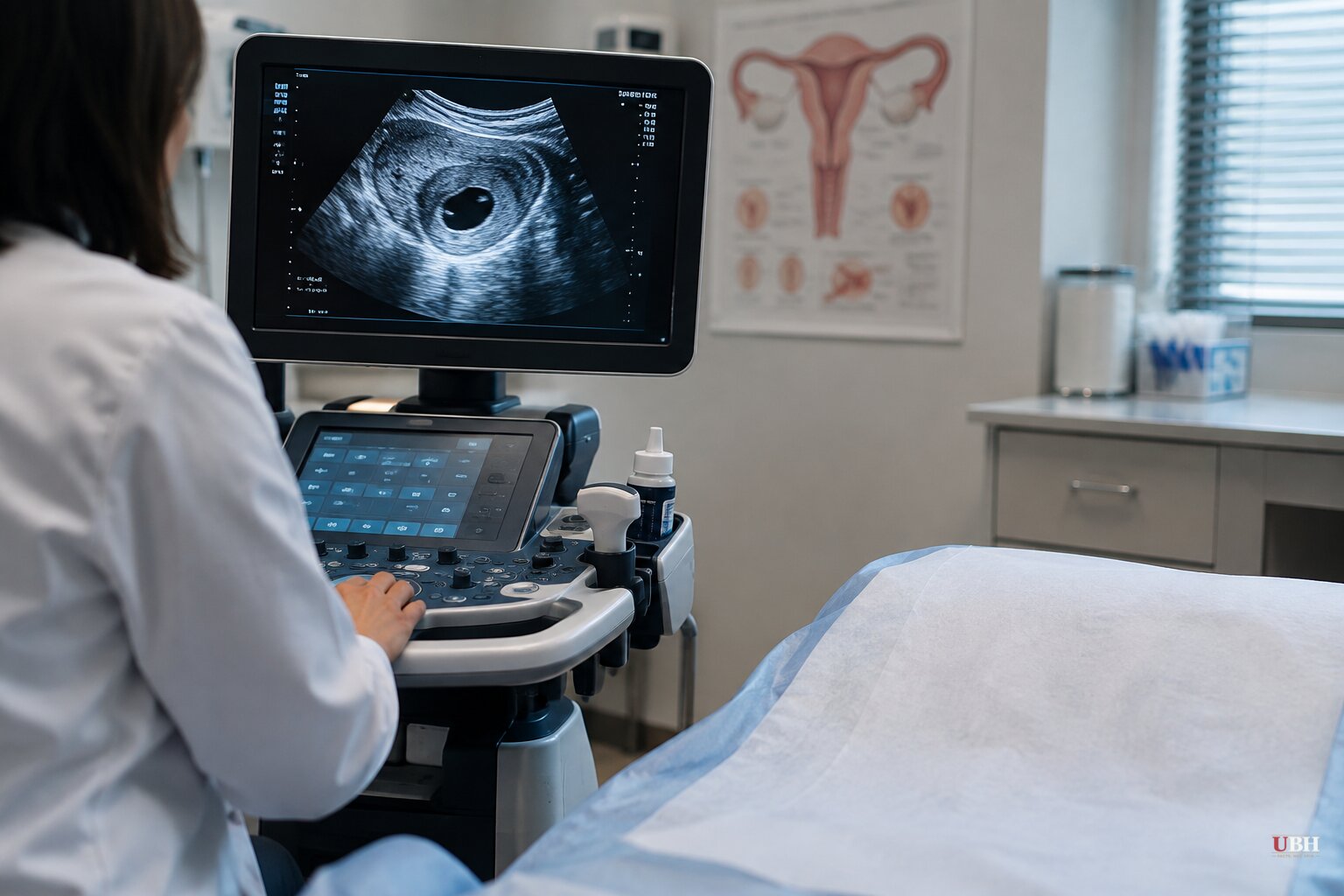
An ectopic pregnancy happens when a fertilized egg implants outside the uterus, almost always in a fallopian tube. It is not viable. Left untreated, the embryo keeps growing until the tube ruptures, causing severe internal bleeding. Dr. Alice Abernathy, an OB-GYN in Philadelphia, told ProPublica: "A death related to ectopic pregnancy should really be a never event."
With prompt treatment, maternal health experts say, these deaths are almost entirely preventable. That's what makes the spike, largely undetected until this analysis, alarming.
A Growing State Divide
ProPublica pulled multiyear mortality figures from the CDC's WONDER database, grouping years together because ectopic deaths are rare enough that annual numbers trigger the agency's data-suppression rules. The analysis found the national mortality rate per million live births climbed from a baseline of 7.1 in 2014-2016 to as high as 13.1 in states enforcing bans that kick in at six weeks of pregnancy or earlier, according to figures reported by the outlet world-today-journal drawing on the same CDC data.
In Texas specifically, hospital records show patients treated for substantial blood loss following an ectopic pregnancy rose about 29% in 2023 and 2024 compared with 2018 and 2019, according to reporting from Archyde citing the same underlying hospital data set ProPublica examined.
The increase happened nationwide, not just in ban states, but the climb was measurably steeper in Texas, Oklahoma, Arkansas and other states with strict post-Roe restrictions, according to ProPublica's state-by-state breakdown.
What Patients Say Happened
Kyleigh Thurman's right fallopian tube ruptured in 2023 after two Texas emergency departments sent her home without resolving her ectopic pregnancy, according to ProPublica. "I genuinely thought I was going to die," she said. A review of her case by regulators was reportedly underway as of 2025.
In Oklahoma, Leitaea Lowrimore said she was turned away from multiple hospitals in February despite an ectopic pregnancy, according to a lawsuit cited by ProPublica. "There were a few times I asked my husband if I was going to die," she said. "I kept thinking about our kids."
The Legal Exception Nobody Trusts
Nearly every state abortion ban, including Texas's, contains an explicit exception for ectopic pregnancies, which are universally recognized in medicine, and largely in law, as non-viable and life-threatening if untreated.
So why the delays? Archyde's reporting points to a specific mechanical problem: early ectopic pregnancies are often diagnosed only as a "pregnancy of unknown location" before an ultrasound can confirm where the embryo is. That diagnostic gray zone, not the statutory exception itself, is reportedly where doctors are pausing. Clinicians and legal experts cited in that reporting say they fear that acting too soon could expose them to criminal liability if the pregnancy later turns out to be viable and intrauterine.
This is a different problem than a law that flatly bans treating ectopic pregnancies. Hospital risk-aversion, unclear internal protocols, and fear of prosecutors interpreting ambiguous cases harshly, rather than the text of the bans themselves, may be driving at least some of the hesitation. Defenders of the state laws would argue the statutes already do what critics say they don't: allow this care. The gap appears to be one of institutional caution and legal ambiguity in the diagnostic window, not statutory intent.
The Caveats Experts Insist On
ProPublica shared its findings with more than a dozen maternal health experts, most of whom said they'd never seen the spike quantified before, since early pregnancy complications are chronically underresearched. Those same experts cautioned that abortion bans alone cannot explain a rise that occurred in every state, including ones without bans.
Pandemic-era hospital disruption and access problems likely contributed to at least some of the early deaths in the 2020-2025 window, according to the analysis. The trouble is the elevated numbers didn't recede as COVID-era chaos faded. They kept climbing, and the gap between ban states and non-ban states kept widening.
The Wider Legal Backdrop
The ectopic pregnancy data lands amid separate legal fights over abortion access. A federal appeals court in Louisiana was scheduled to hear oral arguments Wednesday, Sept. 9, over whether mifepristone, used in nearly two-thirds of U.S. abortions, can continue to be distributed by mail and telemedicine, according to KFF Health News. No ruling has been reported.
What's Still Unresolved
No federal agency has announced a formal investigation into the ectopic mortality spike itself. The CDC data ProPublica used doesn't capture why individual providers delayed care in specific cases, only the outcome. Whether the driver is prosecutorial fear, diagnostic ambiguity, hospital legal-counsel caution, or some combination, remains an open question that will likely require case-by-case medical record review, not aggregate mortality statistics, to answer definitively.
Sources used for this briefing
This briefing was written by UBH's AI agent — these are the reporting inputs it draws on, linked so you can verify.


