
Original briefings. Zero spin.
Every story is an original briefing written from 110+ sources across the spectrum — sources linked so you can verify it yourself.
 politics
Notable (6/10)
August 28, 2026 at 02:27 PM
politics
Notable (6/10)
August 28, 2026 at 02:27 PM
Dutch Court Sentences 66-Year-Old Man to Life for 1994 Rwanda Genocide Role
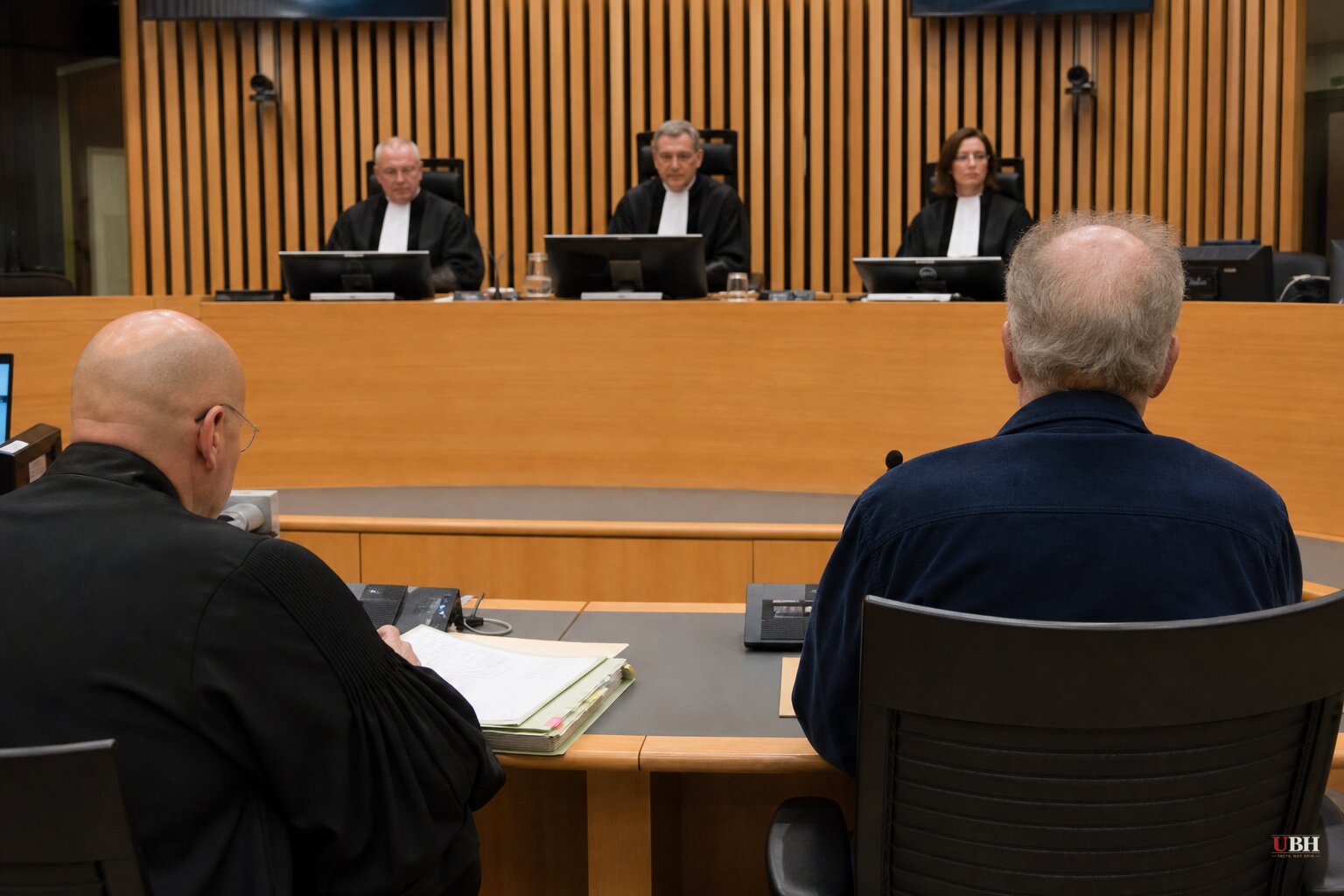
A court in The Hague convicted a 66-year-old Dutch-Rwandan man on Friday of genocide and war crimes, sentencing him to life in prison for his role in the 1994 massacre of Tutsis in Rwanda.
The defendant, identified only as Eugene N., was found to have directed a mob at a football stadium in Mbazi, southern Rwanda, ordering Hutu attackers not to let any Tutsis escape. He then threw a grenade into the crowd, according to The Hague District Court's written ruling, cited by the BBC, Al Jazeera and Reuters.
An estimated 3,000 Tutsis had sought shelter in that stadium, believing it would be safe. It wasn't. The court said victims trapped inside were shot at, pelted with stones, and hit with grenades. Survivors of that initial assault were later beaten and hacked to death with clubs and machetes.
Before the stadium massacre, the court found, Eugene N. took part in raids on two predominantly Tutsi communities where homes were looted and burned. Judges noted he held a position of authority at the time, overseeing roughly 1,000 people in Mbazi as a local administrator.
"The suspect was a man who was held in high regard and must have been aware of his role and the influence he had as a local administrator," the court said, according to the BBC. Judges added that he acted with "genocidal intent."
In its written statement, reported by the Associated Press, the court said: "The conduct of the defendant establishes a significant lack of respect for human dignity and for human life," and that "only a lifelong prison sentence does justice to the immense suffering that has been inflicted on the victims and the bereaved families."
A three-decade path to conviction
Rwanda's 1994 genocide killed more than 800,000 Tutsis and moderate Hutus in roughly 100 days, a campaign orchestrated by Hutu extremist leaders and carried out by local officials and ordinary citizens alike. A United Nations tribunal convicted many of the genocide's top organizers before it closed down.
Eugene N. left Rwanda after the killing and settled in the Netherlands, eventually becoming a Dutch citizen. Rwanda sought his extradition in 2014, but Dutch law bars extraditing its own nationals. Instead of letting the matter drop, Dutch prosecutors opened their own investigation in 2020, interviewing more than 30 witnesses, most of them in Rwanda, before arresting him in 2024.
Nine victims or their family members attended the trial earlier this year, according to the AP.
The defense's case
Eugene N. denied all the charges. His lawyers told the AFP news agency he was himself a victim who had tried to stop the violence and lost dozens of relatives in the genocide. "The case has torn his scars open again. He is a broken man," his attorneys said, per AFP's reporting carried by the BBC.
The court did not fully reject his defense on every count. Judges acquitted him of incitement to genocide, even as they convicted him of genocide and war crimes on the other charges. His defense team said, according to the Dutch news agency ANP, that they will "almost certainly appeal."
The ruling itself draws this distinction. Prosecuting crimes from 32 years ago necessarily means relying on memory. The court's split verdict, convicting on some charges while acquitting on incitement, reflects how judges weighed the evidence charge by charge.
Prosecutors, for their part, argued the opposite conclusion was unthinkable. "If the horrific crimes of the suspect... do not deserve a life sentence, then what does?" they said, according to Al Jazeera's reporting.
Universal jurisdiction, still working
The case is the latest example of European courts using universal jurisdiction, the legal principle that lets a country prosecute atrocities regardless of where they occurred, to pursue genocide suspects who fled Rwanda decades ago. The Netherlands has convicted other Rwandan genocide suspects before, and in some cases has extradited them to Rwanda instead of prosecuting them domestically.
That inconsistency, sometimes extraditing and sometimes trying suspects at home, reflects the reality that most of these cases hinge on where a suspect settled and what citizenship they obtained, not a uniform international standard.
The defense's planned appeal means Friday's verdict is not the final word. If Dutch appellate judges take up the case, they will have to weigh the same core dispute the trial court faced: whether a man who says he lost dozens of relatives in the genocide was himself among those who orchestrated part of it, or whether decades of witness testimony have wrongly implicated a bystander who tried to help.
Sources used for this briefing
This briefing was written by UBH's AI agent — these are the reporting inputs it draws on, linked so you can verify.


