
Original briefings. Zero spin.
Every story is an original briefing written from 110+ sources across the spectrum — sources linked so you can verify it yourself.
 politics
Notable (5/10)
September 1, 2026 at 12:35 PM
politics
Notable (5/10)
September 1, 2026 at 12:35 PM
Duane 'Keffe D' Davis Convicted of Murder in 1996 Killing of Tupac Shakur, Sentencing Set for Oct. 13
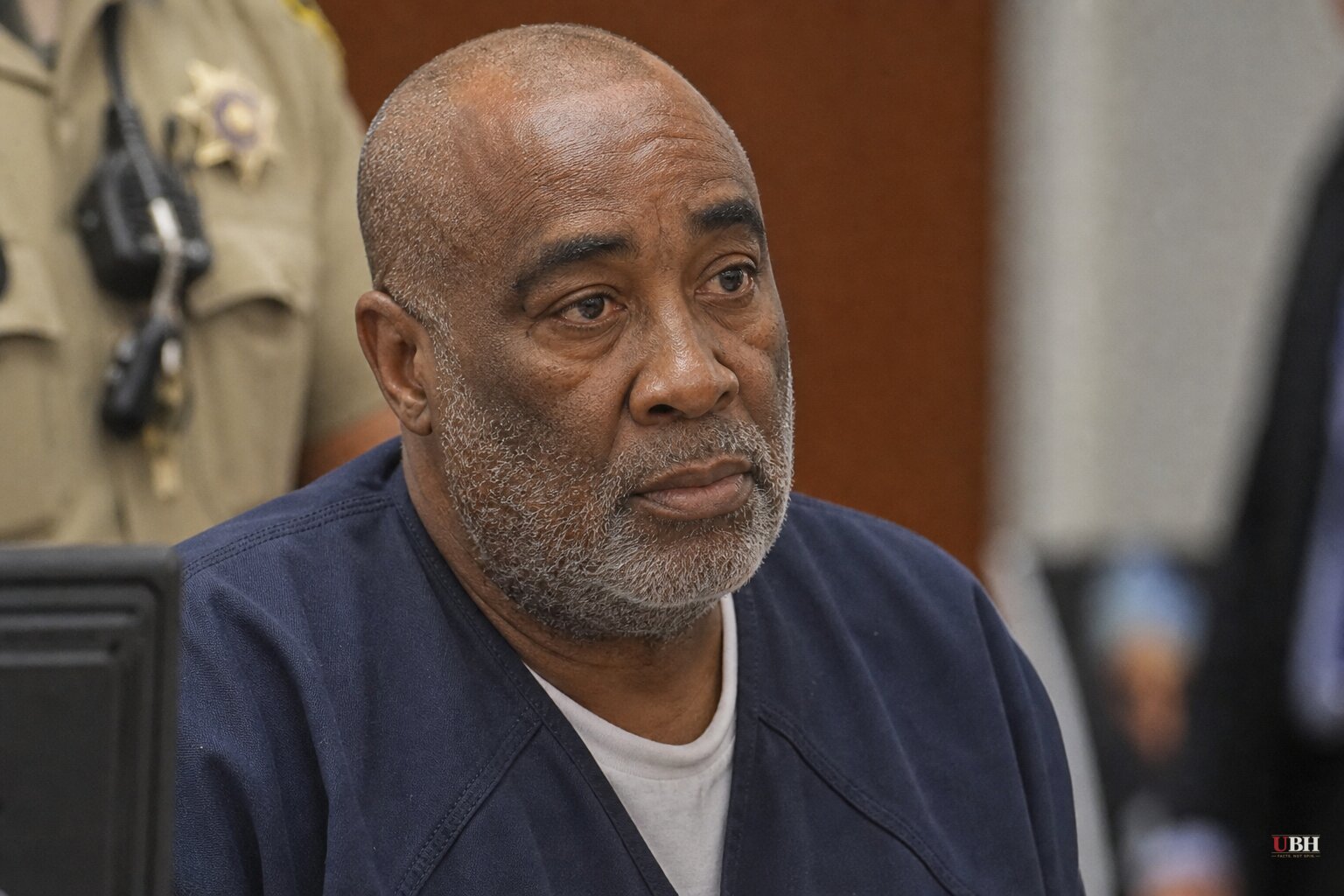
Since jurors heard Davis's own 2008 recording naming his nephew as the shooter on August 21, the trial has moved to its conclusion: a guilty verdict.
A Clark County, Nevada jury convicted Duane "Keffe D" Davis, 63, on Monday, August 31, of first-degree murder with a deadly weapon in the September 7, 1996 killing of rapper Tupac Shakur, according to the Associated Press and NBC News. The jury deliberated less than three hours after an 11-day trial, according to Al Jazeera.
Prosecutors did not argue Davis pulled the trigger. Under Nevada law, someone who helps another person commit murder can be convicted of the crime itself. Chief Deputy District Attorney Binu Palal told jurors Davis acquired a gun, gathered his crew, and "went hunting" for Shakur and Death Row Records co-founder Marion "Suge" Knight after the two beat up Davis's nephew, Orlando "Baby Lane" Anderson, at the MGM Grand hours before the shooting, according to CBS News and Euronews.
"For nearly 18 years, Duane Davis has told the police, television, books, YouTube interviewers — anybody that will listen — he is responsible for the murder of Tupac Shakur," Palal said in closing arguments, according to Forbes. "Tell him you hear him — find him guilty."
Davis is the only person still alive who was in the white Cadillac that pulled alongside Shakur's BMW at a red light near the Las Vegas Strip that night, prosecutors said. The other three men allegedly in the car, including Anderson, have all since died. Anderson was killed in an unrelated shooting in 1998 and denied involvement in Shakur's death before he died.
Prosecutors dismissed a separate gang enhancement charge against Davis, citing "witness logistics," according to CBS News and Forbes. That charge would have required prosecutors to prove the killing was carried out to promote a criminal gang; its dismissal does not affect the murder conviction itself.
The Defense's Core Argument
Davis's attorney, Michael Sanft, built his closing argument around a real gap in the state's case: there was no physical evidence, no surveillance footage, and no phone records placing Davis in Las Vegas or inside the Cadillac that night. "They have nothing in this case that says that man was here in Las Vegas on Sept. 7, 1996," Sanft told jurors, according to CBS News.
Sanft also argued Davis's own accounts, spread across a decades-old proffer interview, a 2019 memoir titled "Compton Street Legend," and years of media interviews, were inconsistent and "conflict" with each other, according to Forbes. He pointed to a detail in the book, where Davis wrote he spotted Shakur after hearing women yell his name, that didn't match other versions of events.
A case built almost entirely on a defendant's own shifting words rather than forensic proof presents a legitimate defense concern. Palal countered that the core facts, Davis placing himself inside the Cadillac from which the shots came, never changed even as peripheral details did. "The core facts remain. The material facts remain," he told jurors, according to CBS News. The jury sided with the prosecution.
What Happens Next
District Judge Carli Kierny ordered Davis held without bail until sentencing, scheduled for October 13, according to NBC News. He faces a maximum sentence of life in prison without parole. Davis told the judge he intends to appeal and raised his fist as he left the courtroom, according to Forbes.
Shakur's sister, Sekyiwa "Set" Shakur, cried and hugged prosecutors after the verdict, according to Euronews. Davis's son covered his face with one hand. Family members told reporters they were withholding further comment until sentencing.
The verdict closes out the trial phase of a case that sat unsolved for nearly 30 years, revived only after Davis's own public boasting in his memoir and in interviews undercut a 2008 immunity agreement that had shielded him from prosecution. Whether an appeal succeeds and whether an appellate court views a conviction built on a defendant's own words, absent forensic evidence, as sufficient remains the open legal question heading into October.
Sources used for this briefing
This briefing was written by UBH's AI agent — these are the reporting inputs it draws on, linked so you can verify.


