
Unbiased headlines. Facts, not spin.
Unbiased Headlines is an independently owned news organization. We bring you the facts, not opinions, written fresh from 110+ named sources. Sources linked so you can verify it yourself.
 health
Notable (6/10)
Event date: November 3, 2026 ·
Drug-Resistant Infections Kill an Estimated 35,000 a Year in the EU, and The Lancet Projects 39 Million Deaths Worldwide by 2050
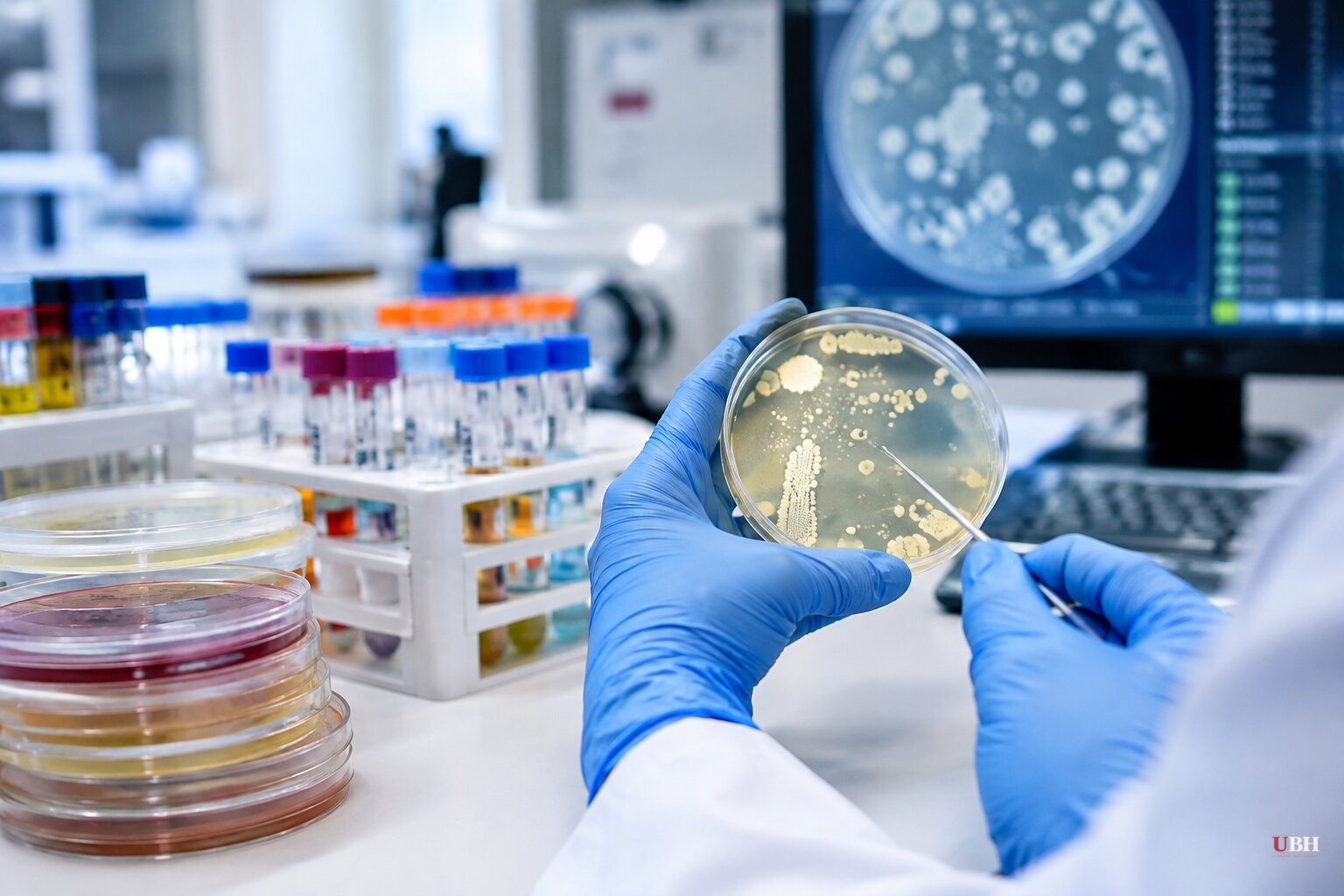
Since The Lancet projected that bacterial antimicrobial resistance (AMR) could directly cause 39 million deaths worldwide between 2025 and 2050, the warnings have kept coming, and this week brought fresh numbers from Europe, the UK and the UN.
The numbers
AMR is responsible for an estimated 35,000 deaths a year in the European Union, according to Euronews reporting published today, Nov. 7. The same account says the health impact is comparable to influenza, tuberculosis and HIV/AIDS combined.
In England, more than 66,000 antibiotic-resistant infections were reported in 2024. They are thought to contribute to around 35,200 deaths a year across the UK, according to figures cited in the Daily Mail.
Globally, a major study found that nearly 5 million people died in 2021 after being sickened by bacteria that did not respond to antibiotics, the UN Environment Programme (UNEP) said on Nov. 4. The Lancet projection adds that resistant germs could shave nearly two years off global life expectancy by 2050, UNEP said.
These are estimates and projections, not counted totals. The 2050 figure in particular is a model.
Where resistance comes from
Fiona Walsh, a professor at Maynooth University in Ireland who studies resistance across human, animal and environmental health, told Euronews the basic problem is simple. "Antibiotic resistance is when bugs can't get treated with the medicines anymore that we usually use to treat them," she said.
Overuse in humans, use in animals, poor sanitation and environmental pollution can all contribute, Euronews reports. Bacteria and the genes that let them resist drugs can move between people, animals and the environment. That is why researchers increasingly use the "One Health" framing.
For patients with multidrug-resistant infections, doctors may stack several antibiotics, and sometimes even that fails. "Unfortunately, some people will die," Walsh said.
The fungal problem
Resistance is not limited to bacteria. Candida auris, a yeast first identified in a patient's ear canal in Japan in 2009, is often resistant to multiple antifungal drugs. Invasive infections have been associated with mortality rates of 30 to 60 percent among hospitalized patients, according to an Epoch Times explainer medically reviewed by Dr. DeMario Butts.
Most people who carry it on their skin never get sick. But colonized people can spread it to surfaces, equipment and other patients. The fungus can survive on surfaces for weeks, and many common cleaning agents, including quaternary ammonium compounds, do not reliably kill it.
Antibiotics do nothing against it. A persistent high fever with chills that does not improve on antibiotics may signal a fungal infection, the explainer says.
What is being tried
One option is phage therapy: using viruses that naturally infect and kill bacteria. Each phage targets a specific bacterium, and doctors can mix them into cocktails or pair them with antibiotics. Phages have been studied for more than a century, and interest is growing because of resistant superbugs. The latest research even suggests phages can make ineffective antibiotics work again, the Daily Mail reports.
David Felstead, now in his 40s, shows what is at stake. He had bone cancer at age eight, and a prosthetic implant was fitted in his thigh. After roughly 40 operations over the years, he developed E. coli and S. aureus infections around the implant in 2020. Antibiotics and surgery failed, and doctors faced a choice between more revision surgery that "clearly was not working" or amputation, he told the Daily Mail. Phage treatment was the alternative that emerged.
Prevention is the other lever. The World Health Organization estimates that better vaccine use could cut global antibiotic consumption by 2.5 billion doses a year. Fewer infections means fewer prescriptions, and fewer chances for bacteria to adapt.
The climate claim
UNEP is arguing that climate change is also feeding the problem. It points to a recent study in The Lancet: Planetary Health suggesting that rising temperatures are helping salmonella develop resistance to some drugs. Warmer weather may also make it easier for bacteria to share resistance genes.
"We're already finding a growing number of common infections that are developing immunity to medications," said Jacqueline Álvarez, head of UNEP's Chemicals and Health Branch. "These infections have the potential to kill millions, and climate change may compound that problem."
The language is cautious: the study "suggests," experts "fear," climate "may" compound the risk. UNEP made the case ahead of a major UN climate conference in Türkiye. The other drivers named by researchers, including antibiotic overuse, agricultural use and poor sanitation, are not climate-related, and no source here puts a number on how much of the rise in resistance each factor explains.
How much of the projected toll is tied to warming, and how much to prescribing, farming and hospital hygiene practices that are already within policymakers' reach?
Sources used for this briefing
4 links from 4 independent newsrooms (syndicated copies of the same report count once)
These are the sources it draws on, linked so you can verify.


