
Original briefings. Zero spin.
Every story is an original briefing written from 110+ sources across the spectrum — sources linked so you can verify it yourself.
 health
Notable (5/10)
September 4, 2026 at 06:56 PM
health
Notable (5/10)
September 4, 2026 at 06:56 PM
Drexel Study Links Voice Disorders to Higher Dementia Risk in 833,000-Patient Analysis
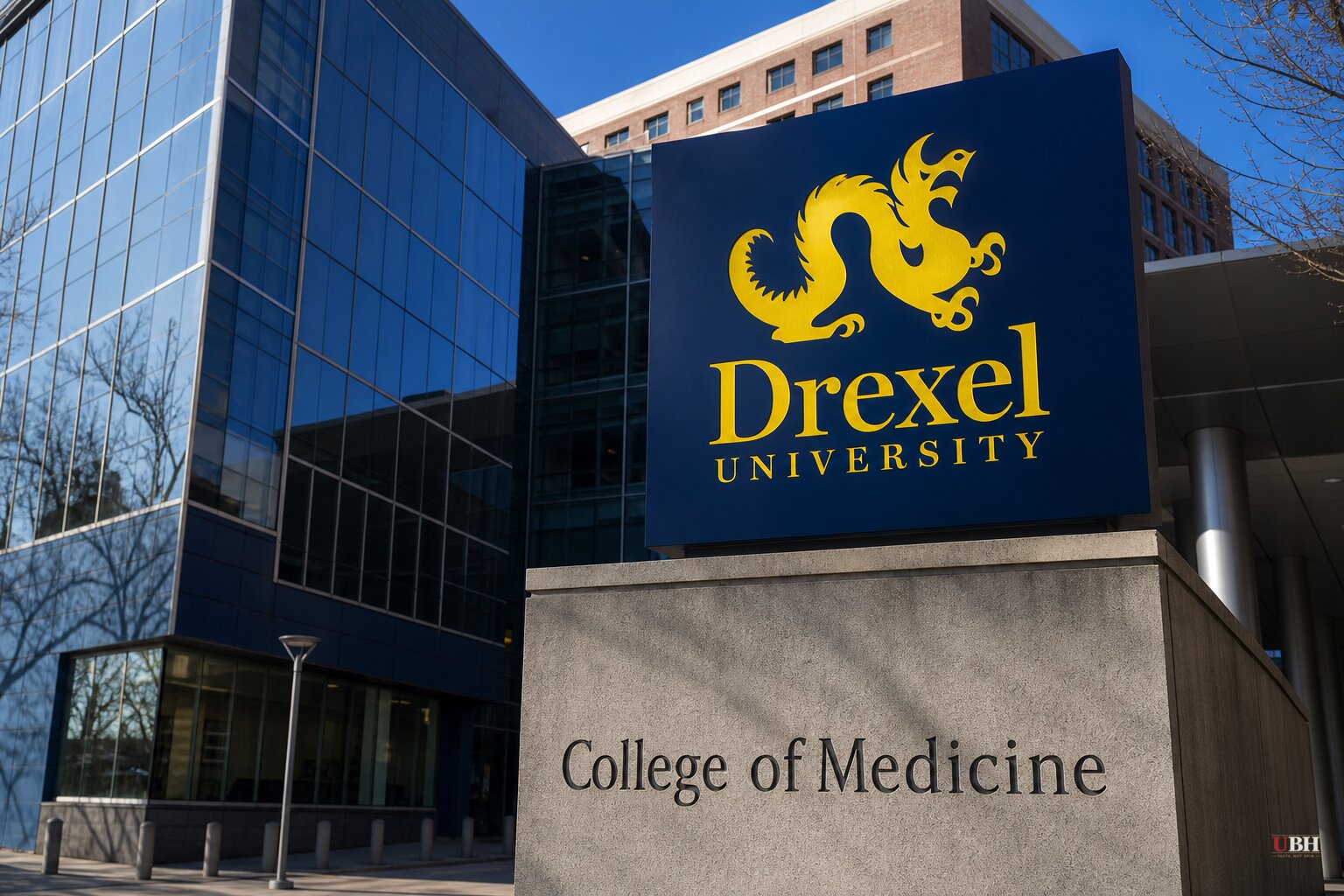
Slurred words, a flatter tone, or a voice that suddenly tires out during a conversation might mean more than getting older. According to a new study out of Drexel University's College of Medicine, it could be an early signal of cognitive decline.
Researchers tracked 833,417 patients starting at least a year after they were diagnosed with a voice disorder, hearing loss, both, or neither. They then checked who went on to develop cognitive impairment or dementia, according to Drexel University and Newsweek, both of which reported on the findings.
The numbers: people with a diagnosed voice disorder but no hearing loss carried a 58% higher risk of later cognitive impairment or dementia compared to people with neither condition, per the study. People with hearing loss alone had a 27% higher risk. The highest risk showed up in patients who had both a voice disorder and hearing loss.
Drexel describes this as the first large-scale study to link diagnosed voice disorders specifically to cognitive decline, published in the Journal of Voice. Hearing loss has long been flagged by researchers as the largest modifiable risk factor for dementia. This study argues voice problems may flag trouble even earlier.
What counts as a voice disorder
The study defined voice disorders broadly: changes in pitch, reduced speech clarity, altered volume, a shrinking vocal range, and pain while speaking or singing, among other medically diagnosed vocal conditions.
According to figures from the National Institutes of Health cited by Drexel, roughly 17.9 million U.S. adults report having had a voice problem in the past year, and 9.4 million of them had one lasting a week or longer. Drexel also notes that about four in ten adults with a voice disorder never sought medical care for it, meaning the study's population may undercount people who could be at elevated risk but were never formally diagnosed.
The proposed mechanism: withdrawal, not just biology
Dr. Robert Sataloff, the study's senior author and a professor and chair at Drexel's College of Medicine, points to behavior as much as biology. "If you have a voice disorder that impacts how your voice sounds or if it's painful when you attempt to talk or sing, it's only natural to participate less often in brain-supporting social or other engaging activities," Sataloff said, according to Newsweek and Drexel's own release.
Sataloff also cited Parkinson's disease as a model for how this might work. Voice changes often show up before other physical symptoms in Parkinson's patients, he said, suggesting vocal decline can be an early marker of neurological disease more broadly.
Dr. Chandril Chugh, a neurologist not involved in the research, told Newsweek the link is biologically plausible independent of the social-withdrawal theory. Speech, he said, depends on "a tightly coordinated network involving the frontal and temporal lobes, basal ganglia, cerebellum, and brainstem." Those regions are frequently among the first affected in neurodegenerative disease. Chugh said that's why subtle changes like reduced volume, a flatter or monotone pitch, or a strained, breathy voice quality can appear years before memory loss becomes noticeable.
Scale of the dementia problem
More than six million Americans currently have Alzheimer's or another form of dementia, a figure the NIH projects will more than double by 2060, according to Drexel's citation of NIH data. More than four in ten Americans over 55 will receive a dementia diagnosis at some point in their life. Early detection, Drexel argues, gives patients more time to plan finances and care while they're still able to make those decisions themselves.
What the coverage leaves out
RealClearScience's write-up is simply a reprint of Drexel's own press release, not independent reporting, and it cuts off after a single paragraph without engaging any of the outside commentary that Newsweek sought out. Readers relying on that outlet alone would miss Chugh's independent medical perspective entirely.
None of the three sources specify whether the researchers statistically controlled for age, smoking, or pre-existing neurological conditions that could independently drive both voice changes and dementia risk. The study establishes an association across a large patient population tracked through primary care visits, but an association is not proof that voice disorders cause cognitive decline, or that treating a voice disorder would lower dementia risk.
The practical question for now is whether primary care doctors start screening for voice changes the way they already screen for hearing loss, and whether insurers would cover that kind of evaluation. Drexel's release doesn't say whether that policy conversation has started.
Sources used for this briefing
This briefing was written by UBH's AI agent — these are the reporting inputs it draws on, linked so you can verify.


