
Unbiased headlines. Facts, not spin.
Unbiased Headlines is an independently owned news organization. We bring you the facts, not opinions, written fresh from 110+ named sources. Sources linked so you can verify it yourself.
 defense
Notable (5/10)
Draft federal cyber plan defines a 'black' level attack as officials say they see no evidence recent outages were hacks
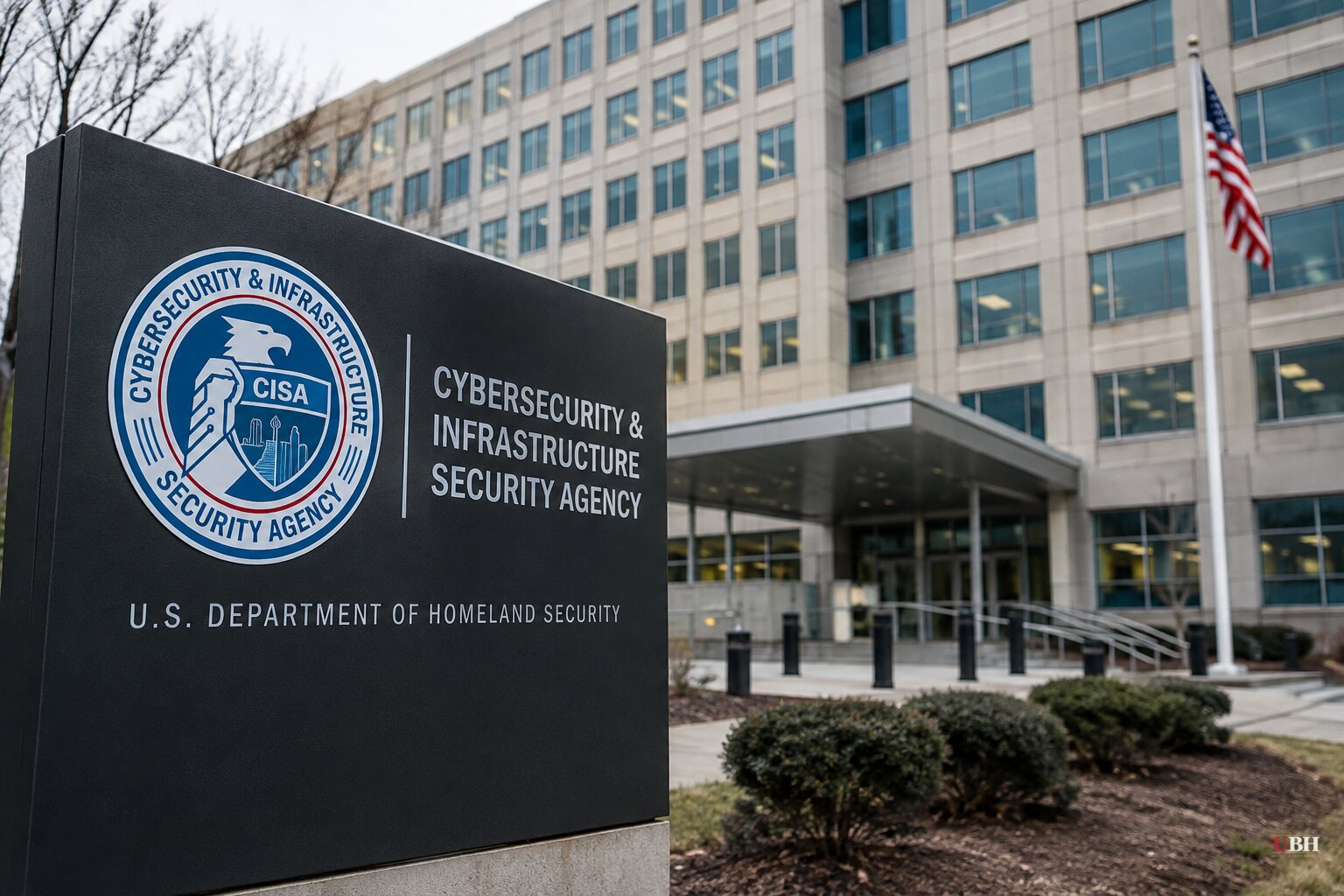
The federal government has a written playbook for the worst cyber attack imaginable. It is still labeled a draft, and the comment period on it closed more than 21 months ago.
The Cybersecurity and Infrastructure Security Agency (CISA) released a draft update to the National Cyber Incident Response Plan in December 2024. The original plan dates to 2016. Public comment on the update closed Feb. 14, 2025.
The six-tier scale
The draft includes a Cyber Incident Severity Schema that runs from level zero, "white," to level five, "black." A black-level event is one that could threaten the stability of the government, cripple critical infrastructure or put American lives at risk.
The draft lays out how federal agencies would coordinate if one occurred.
The stakes are spelled out in earlier government work. The National Infrastructure Advisory Council's 2018 report, Surviving a Catastrophic Power Outage, warned that a major grid failure could disrupt water supplies, communications, transportation, banking, fuel distribution and healthcare.
CISA guidance published in 2022 warned that the first two days after a cyberattack could bring confusion, communications failures, lost forensic evidence and disruption to physical systems. A prolonged response, it said, could leave personnel exhausted and resources stretched.
A rough stretch of outages
The plan is back in the news because of a string of failures. They include a daylong Microsoft outage, banking disruptions and a cybersecurity incident involving JPMorgan Chase customer data. Apple and internal National Security Agency systems were also affected.
The most visible was a nationwide FAA ground stop. It lasted about four hours and grounded flights at every U.S. airport. It was only the second nationwide ground stop since the September 11 attacks.
As of 9 p.m. ET that day, FlightAware counted more than 8,000 flights delayed and 7,000 canceled. Nearly 7,000 flights had been delayed the day before.
The FAA said the problem hit Air Route Traffic Control Centers, the regional facilities that handle high-altitude traffic.
What officials say caused it
Transportation Secretary Sean Duffy blamed aging equipment at a White House news conference. "We have old switches, old routers. We use 1980s little copper lines. It's an old system that went down and went down everywhere. It got overloaded," he said.
When reporters asked why the systems would be overwhelmed on an otherwise normal travel day, Duffy had no ready answer. The FAA did not brief reporters and has not provided further detail on the communication outages.
Homeland Security Secretary Markwayne Mullin said, "We have seen zero evidence this is a cyber attack." U.S. officials have likewise said there is no evidence the wider series of disruptions was coordinated or malicious.
The last comparable shutdown, in 2023, followed a failure of the NOTAM system that alerts pilots to hazards. It also set off fears of an attack. The FAA later determined that contract workers had inadvertently deleted critical files.
Warnings from former officials
Two former officials argue the pattern deserves more alarm than the government's explanations suggest.
Theresa Payton, White House chief information officer under President George W. Bush, told Newsweek that security experts have spent years asking AI companies for safer releases, automated security testing and stronger defenses. "We have been asking for this for four years and it hasn't been delivered," she said. "We're backed into a corner."
Cynthia Kaiser, a former FBI deputy cyber chief, told Newsweek that the mix of cyber attacks and outages could become the "new norm" for years. Both say AI is helping hackers move faster than the people defending American systems.
Payton has described a trap for organizations: patch vulnerabilities at machine speed and risk breaking systems, or wait and stay exposed.
Nothing in the record ties those warnings to the ground stop. Duffy and Mullin point to old hardware, not hackers. Payton and Kaiser are making a broader argument about where cyber risk is heading.
The open questions
Sen. Richard Blumenthal (D-CT) called for a "prompt, penetrating investigation" into the ground stop. He called a communication outage of that scale "highly alarming," and "a clear danger to national security."
The taxpayer angle is plain. If the nation's air traffic system still runs on 1980s copper lines, as Duffy says, the failure is a maintenance and modernization problem on the government's own watch, whether or not any hacker was involved.
No official has explained why the equipment overloaded when it did. The FAA has not released a detailed account of the communication failures at the regional centers.
Sources used for this briefing
3 links from 3 independent newsrooms (syndicated copies of the same report count once)
These are the sources it draws on, linked so you can verify.


