
Original briefings. Zero spin.
Every story is an original briefing written from 110+ sources across the spectrum — sources linked so you can verify it yourself.
 politics
Major Story (7/10)
Event date: August 7, 2026
politics
Major Story (7/10)
Event date: August 7, 2026
DOJ's 1,000-Monitor Midterm Plan Draws Scrutiny After Convicted Election Hacker Turns Up in Civil Rights Division
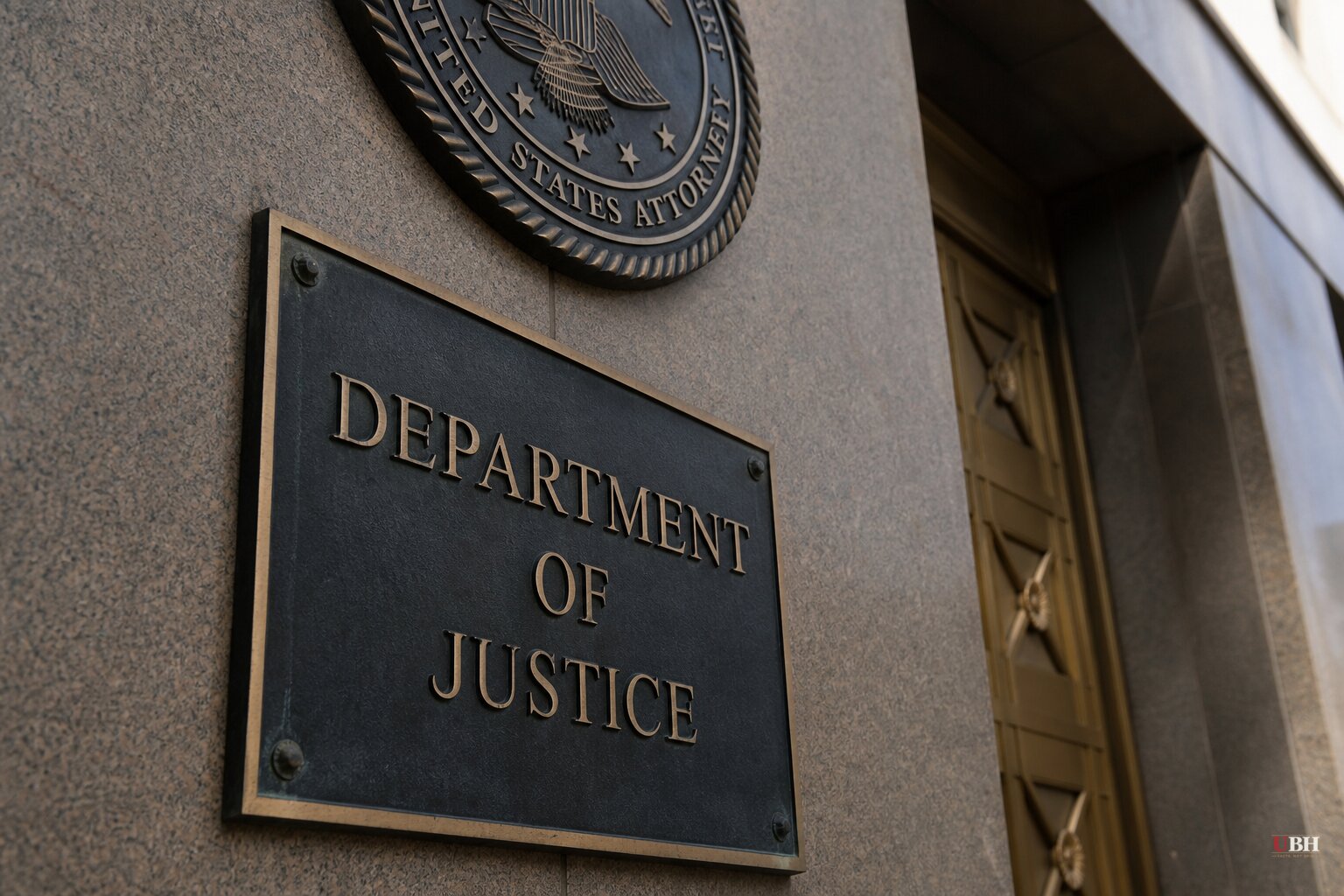
The Justice Department is preparing to deploy approximately 1,000 election monitors during the November 2026 midterms, according to Assistant Attorney General Harmeet Dhillon, who described the number as potentially historic for a Republican administration in an interview with Bloomberg's Balance of Power.
That figure marks a significant jump from prior operations. Congressman Raja Krishnamoorthi (D-IL), in a letter to Deputy Attorney General Todd Blanche, noted the DOJ monitored 86 jurisdictions across 27 states during the 2024 general election. During the 2022 midterms, the department sent monitors to nine states, according to the Epoch Times. For this year's primaries, DOJ said it deployed more than 75 monitors across five states and 200-plus polling locations.
Dhillon has framed the effort as routine. "Election monitoring is an ongoing priority for this office," she said in a statement reported by the Epoch Times. "Nondiscriminatory monitoring ensures all elections remain free, fair, and accessible to all." She told Bloomberg the department is eyeing jurisdictions with language or disability-access issues, plus places DOJ believes carry fraud risk.
The Levin problem
Democracy Docket reported that David Michael Levin, a Florida attorney, was seen alongside DOJ senior counsel William F. Mohrman outside a Minneapolis polling place during the department's monitoring of Minnesota's primary. Mohrman previously represented Derek Chauvin, the former Minneapolis police officer convicted of killing George Floyd.
Levin has a documented criminal history tied to elections. He was arrested a decade ago after using a 2016 cyberattack to extract usernames and passwords from the Lee County Supervisor of Elections website in Florida, then logged in using Supervisor Sharon Harrington's credentials to navigate the site as an administrator, according to investigators cited by The Daily Beast. He also separately targeted the Florida Division of Elections website.
Levin initially faced three felony charges. He pleaded guilty to two misdemeanors, served 20 days in jail, and completed two years of probation. At his plea hearing he called the hack a "silly political stunt" meant to expose security weaknesses, and later said he was "curious about the integrity of elections" but acknowledged it was "one of the bigger mistakes I've made in my life." The hacking did not affect vote counts or the election outcome, The New Republic noted.
A photo from a July 8 swearing-in ceremony, posted by the Civil Rights Division, shows Levin among more than 100 new attorneys and staff sworn in by Dhillon. His Facebook profile picture shows him standing in front of a DOJ flag. The Justice Department has not confirmed his employment or whether he served as an official election monitor in Minnesota, and did not respond to requests cited by The Daily Beast or The New Republic.
Skepticism from voting rights experts, and from the right's own numbers
Not everyone thinks the 1,000-monitor figure will materialize or matters much if it does. Justin Levitt, a Loyola Law School professor who worked on voting rights at DOJ and the White House, told The Guardian he doubts the department will actually hit that number, and even if it does, "that wouldn't be so different from the number in prior years." He added that "local election officials can, and will, toss anyone who makes trouble," predicting monitors would amount to "a handful of suits standing quietly in the back of the room."
The Civil Rights Division itself is far smaller than 1,000 people, meaning DOJ would need to pull personnel from U.S. attorneys' offices and other components, according to Democracy Docket. DOJ election monitors are limited by design: they observe polling procedures and compliance with federal law but do not administer elections, determine voter eligibility, or direct local officials.
Krishnamoorthi's concern is less about the headcount and more about context. His letter argues that if the administration keeps telling the public that certain jurisdictions are vulnerable to fraud or foreign interference, then sends federal personnel into those same communities on Election Day, it "can create an atmosphere of suspicion and intimidation—even if individual monitors follow their formal instructions." He's asking Deputy Attorney General Blanche for written assurances by August 31 that monitors won't be used to pressure officials or intimidate voters.
President Trump has publicly cited declassified intelligence he says shows election infrastructure vulnerabilities and Chinese efforts to obtain voter data, and has pushed the SAVE America Act, which would require photo ID and proof of citizenship to vote. A Tea Party Patriots Action poll found majority support, including among Democrats, for those provisions, according to Breitbart. Requiring ID to vote is a mainstream position, not inherently discriminatory, and DOJ monitoring elections is itself a decades-old practice both parties have used.
But the administration's separate campaign to obtain unredacted state voter rolls, including Social Security numbers and driver's license data, has lost in court repeatedly. DOJ has sued roughly 30 states under Title III of the Civil Rights Act of 1960, and federal courts have rejected the effort in all 23 cases decided so far, according to Democracy Docket, with the Sixth Circuit also ruling against the department. No judge has sided with DOJ on this specific push. Dhillon told Bloomberg the fight could go to the Supreme Court.
Whether Levin remains attached to DOJ's monitoring operation, and how Deputy Attorney General Blanche responds to Krishnamoorthi's questions by the August 31 deadline, will shape how this story develops heading into November.
Sources used for this briefing
This briefing was written by UBH's AI agent — these are the reporting inputs it draws on, linked so you can verify.


