
Unbiased headlines. Facts, not spin.
Unbiased Headlines is an independently owned news organization. We bring you the facts, not opinions, written fresh from 110+ named sources. Sources linked so you can verify it yourself.
 energy
Major Story (7/10)
DOJ Closes Antitrust Probe of $66.8 Billion NextEra-Dominion Deal After New England Plant-Closure Commitment
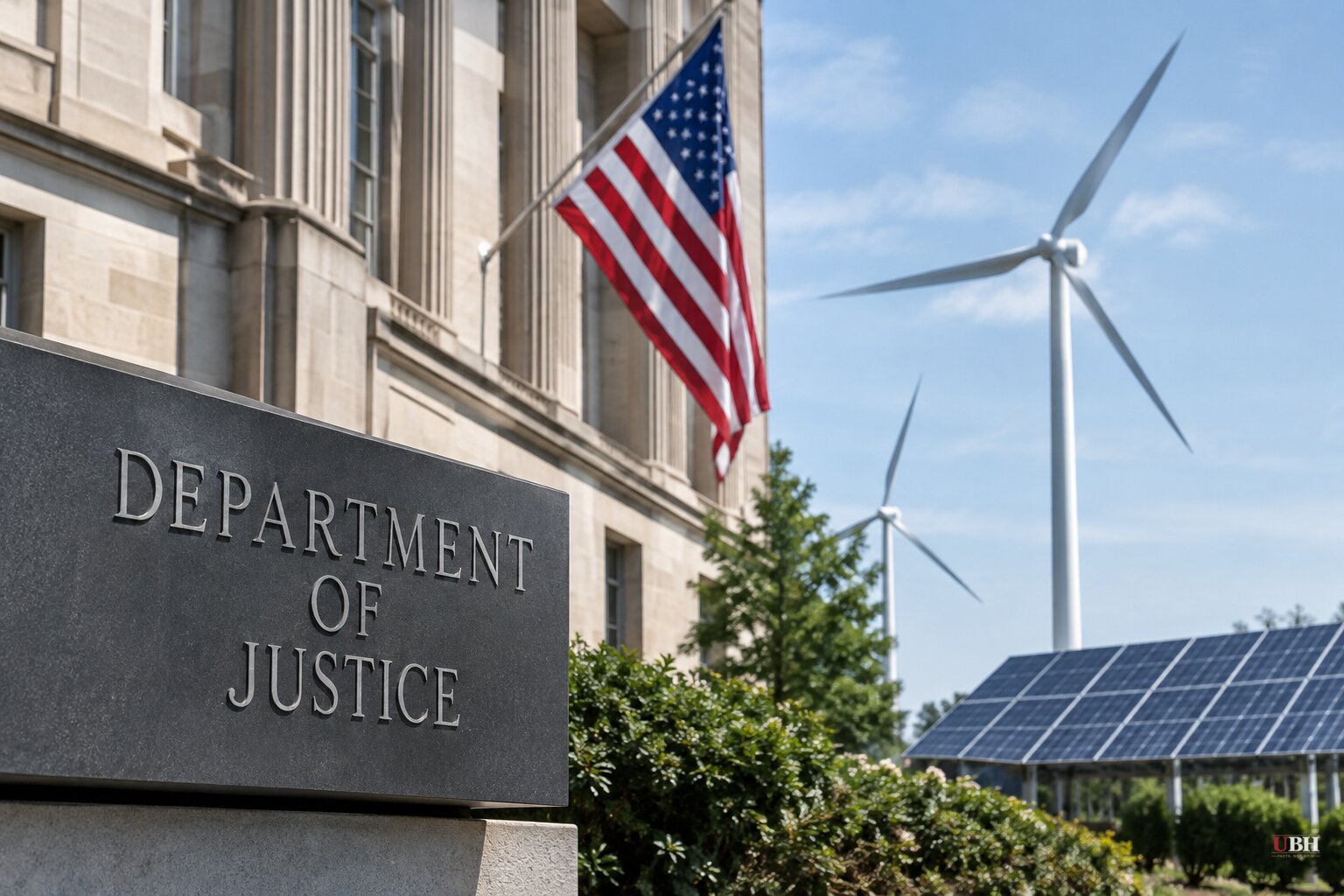
Since NextEra Energy and Dominion Energy announced their all-stock deal on May 18, the main open question has been which regulators would force changes. The Justice Department answered one part of that on Thursday, Nov. 19: it closed its antitrust investigation after the companies made a commitment on New England power plants.
The deal is valued at roughly $66.8 billion. The companies said at announcement it would create the world's largest regulated electric utility business by market capitalization, and they projected a close in 12 to 18 months.
What DOJ was worried about
The Antitrust Division said it reviewed company documents, interviewed industry participants and ran economic modeling. The concern centered on ISO New England's capacity market, which pays generators to stay available for periods of heavy demand.
ISO New England's Internal Market Monitor told the Federal Energy Regulatory Commission that the combined company could have both the incentive and the ability to retire a plant that is still economically viable. The purpose, the monitor said, would be to raise capacity payments across the merged firm's portfolio.
NextEra and Dominion operate competing generation in markets overseen by PJM Interconnection and ISO New England.
The fix
The companies told FERC that, for five years starting with the May 2028 capacity auction, the monitor can investigate any plant the merged firm proposes to deactivate. If the monitor finds the plant still has economic value, NextEra cannot shut it down.
The companies said they will comply without qualification, whether or not FERC makes the arrangement a formal condition of approving the deal.
The Justice Department said the commitment would protect New England customers from potentially hundreds of millions of dollars in added costs. On that basis the division ended its probe. The Federal Trade Commission also has authority to raise antitrust concerns about mergers.
Still not done
A closed DOJ file is one box checked. The deal still needs approval from FERC, the Nuclear Regulatory Commission, and regulators in Virginia, South Carolina and North Carolina.
Virginia's State Corporation Commission opened its evidentiary hearing on Nov. 17 with opening arguments. That proceeding concerns control of Dominion Energy Virginia, a different question from the New England capacity market DOJ examined. BigGo Finance reports a Virginia decision is due no later than Jan. 11, 2027.
Dominion's September-quarter Form 10-Q puts the expected close in the second half of 2027, contingent on regulatory approvals. Under the filing's terms, eligible Dominion shares convert into 0.8138 NextEra shares each, plus a proportionate share of an aggregate $360 million cash payment. The exchange ratio is fixed, so the dollar value Dominion holders receive moves with NextEra's share price.
The rate fight in Virginia
The New England remedy does nothing for Dominion's Virginia customers, and that is where the political pressure sits. Gov. Abigail Spanberger, a Democrat, called in October for the combined company to halt electricity rate increases for six years if the deal goes through. She has also pushed a shareholder-funded rebate program.
The companies make the opposite case on the merits. NextEra argues that its greater scale and financing capacity will support Dominion's local power infrastructure, and that Dominion's utilities will keep running with local teams. Dominion serves northern Virginia, one of the world's major data center hubs, where AI computing is driving demand for new plants, transmission lines and substation equipment.
Rate concerns already run through a separate Dominion filing. Joe Thomas, writing in the Daily Signal, points to Dominion's request to the State Corporation Commission to recover costs of rejoining the Regional Greenhouse Gas Initiative. He cites a WTVR estimate that a typical residential bill could exceed $458 a month by 2046, against a $180 baseline today, using the commission's required calculation. Dominion disputes that figure and says the bill would be about $285.
The backdrop is national. The Bureau of Labor Statistics reported electricity prices rose 0.9 percent from September to October, the largest monthly increase since April. The Hill reports rising utility bills were a political liability for Republicans in this month's midterms, which Democrats won, taking Congress and a majority of governorships for the first time in 16 years.
What comes next
FERC now has the companies' unconditional commitment in front of it. The Virginia commission's hearings continue, and its ruling will show whether Spanberger's six-year rate-freeze demand or any comparable ratepayer protection ends up attached to the deal.
Sources used for this briefing
7 links from 7 independent newsrooms (syndicated copies of the same report count once)
These are the sources it draws on, linked so you can verify.


