
Unbiased headlines. Facts, not spin.
Unbiased Headlines is an independently owned news organization. We bring you the facts, not opinions, written fresh from 110+ named sources. Sources linked so you can verify it yourself.
 politics
Major Story (7/10)
politics
Major Story (7/10)
DOJ: California Prisons Knowingly Let Guards Sexually Abuse Women Inmates for Decades
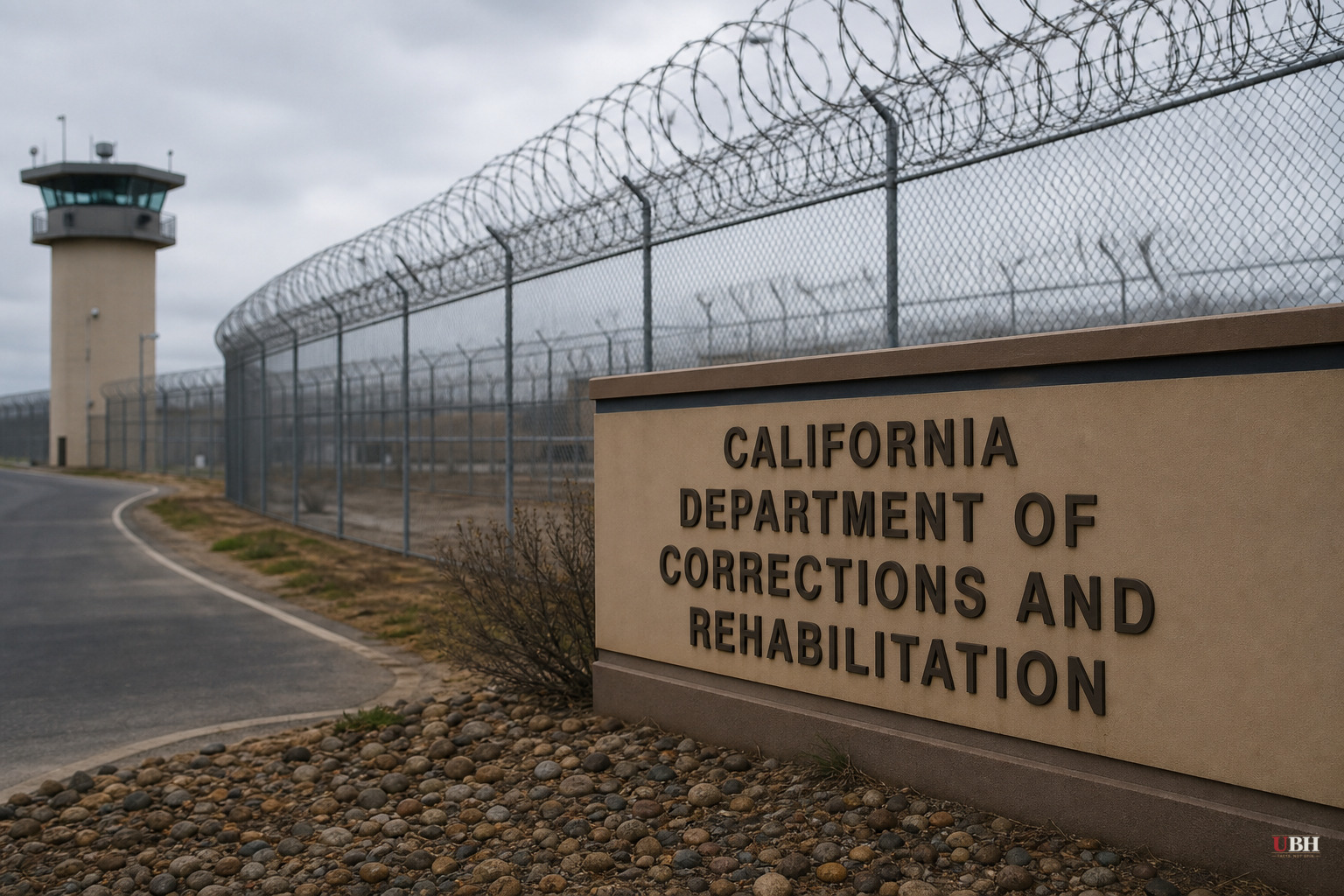
California's prison system knowingly let guards sexually abuse women inmates for decades and did almost nothing to stop it, according to a two-year U.S. Department of Justice investigation released Thursday.
The findings focus on two facilities: the Central California Women's Facility in Chowchilla and the California Institution for Women in Chino. According to the Los Angeles Times, federal investigators found the California Department of Corrections has been aware of sexual assault complaints since as far back as 2000.
U.S. Attorney Bilal Essayli didn't mince words. "The findings in this report are unacceptable," he said at a Thursday news conference, according to the LA Times. "They're unconscionable, and should serve as a turning point in California's failed state prison system, and the way they handle these types of allegations."
Essayli, appointed by President Trump as the top federal prosecutor in Los Angeles, said in a statement reported by the Associated Press that "the State must confront the persistent failure of its own employees to prevent and address sexual abuse at these facilities, and the systemic breakdowns that have permitted these conditions to persist."
The system meant to catch abuse was broken by design. Women were directed to report misconduct through an online system that wasn't confidential, according to the Associated Press, and the accused officers themselves had access to it. Harmeet Dhillon, assistant attorney general for the DOJ's Civil Rights Division, said women are "fully aware of this gap in confidentiality, and this serves as a deterrent from women reporting this misconduct."
Even the people investigating misconduct were part of the problem. Dhillon named at least one sergeant whose job was to investigate abuse complaints who was himself sentenced to 15 years in prison after pleading guilty to receiving child sexual abuse images while on the job, according to the AP.
In one case highlighted by federal investigators, a guard was convicted of abusing women over roughly a decade and sentenced to 224 years in prison. That reflects a system that let one man operate for ten years.
Dhillon summarized the investigation's conclusion bluntly: "The upshot of our investigation is that California's prison system, when it comes to women, has inadequate systems in place to deter, detect, and hold accountable rampant sexual misconduct and assault on female prisoners."
The DOJ's report found the failures violated inmates' 8th and 14th Amendment rights and that California failed to implement the federal Prison Rape Elimination Act, according to the LA Times. Investigators wrote that the state's failures "constitute deliberate indifference to the unconstitutional conditions that exist in the prisons."
What Happens Next
California now has 49 days to fix the problems the DOJ identified. According to the AP, the required fixes include expanded camera coverage, confidential reporting channels that don't route through the accused, and stronger investigative protocols. If the state doesn't act, the federal government can sue to force changes.
The California Department of Corrections and Rehabilitation did not respond to requests for comment from either the AP or the LA Times.
This investigation began under the Biden administration, according to the AP, and is being announced and enforced under a U.S. Attorney appointed by President Trump. The 224-year sentence and the 15-year sentence for the investigating sergeant are convictions, not allegations. The broader claim that the prison system "knowingly" exposed women to ongoing risk is the DOJ's legal conclusion after a two-year probe, not yet tested in court, since no lawsuit has been filed. California hasn't publicly disputed the findings, but the state also hasn't responded at all.
The Associated Press noted its own reporting years ago exposed a nearly identical pattern at a federal facility in Dublin, California, nicknamed the "rape club" by inmates, which was shut down after that investigation. That the same pattern turns up again in a state-run system, years later, raises an obvious question nobody in Sacramento has answered yet: how many other facilities look like this, and why did it take a federal investigation to force a 49-day deadline instead of California catching it first?
Sources used for this briefing
4 links from 4 independent newsrooms (syndicated copies of the same report count once)
These are the sources it draws on, linked so you can verify.


