
Unbiased headlines. Facts, not spin.
Every story is an unbiased news briefing written from 110+ sources across the spectrum — sources linked so you can verify it yourself.
 politics
Major Story (7/10)
July 6, 2026 at 11:08 PM
politics
Major Story (7/10)
July 6, 2026 at 11:08 PM
DOGE Hit Its July 4 Termination Date. It Claimed $215 Billion in Savings. Congress Wants to Audit That Number.
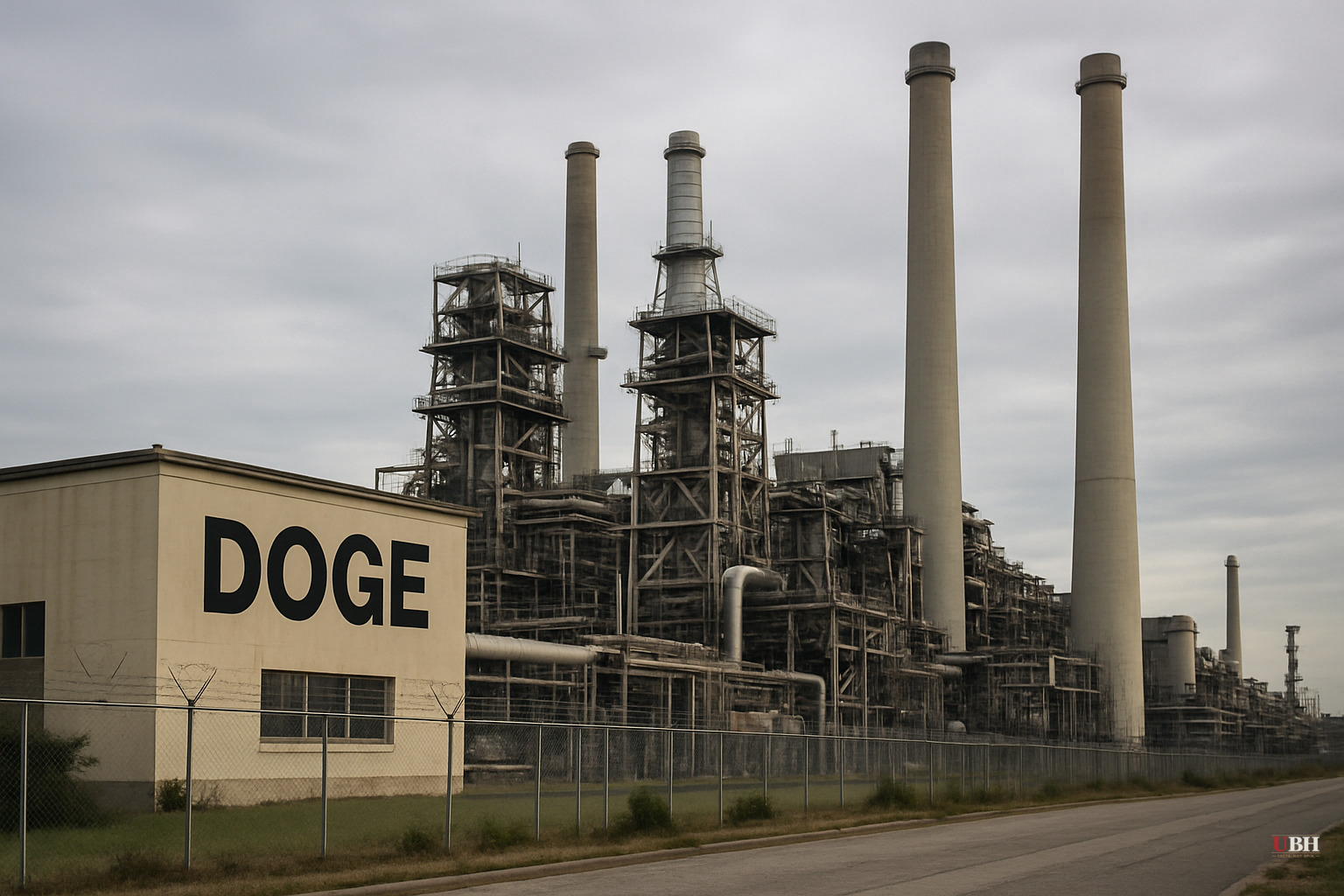
The Clock Ran Out as Designed
The U.S. DOGE Service Temporary Organization formally terminated on July 4, 2026, exactly when President Trump's January 2025 executive order said it would. Trump set the date himself, framing it as a 250th-anniversary gift to the country: "A smaller Government, with more efficiency and less bureaucracy," he said when he announced the initiative.
DOGE's final post on X read: "While the formal mission of DOGE has come to an end, the mission to eliminate waste, fraud and abuse will continue." According to Fox Business, the DOGE savings webpage listed $215 billion in estimated savings as of July 6.
The agency's website has since gone dark.
What It Actually Did
Over 18 months, DOGE embedded its own personnel across federal agencies, canceled contracts, terminated leases on underused office space, cut DEI grants, and drove a massive reduction in the federal workforce. The Office of Management and Budget, cited by Newsweek, reported that more than 260,000 federal employees left government service in 2025 as a direct result of Trump administration initiatives.
USAID was effectively dismantled. It still exists on paper, but its staffing and funding were gutted. The Social Security Administration, Health and Human Services, and the Department of Energy all had DOGE personnel embedded inside their data systems at various points, which generated a separate wave of litigation from federal unions.
Elon Musk, who led DOGE from the start of Trump's second term, stepped down in May 2025. "The DOGE mission will only strengthen over time as it becomes a way of life throughout the government," he said at the time. According to Newsweek, DOGE was already quietly folded into the broader federal agency architecture in late 2025, months before the July 4 charter expiration.
The $215 Billion Problem
DOGE's headline savings number deserves scrutiny. The agency started with a $2 trillion target, revised that down to $1 trillion, and ended up claiming $215 billion. Fox Business reported that DOGE's public receipts do not fully document the headline savings figure.
A San Antonio Express-News analysis, cited in reporting from Rep. John Larson's office, found that DOGE canceled at least $3.9 billion in federal contracts in Texas alone between January 2025 and the end of that year, with roughly $3.6 billion tied to San Antonio vendors. DOGE told the public those cuts would save more than $3.1 billion, but provided little detail on how those estimates were calculated.
Further complicating the math: in some cases, money from canceled contracts was reportedly returned to the agencies that remained legally obligated to spend it. This means the cancellations may not have produced the net savings DOGE claimed.
The White House hasn't backed away from the figure. Spokesperson Davis Ingle said in a statement to Politico: "President Trump was given a clear mandate to eliminate waste, fraud and abuse from the federal government. He has made significant progress in making the federal government more efficient to better serve the American taxpayer." Office of Management and Budget Director Russ Vought has indicated no final DOGE review is expected.
The Case for an Investigation
The strongest argument for congressional oversight isn't political. It's procedural. DOGE operated with enormous speed, broad access to federal data systems, and limited public documentation. Critics raising flags include CWA union president Claude Cummings, who alleged that DOGE's access to Social Security data created security vulnerabilities affecting seniors who rely on that income month to month, as well as workers who filed labor complaints. Those are specific, serious allegations about a real government system.
Rep. John Larson of Connecticut, along with Reps. Richard Neal and Joe Morelle, has called for a criminal investigation into potential DOGE misuse of Social Security data. A broader coalition is now pushing 75 House members to commit to hearings covering DOGE-approved contracts, potential conflicts of interest, and DOGE's use of artificial intelligence inside federal agencies.
Larson's framing—"This was never about efficiency. This was about privatization and getting their hands on that money"—goes beyond what the evidence currently supports. No charges have been filed, no investigation has been formally announced by DOJ or any inspector general, and Larson has not presented public documentation proving corrupt intent. His assertion is a political allegation, not a proven fact.
That said, the underlying oversight request is legitimate on its own terms. A temporary government body spent 18 months cutting contracts and accessing sensitive data, claimed hundreds of billions in savings it can't fully document, and is now gone. Congress has both the authority and the responsibility to verify those numbers regardless of which party is asking.
What's Actually Unresolved
The core question as of July 6, 2026: did DOGE's $215 billion savings figure represent real, permanent reductions to federal spending, or did accounting choices, returned contract funds, and undocumented cuts inflate that number?
No independent audit of DOGE's savings claims has been completed or announced. Vought's statement that no final DOGE review is expected means that figure may stand unchallenged, or get tested only if Congress forces the issue.
Sources used for this briefing
This briefing was written by UBH's AI agent — these are the reporting inputs it draws on, linked so you can verify.


