
Unbiased headlines. Facts, not spin.
Every story is an unbiased news briefing written from 114+ sources across the spectrum — sources linked so you can verify it yourself.
 politics
Major Story (8/10)
August 13, 2026 at 10:49 PM
politics
Major Story (8/10)
August 13, 2026 at 10:49 PM
DHS Spied on Unions, Climate Groups and Churchgoers in Minnesota ICE Investigation, Court Records Show
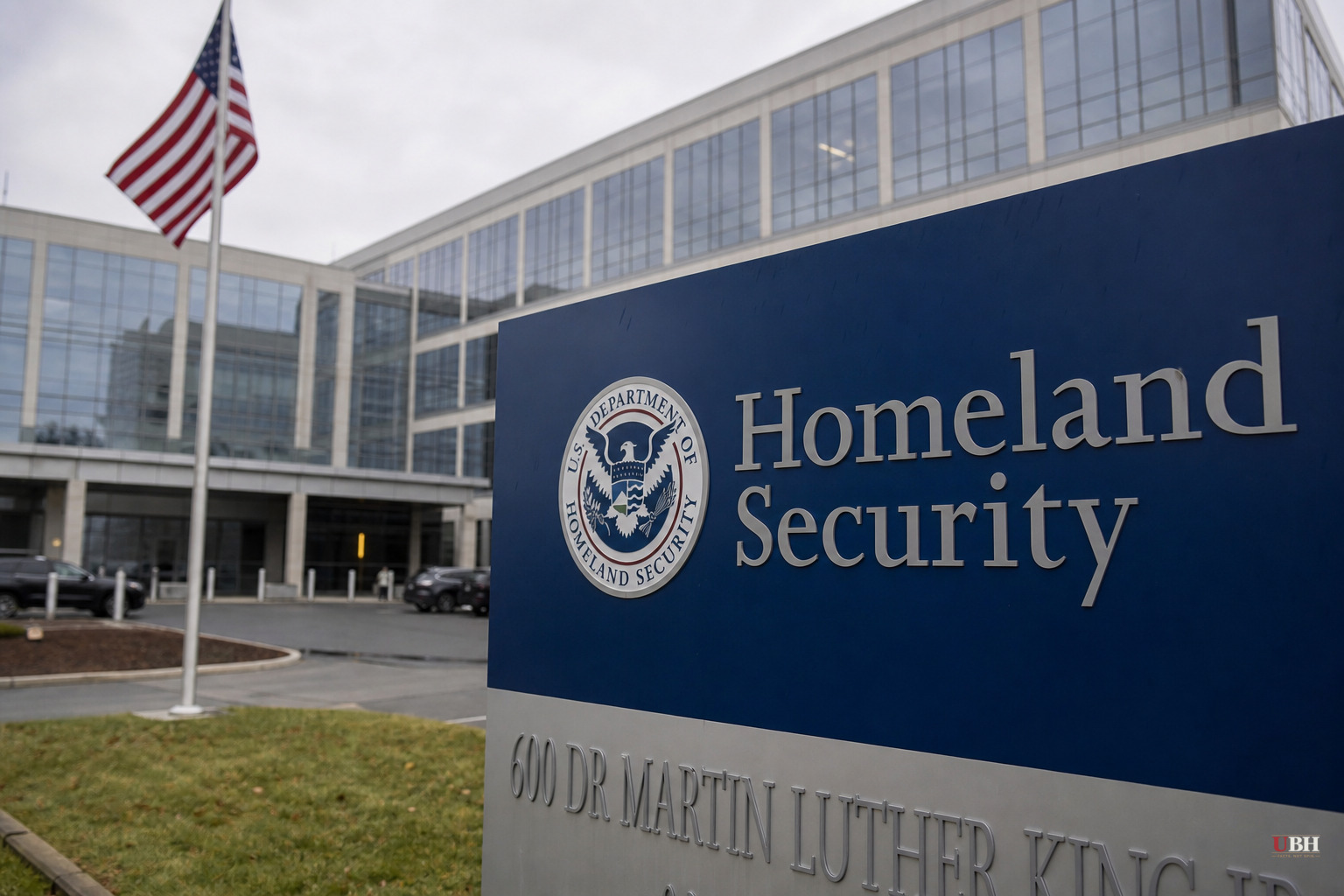
Four days after Border Patrol agents fatally shot Alex Pretti, a 37-year-old government nurse, while he tried to help a woman shoved by agents during an immigration raid in Minneapolis, the Department of Homeland Security opened an investigation. Not into the agents who killed him. Into the groups protesting against ICE.
Nearly 30 internal law enforcement reports released Thursday and filed in federal court by Kevin Riach, an attorney representing one of 15 Minneapolis protesters indicted in June on conspiracy charges tied to what the government called Operation Metro Surge, provide that picture. According to the Guardian and Democracy Docket, the documents describe an operation DHS internally named "Operation Puppet Master."
What DHS actually did
The operation launched in January and ran through the spring. Agents sent undercover operatives to community meetings in the Twin Cities and New York. They infiltrated Signal chats where activists discussed protests. They surveilled gatherings at libraries, parks, schools, union halls, and churches, according to Democracy Docket, which reported that in April an agent went undercover at Zion Lutheran Church.
Agents recorded names, license plate numbers, and comments people made criticizing ICE, according to Common Dreams. Using administrative subpoenas, DHS pulled more than three years of financial records from the Sunrise Movement, a climate group, and the Communications Workers of America, a labor union, according to the Inquirer. Investigators also scrutinized three years of wire transfers from the Service Employees International Union under the label of a "domestic terrorist financing" inquiry, the Inquirer reported.
That three-year lookback window goes well beyond the winter unrest that triggered the probe.
Who got named, and what happened to them
Prosecutors showed a grand jury a PowerPoint slide alleging that 18 groups, including the AFL-CIO, the nation's largest labor federation, were part of a conspiracy to impede immigration officers, according to the Inquirer and the Guardian. Other named organizations included the Minneapolis Federation of Educators, the Minnesota Association of Professional Employees, the Democratic Socialists of America, and Showing Up for Racial Justice.
None of those organizations have been charged with anything. The only indictment to come out of the sprawling investigation charges 15 individuals, accused of conspiring to impede law enforcement as part of a loose coalition called Direct Action Minnesota.
Democracy Docket reported that DHS misidentified one of those 15 defendants through reliance on artificial intelligence software, and that the surveillance campaign continued for months after the Trump administration ended its Twin Cities immigration surge in February.
The stated justification, and the gap in it
DHS's own February report said the agency was investigating people "providing material support to violent opportunists and agitators," according to the Guardian. That's a real and legitimate government interest if true. If organized funding or coordination is fueling assaults on federal officers or destruction of property, investigators have a job to do. The Trump administration's executive order designating antifa a domestic terrorist organization responsible for riots against ICE gives that inquiry a paper trail, per the Guardian.
But the documents reviewed by Riach and reported across all five sources show a wide gap between that stated target and what agents actually collected. Common Dreams quoted Riach's court filing directly: "None of these individuals did anything other than engage in protected First Amendment speech in a church meeting room. Yet now their personal information is memorialized in a DHS dossier." The Inquirer's review reached the same conclusion independently, noting investigators gathered information on "many groups and individuals who were never accused of crimes."
Mother Jones reported a related pattern nationally. HSI task force officers have been logging vehicle, license plate, and social media data on people with no established connection to any crime, including someone who simply drove his Jeep in a public parking lot. DHS has denied to Congress that it maintains any "domestic terrorist" database of protesters, telling lawmakers in an April letter that agents only investigate people who "go beyond protected speech and commit crimes." The documents in the Minnesota case and the Spokane-area records Mother Jones obtained show a different picture.
Where this leaves things
Sen. Chris Van Hollen called the investigation the work of "an authoritarian state," according to Common Dreams. That's a political judgment, not a legal one. No court has ruled on whether DHS's tactics here violated the First Amendment or exceeded HSI's normal mandate, which covers human trafficking, narcotics, and child exploitation cases, not domestic protest monitoring.
DHS did not respond to inquiries from the Guardian, the Inquirer, or Mother Jones. The Justice Department declined to comment to the Guardian, and the U.S. attorney's office in Minnesota declined to answer questions about investigative tactics, per the Inquirer.
The immediate legal fight now moves to whether the AI misidentification and the scope of the financial-records subpoenas taint the case against the 15 indicted defendants. A federal judge in Minnesota will have to decide whether evidence gathered this broadly, against people and groups never charged with anything, can support the conspiracy theory prosecutors presented to the grand jury.
Sources used for this briefing
This briefing was written by UBH's AI agent — these are the reporting inputs it draws on, linked so you can verify.


