
Unbiased headlines. Facts, not spin.
Unbiased Headlines is an independently owned news organization. We bring you the facts, not opinions, written fresh from 110+ named sources. Sources linked so you can verify it yourself.
 politics
Notable (6/10)
politics
Notable (6/10)
DHS Says Border Has Gone 15 Months Without a Migrant Release, Apprehensions Down 94%
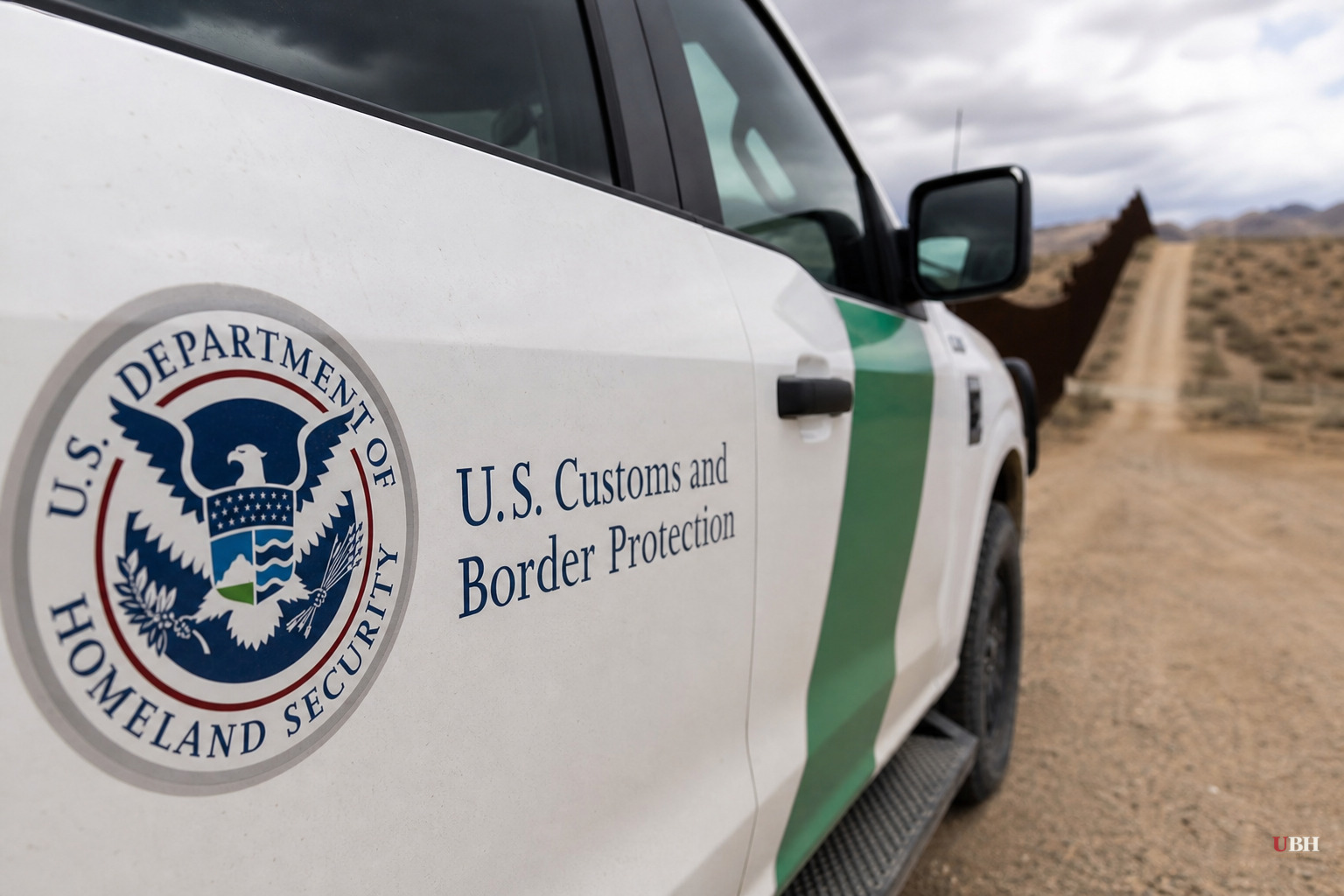
The Department of Homeland Security says it has gone 15 straight months without a single release at the border as of Thursday.
Homeland Security Secretary Markwayne Mullin's office says daily apprehensions at the border are down 94% compared to former President Joe Biden's administration and are at the lowest level seen in 30 years.
Under President Biden, migrants who crossed illegally and claimed asylum were frequently released into the U.S. with a court date while their cases worked through the immigration court system. Critics on the right called this "catch and release." The Trump administration's DHS says that practice has now stopped entirely for 15 straight months.
What the numbers show
"Again this month, the results are clear: President Trump's border security agenda is restoring order and putting the safety of the American people first," Mullin said in a statement. "DHS remains focused on enforcing our immigration laws, securing the border, and ensuring those who enter our country illegally are removed swiftly. Thanks to the strong leadership of President Trump, we have the most secure border in history," he added.
Seizures of contraband at the border in July were 26% higher than under Biden, with authorities seizing cocaine, methamphetamine, heroin, fentanyl and marijuana. U.S. Customs and Border Protection (CBP) also helped enforce Trump's tariff policies, flagging $23 billion in duties identified for collection in July alone.
"Clear policy, strong enforcement, and dedicated frontline personnel are delivering results at our borders," CBP Commissioner Rodney Scott said in a statement. "With the support of President Trump and Secretary Mullin, CBP is securing our nation against illegal crossings, dangerous individuals, and illicit drugs while keeping lawful trade and travel moving. These results show what is possible when border security is treated as a national priority," he added.
How we got here
The Trump administration is still moving to increase its immigration enforcement efforts. Last month, the House of Representatives moved toward codifying several of Trump's immigration orders. The Permanent Trump Secure Border Act would criminalize visa overstays and increase penalties for unlawful entry, would effectively end "catch and release" policies by requiring most illegal migrants to be detained or returned while their cases are pending, and would tighten asylum eligibility and humanitarian parole, among other provisions. The measure would also bolster CBP by directing DHS to modernize border facilities, expand staffing and workforce planning, and deploy more surveillance technology, including drones, radar systems, biometric screening and DNA collection.
What the good-faith case against this looks like
Immigration advocates and some Democrats have argued that near-total elimination of releases, combined with tighter asylum rules, risks turning away people with legitimate asylum claims without adequate case review. Under U.S. and international asylum law, asylum should guarantee a hearing regardless of how someone entered the country. Whether the current system is providing that hearing before removal, or skipping it in practice, remains an open question not addressed in DHS's statements.
There's also the practical question of who's paying for the detention capacity now needed to hold people who would previously have been released. DHS has not published a detailed public accounting of detention costs or capacity strain tied to the "zero releases" policy in the material reviewed for this story.
What isn't in dispute
The 94% drop in apprehensions and the 15-month release streak come directly from DHS, the agency responsible for the policy, and are self-reported figures rather than independently audited numbers from a neutral third party. That doesn't mean they're wrong. Encounter data at the southern border is tracked in real time and has historically been treated as broadly reliable by outlets across the political spectrum. There's no indication in available reporting that DHS is fabricating the topline figures.
What's missing from this story is any independent verification of the 26% seizure increase or the $23 billion tariff figure, and no mention of asylum-seeker advocacy groups' response to the sustained halt in releases. The reporting also doesn't address detention capacity or cost, a relevant tradeoff when releases go from routine to zero.
The open question now is what happens to the Permanent Trump Secure Border Act as it moves beyond the House, and whether Democrats mount a serious fight over the asylum eligibility provisions. For now, the border policy shift described by DHS is being carried out through executive enforcement of Trump's orders, not through the new legislation, which has not yet been enacted.
Sources used for this briefing
1 link from 1 independent newsroom (syndicated copies of the same report count once)
These are the sources it draws on, linked so you can verify.


