
Original briefings. Zero spin.
Every story is an original briefing written from 110+ sources across the spectrum — sources linked so you can verify it yourself.
 health
Low Interest (3/10)
September 14, 2026 at 04:18 AM
health
Low Interest (3/10)
September 14, 2026 at 04:18 AM
Dentists Say More Young People Are Grinding Their Teeth. No Hard Data Proves It Yet
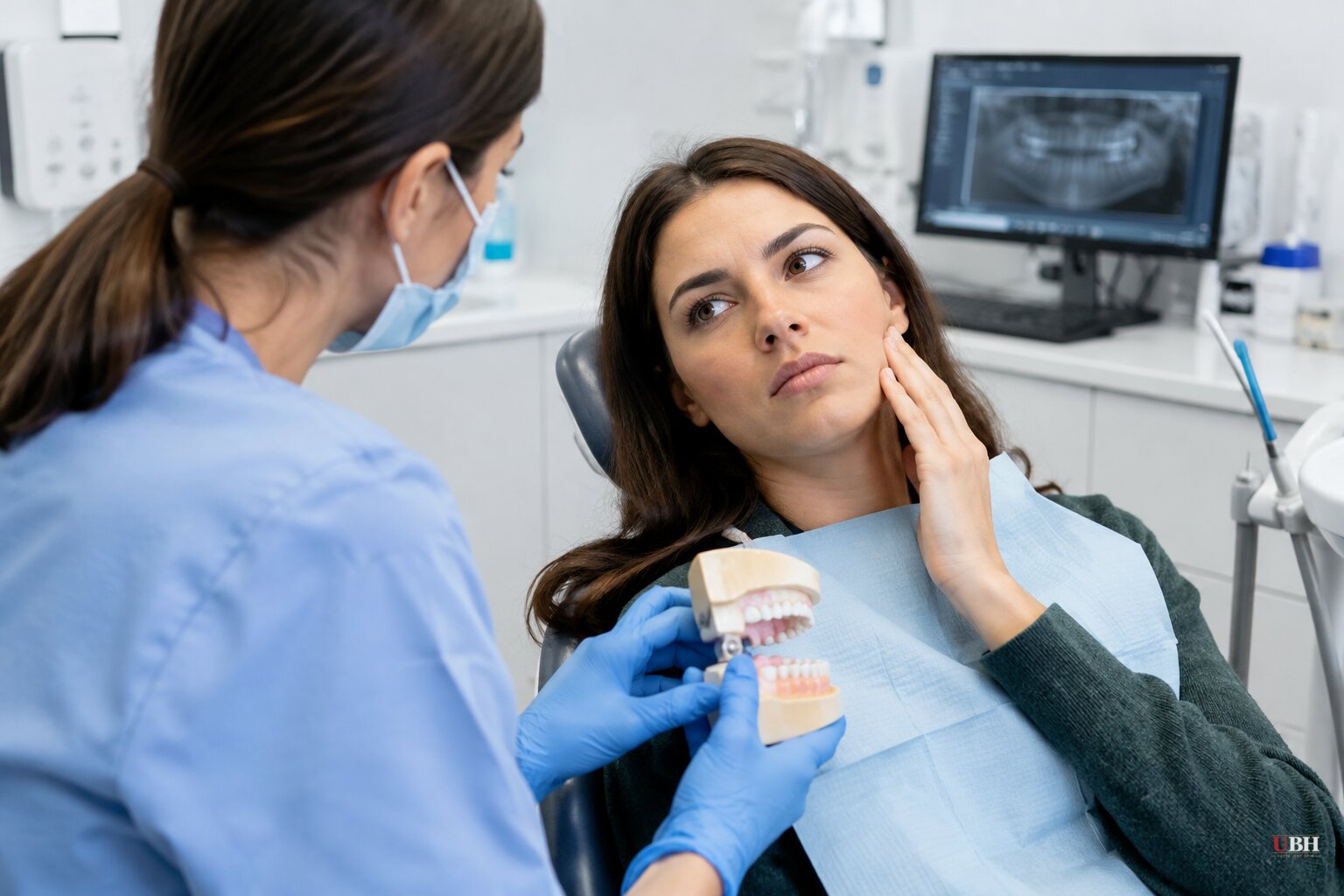
Millions of people clench or grind their teeth and don't know it until a partner complains about the noise or a dentist points out the damage. Now a wave of health coverage, most of it tracing back to a single BBC report by health reporter Ruth Clegg, claims the condition is on the rise among young people. The claim deserves a closer look before anyone panics.
What Dentists Are Actually Seeing
Dr. Aditi Desai, president of the British Society of Dental Sleep Medicine, told the BBC bruxism is "definitely on the rise," and blamed modern stress levels. That's a dentist's clinical impression, not a study.
The British Dental Association, which represents UK dentists, was more careful. It told the BBC there is "anecdotal evidence" bruxism is becoming more common, but "no specific figures" back that up. Most of the outlets that picked up this story buried it or dropped it entirely.
Prevalence estimates themselves are all over the map. The BBC and a GhanaWeb summary of the same report cite studies suggesting nearly one in four people experience bruxism. Other coverage, including pieces from Times of India and Press News Agency that closely mirror the BBC's language, put the figure at "more than one in five." Neither number is new data showing an increase over time. They're prevalence snapshots, and different studies measure the condition differently.
The Human Cost Is Real, Even If the Trend Line Isn't Proven
Whatever the actual growth rate, bruxism does serious damage to people who have it. Ella, a 31-year-old bruxism patient featured in the BBC's reporting, described her molars visibly disappearing and her face changing shape from years of grinding. She eventually paid for Botox injections into her masseter muscles, the muscles that power the jaw, to relax the tissue and cut the pain. She called the treatment life-changing.
Prosthodontic specialist Riaz Yar said patients showing up in specialized practices commonly arrive with worn, cracked, and repeatedly failing dental work, according to a report from Memesita. Yar noted jaw pain and poor sleep in these patients need their own clinical assessment rather than getting automatically pinned on the grinding.
Dr. Dena Fischer, a dental health expert at the National Institutes of Health, said people often grind or clench without any awareness they're doing it, sometimes finding out only when a partner mentions the noise, according to time.news. She pointed to a common daytime trigger: sitting in traffic.
What's Actually Driving It
The UK's National Health Service lists stress, anxiety, and poor sleep as core drivers, with caffeine, alcohol, and smoking as aggravating factors. Psychotherapist Rahi Popat told the BBC his younger clients increasingly connect their grinding to specific stressful periods in their lives, describing it as a physical release valve. The jaw and nervous system are wired together through cranial nerves, so a body in fight-or-flight mode clenches the muscles that happen to control the teeth.
Popat's clinical observation reflects a broader trend the British Association for Counselling and Psychotherapy has noted: people, especially younger patients, are more attuned to how stress shows up physically. That alone could explain more grinding getting reported without more grinding actually happening. More awareness of a symptom is not the same thing as more of the underlying condition.
The Skeptical Case
A reasonable skeptic would point out that nearly every outlet running this story, including Ghana Web, Archynewsy, Times of India, and Press News Agency, is repackaging the same BBC report and the same two named sources: Desai and Popat. When the trade association representing the profession itself says the evidence is anecdotal, treating this as an established epidemic is getting ahead of the facts.
That skepticism doesn't erase the condition. Bruxism is a documented medical issue with real consequences: cracked teeth, jaw pain, morning headaches, and worn enamel. The NHS advises seeing a dentist if teeth become suddenly sensitive or if someone else notices you grinding at night.
What's missing is a longitudinal study tracking bruxism rates in young people over time. Until the British Dental Association or a comparable body produces actual figures, "dentists say it's rising" remains a clinical hunch worth taking seriously, not a confirmed trend.
Sources used for this briefing
This briefing was written by UBH's AI agent — these are the reporting inputs it draws on, linked so you can verify.


