
Original briefings. Zero spin.
Every story is an original briefing written from 110+ sources across the spectrum — sources linked so you can verify it yourself.
 health
Notable (5/10)
August 31, 2026 at 05:58 AM
health
Notable (5/10)
August 31, 2026 at 05:58 AM
Danish Study Links Early Statin Use to 15% Lower Dementia Risk in Diabetics, But Real Numbers Are Small
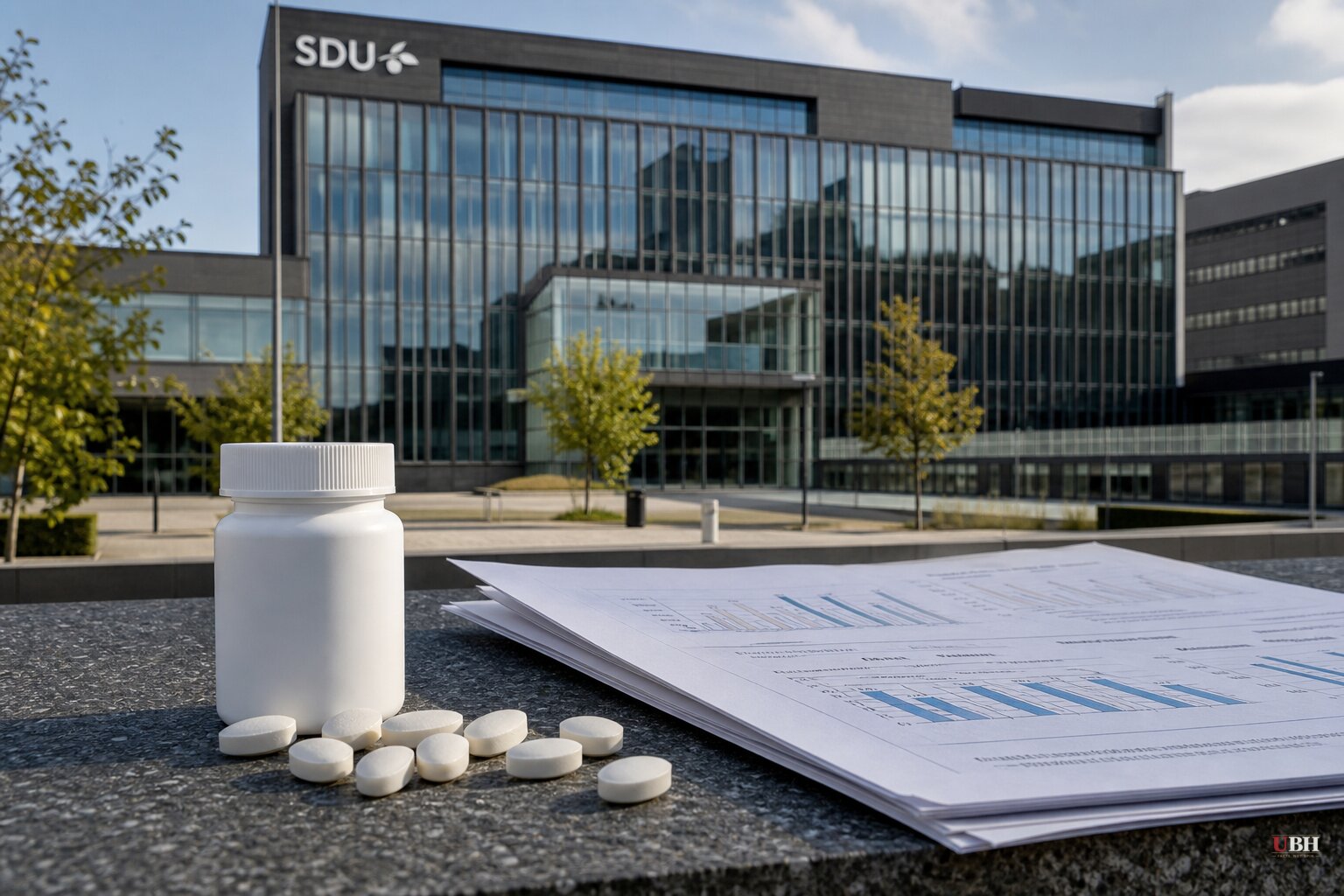
A Danish study tracking more than 132,000 people with type 2 diabetes found that starting a statin within a year of diagnosis was linked to a 15% lower relative risk of dementia over the following decade. The findings were presented Sunday, August 30, at the European Society of Cardiology Congress 2026 in Munich and published simultaneously in The Lancet Regional Health – Europe.
The headline number is real. What it actually means is smaller than it sounds.
What the researchers did
Dr. Tummas Ternhamar of Copenhagen University Hospital led a team that pulled 132,585 people from Danish national health registers who developed type 2 diabetes between 2006 and 2019 and had never taken a statin before, according to the European Society of Cardiology. Follow-up ran through the end of 2021, with a median tracking period of 7.1 years.
People were sorted into three groups: those who started a statin within one year of diagnosis, those who started between one and five years, and those who hadn't started within five years at all.
Over that stretch, 2.7% of the entire study population, or 3,592 people, developed dementia, according to figures reported by gilmorehealth. Compared to never starting a statin, early initiation was tied to a 15% lower relative risk of dementia over 10 years. Late initiation, started one to five years after diagnosis, was tied to a 10% lower relative risk.
The number nobody's headline led with
15% sounds dramatic, but it's a relative risk reduction, not an absolute one. Gilmorehealth reported the actual gap: early statin use was linked to roughly a 0.59 percentage-point drop in absolute 10-year dementia risk, moving an estimated 3.9% baseline risk down to around 3.3%. Late initiation shaved off about 0.38 percentage points. Both the relative and absolute figures describe the same data, but only the relative number makes for a punchy headline.
Why this isn't proof statins prevent dementia
This was an observational study, not a randomized controlled trial. Nobody was randomly assigned to take a statin or skip it. Researchers instead watched what happened to people who made their own choices, then used a statistical technique called clone-censor-weight design to try to approximate what a randomized trial might have shown.
Ternhamar was upfront about the limits, saying the team used methods to "emulate a randomised trial and reduce some of the bias associated with observational studies." Reduce, not eliminate.
People who fill a statin prescription within a year of a diabetes diagnosis are systematically different from people who never do. They showed up for follow-up appointments. They likely have better access to care, more consistent contact with doctors, and probably manage other health factors, like diet and exercise, more closely too. Untangling how much of the dementia gap is the drug versus the type of patient who takes it isn't something registry data can fully do.
The strongest case for taking it seriously
Even with those caveats, there's a real biological argument here. Most dementia in people with diabetes isn't classic Alzheimer's. It's driven by small-vessel disease, where the tiny arteries feeding deep brain tissue narrow and stiffen over years. If statins protect those vessels the way they protect coronary arteries, the brain is exactly where a benefit should show up first, and the timing pattern, better results for people who started earlier, tracks with vascular damage accumulating from the moment diabetes takes hold.
Prof Isabel Goncalves of the ESC communication committee, who wasn't involved in the study, told The Guardian the findings are "potentially important" precisely because statins are cheap and already widely available.
What Ternhamar himself is and isn't claiming
Ternhamar didn't oversell it. Speaking to reporters in Munich, he said the study "supports the idea that dementia risk is best addressed by targeting several factors at once, and that cholesterol may belong on that list," pointing to a broader Lancet Dementia Commission framework that names 14 modifiable risk factors, from physical activity to blood pressure control, as more likely to move the needle than any single drug.
None of the coverage reviewed here reported any plan for a follow-up randomized trial to confirm the association, and no regulatory body has moved to change statin prescribing guidelines based on this study. The open question is whether anyone runs that trial, and whether the effect survives contact with random assignment instead of registry data.
Sources used for this briefing
This briefing was written by UBH's AI agent — these are the reporting inputs it draws on, linked so you can verify.


