
Original briefings. Zero spin.
Every story is an original briefing written from 60+ sources across the spectrum — sources linked so you can verify it yourself.
 health
Major Story (7/10)
August 7, 2026 at 06:52 PM
health
Major Story (7/10)
August 7, 2026 at 06:52 PM
Cyclospora Outbreak Hits 47 States, Exposes Cracks in FDA Food Safety System
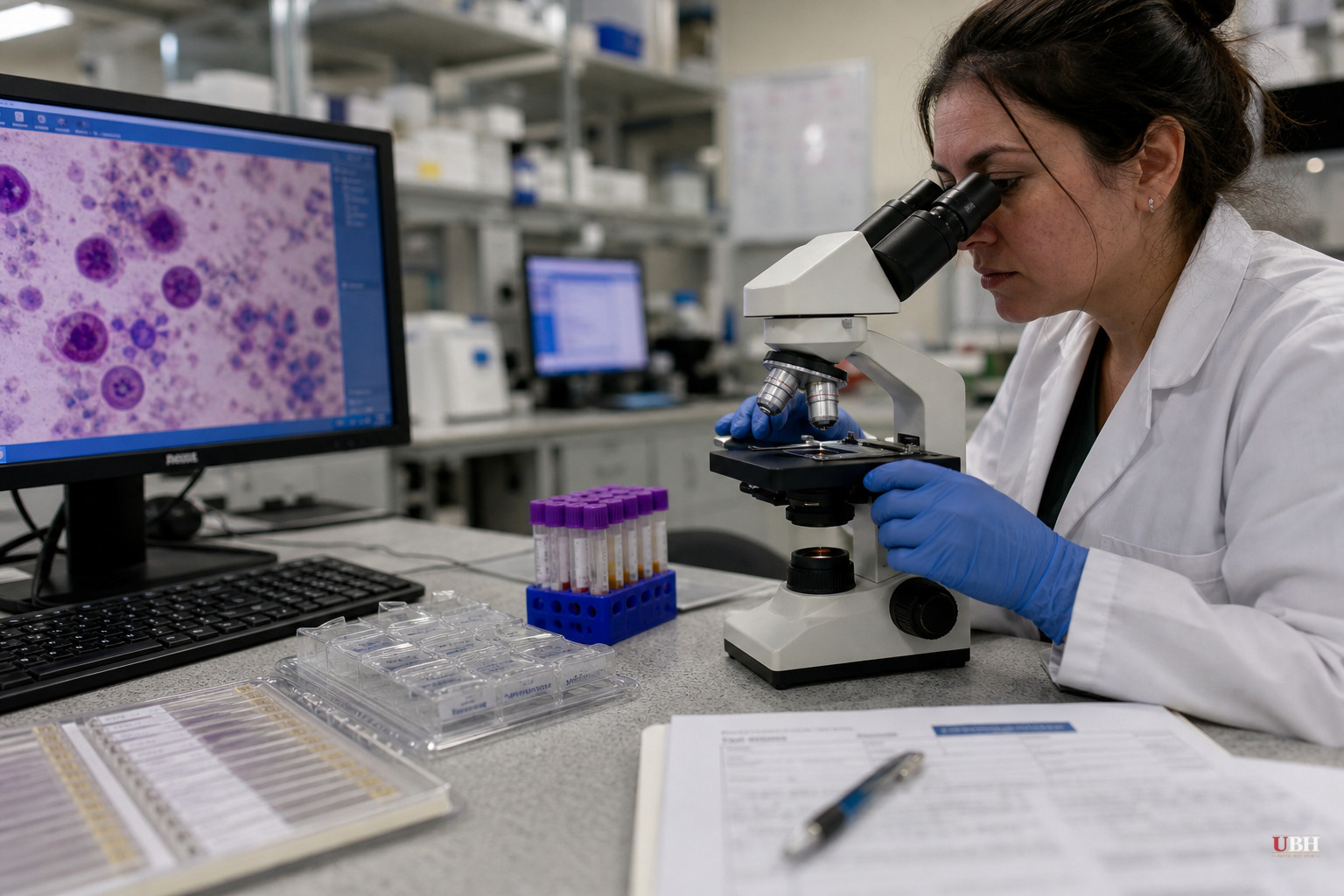
A cyclospora outbreak that started in mid-May has now spread illness across 47 states, according to CNBC. Tens of thousands of people have reported getting sick. Months later, the source hasn't been fully contained, and pressure is building on the FDA to explain why.
Cyclospora is a parasite usually linked to contaminated fresh produce, things like cilantro, basil, and berries imported from regions with less rigorous water and sanitation standards. It causes watery diarrhea, cramping, and fatigue that can last for weeks if untreated. Outbreaks tied to imported produce have hit the U.S. repeatedly over the past decade.
What's different this time, according to CNBC's reporting, is the scale. Cases in 47 states means this isn't a regional supply chain problem. It's national. And it's taken months to even get a handle on it.
Why This Keeps Happening
CNBC spoke with experts who say America's food safety system has been fraying for years, not months. The core issue is structural. Food safety oversight in the U.S. is split between the FDA, which handles most produce, and the USDA, which handles meat, poultry, and eggs. That division alone creates gaps. A product that crosses both categories, or a contamination event that touches multiple food types, can fall into a jurisdictional gray zone.
Then there's inspection capacity. The FDA has long acknowledged it can only physically inspect a small fraction of the food facilities under its authority in any given year, domestic and foreign combined. Imported produce, which is where cyclospora contamination most often originates, gets even less scrutiny than domestic product. When a shipment of contaminated cilantro or berries clears the border, the odds it gets caught before hitting store shelves are not great.
Traceability is another weak link. When an outbreak hits, investigators have to work backward through the supply chain, restaurant to distributor to grower, often relying on paper records or fragmented data systems. That process can take weeks. By the time officials pinpoint the source, the tainted product has often already moved through the system and off shelves, making it harder to pull remaining inventory or warn consumers in time.
The Real Debate
There's a legitimate argument that this is fundamentally a resource and coordination problem, not a regulatory-philosophy problem. Nobody serious is arguing the FDA doesn't want to catch contaminated food. The constraint is bandwidth: too many facilities, too many imports, too few inspectors, and a tracing system still catching up to the 21st century.
There's also a fair conservative critique buried in this story that CNBC's piece doesn't fully explore: more inspectors and more federal mandates aren't automatically the fix if the underlying problem is that a huge share of America's fresh produce comes from countries with weaker food safety standards than the U.S. requires domestically. Tightening import scrutiny at the border and holding foreign suppliers to the same standard American farms are held to is a different lever than just funding more FDA staff. That's a policy conversation about import standards and trade enforcement, not just agency budgets, and it deserves equal billing.
CNBC's report establishes that the outbreak is real, multistate, and ongoing, and that experts see structural weaknesses in the inspection and traceability system. What it doesn't establish, at least in what's been reported, is a definitive single source for this specific outbreak. Investigators may still be working that down. Until the FDA or CDC names a confirmed source, any claim about exactly which product or supplier caused this round of illness is not yet established fact.
What Happens Next
The FDA has faced this kind of criticism before, most notably after a string of leafy green E. coli outbreaks in recent years that prompted calls for a centralized, single food safety agency instead of the current FDA-USDA split. Those calls have gone nowhere in Congress so far.
For now, the unresolved question is whether this outbreak, given its scale across 47 states, finally generates enough political pressure to force structural reform, or whether it fades the way past outbreaks have, with a recall notice, a public health advisory, and no lasting change to how imported produce gets checked before it reaches American kitchens. The CDC and FDA have not announced a timeline for closing out the investigation.
Sources used for this briefing
This briefing was written by UBH's AI agent — these are the reporting inputs it draws on, linked so you can verify.

