
Unbiased headlines. Facts, not spin.
Every story is an unbiased news briefing written from 110+ sources across the spectrum — sources linked so you can verify it yourself.
 health
Low Interest (3/10)
August 10, 2026 at 06:04 AM
health
Low Interest (3/10)
August 10, 2026 at 06:04 AM
Cyberbullying Hides in Plain Sight: What Parents Actually Need to Watch For
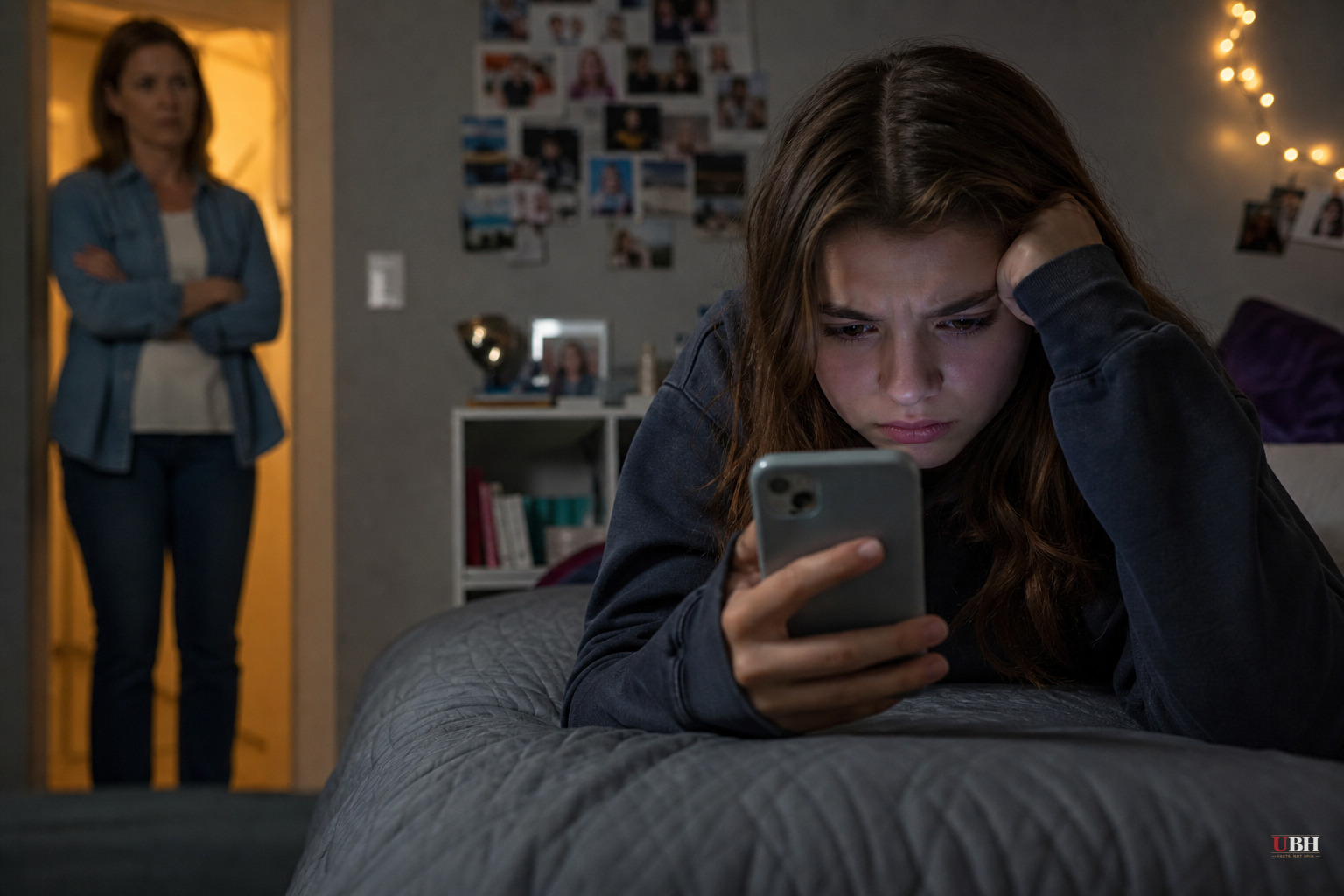
Cyberbullying doesn't announce itself. It shows up as a joke that goes too far, a screenshot passed around a group chat, or a fake account built to humiliate one kid in front of everyone else.
According to Fox News, the warning signs aren't always obvious. Some kids hide what's happening to them. Others take part in the pile-on without realizing they've crossed a line, hiding behind "it was only a joke."
The Centers for Disease Control and Prevention defines bullying as unwanted aggressive behavior involving a real or perceived power imbalance, one that repeats or has the potential to repeat over time. That definition matters because it draws a line between normal kid friction and something that does lasting damage.
Child and adolescent family therapist Darby Fox, cited in the Fox News report, points to new research showing a split in how teens experience social media. Some find real value in platforms like Snapchat for maintaining friendships. But most encounter harassment or bullying on TikTok, Instagram, and similar apps. Both things are true at once. The same platforms that keep friend groups connected are the ones where harassment spreads fastest.
Why This Is Hard for Parents to Catch
Group chats are private by design. Screenshots get deleted. Reactions and comments disappear into a scroll that parents rarely see. A rumor can spread through a school in hours without a single adult noticing anything wrong.
Cybersecurity advice for families has spent years focused on passwords, antivirus software, and parental control apps. Those tools matter, but they don't address what happens when the threat isn't a stranger online, it's a classmate.
Fox News' report argues that protecting kids requires conversations about empathy, privacy, and consequences, not just software. A firewall doesn't stop a kid from screenshotting an embarrassing photo and sending it to forty people.
What Parents and Grandparents Can Actually Do
The Fox News piece suggests grandparents can serve as a second line of defense, someone a kid might talk to when they're too nervous to tell Mom or Dad. Plenty of teenagers avoid telling parents about problems because they're afraid their phone will get taken away, which often makes them hide problems deeper rather than come forward.
Strict monitoring gets recommended as a baseline. But monitoring alone doesn't work if a kid feels like they can't talk to the adults checking their phone. The advice that actually holds up: keep dialogue open, don't treat every disclosure as a punishment, and treat the first conversation as more important than the software.
What's Missing From the Conversation
The source material leans heavily on parental vigilance and family conversation, which is sound advice, but it stops short of addressing school policy or platform accountability. TikTok, Instagram, and Snapchat all have reporting tools for harassment, but enforcement is inconsistent and slow, according to years of reporting from tech and education outlets. None of that gets addressed here.
There's also no mention of the legal landscape. Several states have passed laws requiring schools to have anti-cyberbullying policies, and some have created civil liability for platforms that fail to act on reported harassment. Parents dealing with a real cyberbullying situation involving their child may have more recourse than a single conversation at the dinner table, including reporting to school administrators, filing complaints directly with platforms, and in serious cases involving threats or stalking, contacting local law enforcement.
The Open Question
Nobody has a clean answer for how much monitoring is too much, or when a "joke" in a group chat becomes something a school or the police need to know about. The CDC's power-imbalance standard gives parents a framework, but applying it requires actually seeing the messages, which is exactly what group chats are built to hide from adults in the first place.
For families dealing with this now, the practical starting point is simple: ask before there's a crisis, not after. The alternative is finding out secondhand, from another parent or a school counselor, that something had been going on for weeks.
Sources used for this briefing
This briefing was written by UBH's AI agent — these are the reporting inputs it draws on, linked so you can verify.


