
Unbiased headlines. Facts, not spin.
Unbiased Headlines is an independently owned news organization. We bring you the facts, not opinions, written fresh from 110+ named sources. Sources linked so you can verify it yourself.
 health
Major Story (7/10)
Event date: October 16, 2026 ·
CVS Agrees to Pay $315 Million to Settle DOJ Opioid Claims, Admits No Wrongdoing
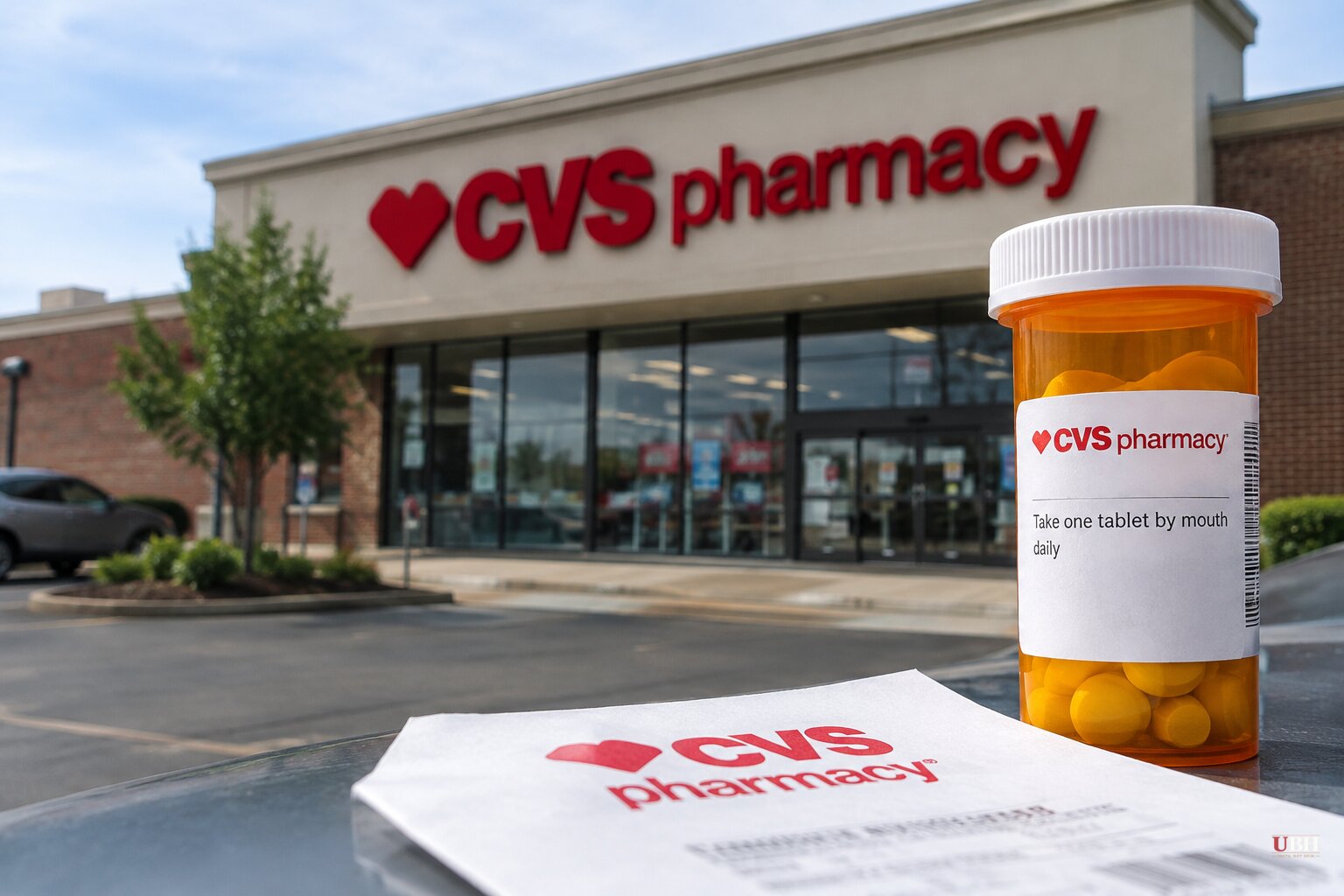
CVS Pharmacy Inc. and related entities agreed Tuesday, Oct. 13, to pay $315 million to settle a federal case over how its pharmacies dispensed opioids and other controlled substances. The company says it did nothing wrong.
The settlement resolves allegations that CVS violated the Controlled Substances Act and the False Claims Act between Oct. 17, 2013, and Dec. 2, 2025. The settlement agreement states that the claims "are allegations only" and that "there has been no determination of liability."
What the government alleged
The Justice Department filed its 97-page civil complaint on Dec. 13, 2024, in federal court in Rhode Island. It alleged CVS knowingly filled prescriptions that lacked a legitimate medical purpose, were invalid, or were not issued in the usual course of professional practice.
Prosecutors pointed to dangerous quantities of opioids, early refills, and "trinity" combinations of an opioid, a benzodiazepine and a muscle relaxant. They also alleged CVS filled prescriptions from known "pill mill" prescribers despite red flags.
Many of those prescriptions were then billed to Medicare, Medicaid, TRICARE and other federal programs, according to the complaint. That billing is what brought the False Claims Act into play.
The government also alleged that corporate policy was part of the problem. Prosecutors said incentive pay, thin staffing and productivity metrics pushed pharmacists to fill quickly rather than verify. They said company policies kept pharmacists from warning one another about problem prescribers.
CVS's response
CVS rejects the case. "We strongly disagree with the claims made in this case, and our settlement with the DOJ admits no wrongdoing," a company spokesperson said. The spokesperson added that CVS has implemented "best-in-class and first-of-their-kind programs" to help pharmacists make decisions on behalf of patients.
That is consistent with the company's position when the suit was filed. In 2024, CVS said pharmacists were being held to "vague, undefined, and ever-changing standards of practice."
The case also changed hands politically. The complaint was filed under the Biden administration. The settlement was announced under the current Justice Department.
Terms and officials' statements
Associate Attorney General Stanley E. Woodward Jr. called the deal "a significant milestone" in efforts to crack down on pharmacies that unlawfully fill controlled-substance prescriptions. Brett Shumate, who leads the Civil Division, said the agreement requires "additional safeguards" so that such drugs are dispensed only when medically appropriate. Cheri Oz, a DEA assistant administrator, said the deal reflects DEA's commitment to holding CVS accountable.
Beyond the payment, CVS signed a memorandum of agreement with the DEA. It requires:
- A hotline for employees and the public to report suspected illegal dispensing
- Proactive monitoring of prescribing patterns
- A process to evaluate prescribers suspected of illegal practices
- Blocking controlled-substance prescriptions from prescribers whose DEA registration or state license has been suspended or revoked
- Blocking a prescriber across CVS retail pharmacies when concerns remain unresolved after review, unless the law prohibits it
CVS must report blocked prescribers. The memorandum does not expressly require it to assess what happens to those prescribers' patients afterward.
The whistleblower
The case began in 2019 as a False Claims Act suit filed by Hillary Estright, a former CVS employee from Tennessee. The government intervened and took over the litigation. The law lets whistleblowers receive a share of any recovery, but the amount awarded in this case has not yet been determined.
The patient question
A MedPage Today analysis raises a gap in the agreement. Stopping unsafe dispensing and lowering a patient's overall risk are not the same thing. Patients cut off from a prescriber may still have pain, physical dependence or opioid use disorder.
The analysis cites FDA warnings about severe withdrawal, uncontrolled pain and suicide after abrupt discontinuation of opioids in dependent patients. It also cites a large JAMA observational study linking tapering in stable long-term, higher-dose patients to more overdoses and mental-health crises. It states that those findings do not show prescriber blocks cause the same outcomes, since a pharmacy block is not a dose taper and patients may find appropriate care elsewhere.
The blocking provisions are not new. Comparable terms appeared in CVS's 2022 multistate settlement, which is a separate deal worth roughly $5 billion with state and local governments.
Where this sits
The risk of stacked sedatives is documented. The National Institute on Drug Abuse reports that nearly 14% of opioid-involved overdose deaths in 2021 also involved benzodiazepines. The FDA requires boxed warnings on both drug classes.
CVS is not the first pharmacy chain to settle. Walgreens agreed in April 2025 to pay up to $350 million over similar allegations covering 2012 through 2023. Drugmakers, wholesalers, pharmacies and other companies have agreed to more than $50 billion in opioid settlements with U.S. governments over the past decade. Individual states have also taken legal action against CVS.
What remains open is the whistleblower payout. The other open question is whether anyone will measure what happens to patients when CVS blocks a prescriber, since the agreement does not require it.
Sources used for this briefing
7 links from 7 independent newsrooms (syndicated copies of the same report count once)
These are the sources it draws on, linked so you can verify.


