
Unbiased headlines. Facts, not spin.
Unbiased Headlines is an independently owned news organization. We bring you the facts, not opinions, written fresh from 110+ named sources. Sources linked so you can verify it yourself.
 politics
Notable (6/10)
Cuba's Health Minister Admits Hospital Failures as Díaz-Canel Says 90,000 Await Surgery
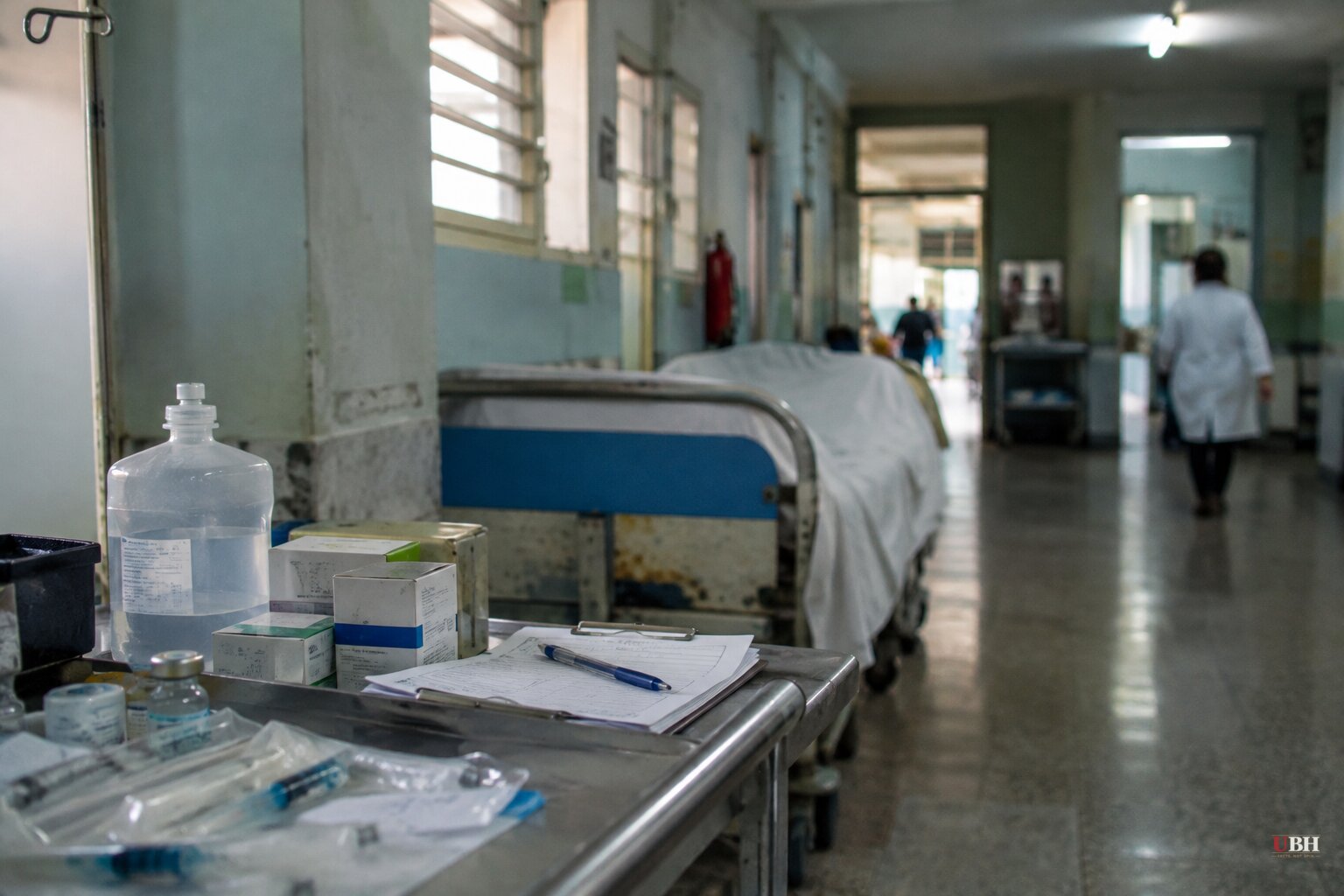
Cuba's own government now says its hospitals are failing in ways it cannot fix.
Health Minister José Ángel Portal Miranda acknowledged serious operational problems across the country's hospitals and clinics at the close of a Communist Party Central Committee visit to the Ministry of Public Health. The visit was led by Miguel Díaz-Canel, and Granma, the party's official newspaper, published the account.
Portal listed shortages of medications, disposable supplies, laboratory reagents and high-tech medical equipment. He also cited broken elevators, boilers, generators, laundry equipment, water systems, cold storage and emergency transport. The minister said the recovery programs now underway are "not sufficient" to solve the problems.
He also conceded what he called "justified dissatisfaction among the population with the services we provide."
The numbers Havana is admitting
Díaz-Canel said more than 90,000 people are waiting for surgery in Cuba. Tens of thousands of patients are struggling to get radiotherapy, chemotherapy and dialysis. More than 34,000 pregnant women are not receiving all the treatments or medical checks they need.
Portal insisted the system has not collapsed. "No institution has been closed in the country; all our hospitals and polyclinics are still working, and while some services have been limited, we have not closed any," he said. Surgeries are being scheduled with priority for operations critical to saving lives, he said.
Inside a Havana pediatric ICU
A visit by CBS's 60 Minutes to William Soler Pediatric Hospital in Havana showed what those shortages look like at the bedside. Doctors there rushed in a 2-month-old boy, abandoned, dehydrated and malnourished, weighing under 5 pounds.
He needed specialized infant formula, much of which comes from the United States. Dr. Alejandro Chong, the head of the ICU, said staff have to "make do with formulas made from malanga" and chicken. Malanga is a starchy root vegetable.
The power grid adds its own risk. When electricity cuts out, a generator kicks in, but Chong said the gap matters for a patient under anesthesia or on a ventilator. Doctors said that when generators fail they have finished surgeries by cellphone light and pumped oxygen by hand for ventilator patients.
Cancer drugs, anesthetics and lab equipment are critically short, doctors said. They also said a toddler had been waiting 68 days for a component of an artificial lung machine needed for her surgery.
Doctors leaving, doctors moonlighting
Staffing is thinning. A large number of doctors have left the profession or the country, according to the physicians interviewed. Many who stayed hold second jobs.
Chong earns more from a food stand he owns than from running the ICU. Dr. Lórien Rodríguez, a second-year pediatric surgery resident, works as a radio announcer to support herself. "There are fewer personnel, fewer resources, and it makes all the work we're doing much more difficult," she said.
Who is to blame
Havana points at Washington. Portal attributed part of the difficulties to a reduction in available financial resources and to U.S. sanctions.
The Trump administration has tightened the decades-old embargo and threatened to sanction those who do business with the Cuban regime. Washington says it does not intend to restrict food and medical supplies. Even so, 60 Minutes reported that many foreign companies, fearful of U.S. penalties, won't sell to Cuba.
The U.S. position is that Cuba's problems predate the new measures, and that the regime mismanaged its economy and let its infrastructure crumble for decades.
Portal's own words cut both ways. He blamed sanctions and money shortages, but he also acknowledged "shortcomings and inadequacies inherent" in the Cuban health system itself.
Fuel is the clearest point of dispute. Cuban officials say only a single oil tanker has reached the island since early January. That has crippled the electrical grid, and the hospitals depend on that grid.
What comes next
The two governments are describing the same shortages and drawing opposite conclusions. Havana says sanctions are strangling a functioning system. Washington says it is not blocking food or medicine and that the regime broke its own infrastructure.
What is documented is the result. More than 90,000 people are waiting for surgery, doctors are improvising formula and hand-pumping oxygen, and the health minister says his repair programs fall short. Whether foreign suppliers resume food and medical sales despite the sanctions threat, or whether the administration clarifies what is safe to ship, is not answered. Neither government has announced a change.
Sources used for this briefing
3 links from 3 independent newsrooms (syndicated copies of the same report count once)
These are the sources it draws on, linked so you can verify.


