
Original briefings. Zero spin.
Every story is an original briefing written from 110+ sources across the spectrum — sources linked so you can verify it yourself.
 health
Low Interest (4/10)
August 24, 2026 at 05:44 PM
health
Low Interest (4/10)
August 24, 2026 at 05:44 PM
COVID Is Rising in the US This Summer, and China's Numbers Look Worse. Vietnam Has a Different Problem Entirely
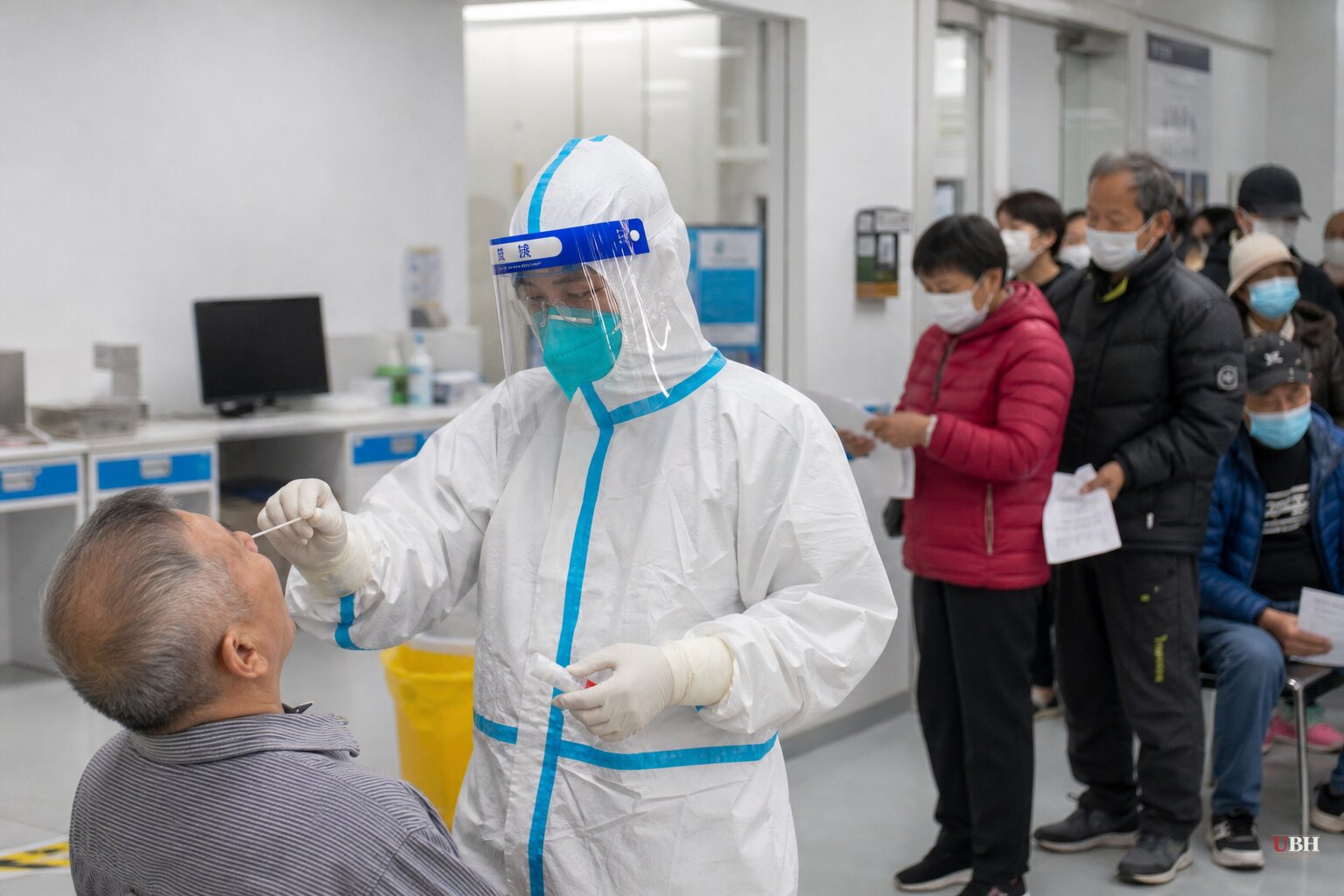
COVID is ticking back up across the country this summer, according to NPR. Dr. John Brooks, an infectious disease physician at Emory University who previously worked at the CDC, told NPR the virus is spreading most in the South and West but rising in the Northeast and Midwest too.
The numbers, though, are low. NPR reports this summer's wave is continuing a multi-year trend of getting milder, with fewer hospitalizations and fewer deaths than prior waves. Brooks attributes that to accumulated immunity from repeat infections and vaccination.
Caitlin Rivers, an epidemiologist at Johns Hopkins University, told NPR that COVID remains genuinely dangerous for older adults, infants, and immunocompromised people, a group she estimates makes up one or two people in a typical 20-person office. That's a fair point. The fact that a virus is mild for most people doesn't mean it's harmless for everyone. Rivers says she still masks in crowded places like airports.
Nobody quoted in NPR's reporting is calling for lockdowns, mandates, or panic. This is a public health advisory about a milder recurring seasonal pattern, not an emergency.
China: The numbers tell a very different story
Compare that to what China's own CDC is reporting. According to The Epoch Times, China's CDC logged 522,000 COVID-19 cases in July, up sharply from June. The outlet cites experts who suspect the real number is higher because of underreporting, a recurring problem given Beijing's history of opacity on disease data going back to the original Wuhan outbreak.
The Epoch Times also reports that as of early August, China's COVID positivity rate exceeded 20 percent, with doctors describing hospitals as overcrowded. Medical experts cited by the outlet say a positivity rate above 20 percent typically signals the epidemic has reached high prevalence.
China's CDC itself raised the official epidemic classification to "medium level" in late July, according to The Epoch Times, though an expert quoted by the outlet said the language used actually describes something "more serious than the 'sporadic outbreak'" designation used previously. Hong Kong health officials, per the same outlet, reported a high death rate among severe cases during the southern China peak in July.
The Epoch Times has an explicit editorial position critical of the Chinese Communist Party, reflected even in how it labels COVID coverage on its site ("CCP Virus"). That doesn't make its case-count and positivity-rate figures wrong, since they're attributed to China's own CDC and named doctors. But readers should know China's government has a track record of downplaying outbreak severity, and independent verification of Chinese case data remains difficult by design, since Beijing controls what gets published and when.
No US or international health agency in these sources has issued a matching alert about a China-specific COVID surge requiring a border or travel response. If positivity rates are really above 20 percent with hospitals overcrowded, why hasn't that triggered a comparable WHO or CDC statement? The sources here don't say.
Vietnam: A different disease, a different age group entirely
Meanwhile in Vietnam, the disease making headlines this week isn't COVID at all. It's hand, foot and mouth disease, a common childhood viral illness. Xinhua reports that Vietnam has recorded nearly 100,000 HFMD cases in the first eight and a half months of 2026, more than 2.5 times the caseload over the same period last year, citing Vietnam's Ministry of Health.
Vo Hai Son, deputy director of Vietnam's disease prevention administration, told Xinhua the surge lines up with the start of the school year, when kids are in closer contact in classrooms and daycare settings. Vietnamese outlet dtinews.dantri.com.vn reports roughly 3,000 new cases a week over the past four weeks, mostly concentrated in southern Vietnam.
Vietnam's health ministry, according to en.sggp.org.vn, is pushing a "three clean" campaign: clean food, clean environment, clean hands. Officials are telling parents to keep symptomatic kids home and watch for high fever, repeated vomiting, trembling limbs, or breathing trouble, which can signal more severe cases requiring immediate medical attention.
HFMD is not new and not exotic. It circulates globally every year, usually hits kids under five hardest, and is rarely fatal when caught early. The concerning part in Vietnam's data is the size of the jump, 2.5 times last year's caseload, and officials there are bracing for it to get worse in September and October, the disease's traditional seasonal peak.
None of these three threads are connected. There's no evidence in these sources that China's COVID surge, the US summer wave, or Vietnam's HFMD outbreak share a common cause or origin. Treating them as one global story would be a distortion. What connects them is simpler: late summer 2026 is a season where three different viruses are testing three different health systems, with wildly different levels of transparency about the numbers involved.
Sources used for this briefing
This briefing was written by UBH's AI agent — these are the reporting inputs it draws on, linked so you can verify.


