
Original briefings. Zero spin.
Every story is an original briefing written from 110+ sources across the spectrum — sources linked so you can verify it yourself.
 health
Major Story (7/10)
Event date: August 31, 2026
health
Major Story (7/10)
Event date: August 31, 2026
Congo Reopens Schools in Ebola Epicenter as Death Toll Passes 2,950, Overriding Teachers' Delay Request
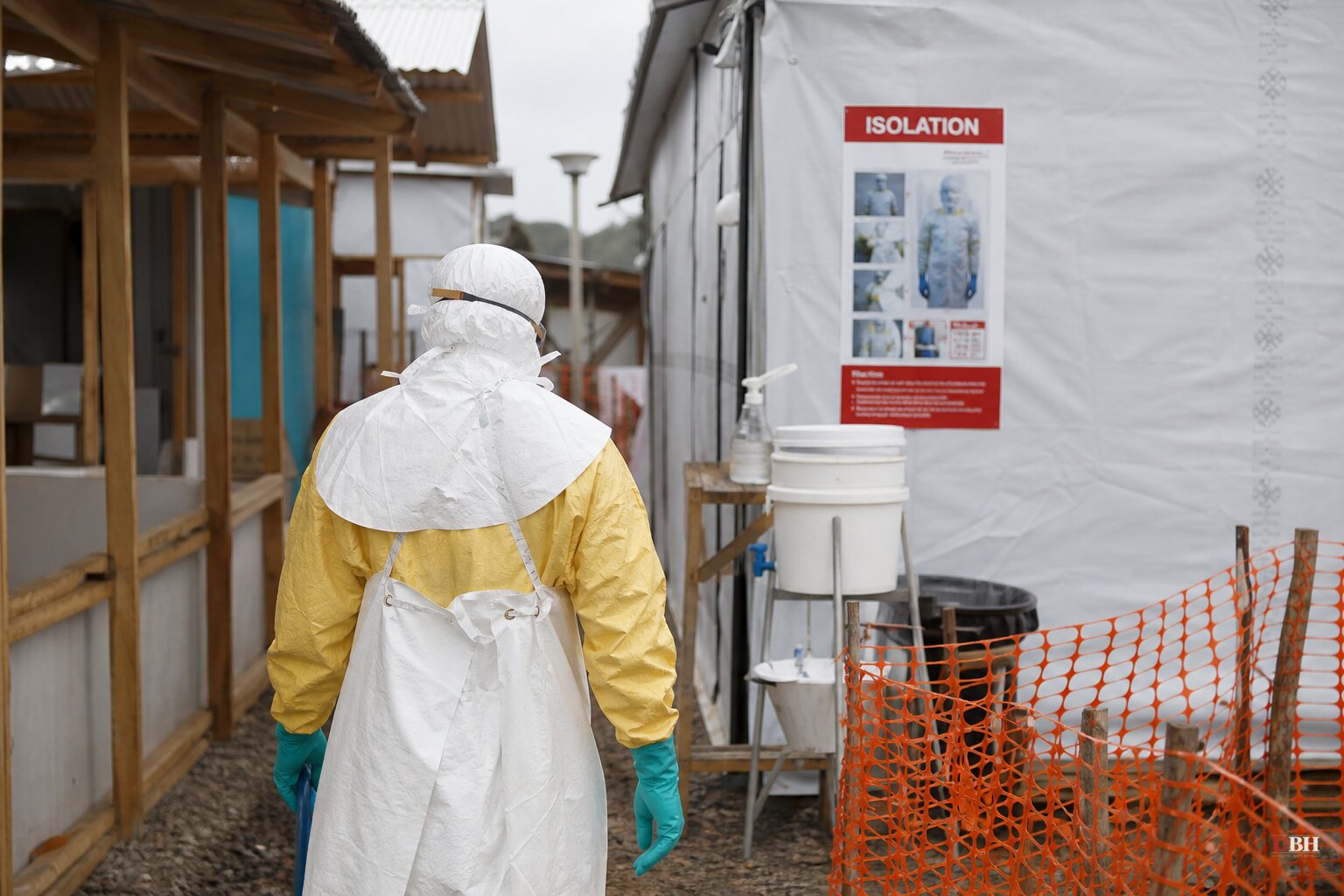
Since Congo's Bundibugyo Ebola outbreak was declared in mid-May, the death toll has climbed to 2,950 among 6,100 confirmed cases as of Tuesday, September 1, according to government data cited by the Associated Press and The Independent. That's up from 2,744 deaths and 5,713 cases reported just five days earlier, on August 27, per Congolese health authorities cited by CBC and KIRO 7. The numbers keep rising while the government just sent millions of kids back to class.
A new academic year opened nationwide Tuesday, including in Ituri province, ground zero for the outbreak. The Ituri teachers union had asked authorities to delay the restart. The government did it anyway.
"We are not opposed to the resumption of classes, but we believe that the health and safety of teachers and students must be a priority," said Budju Lobo Isaac, a representative for the union, according to KIRO 7 and CBC. Fazila Rebecca, a teacher in Ituri's capital Bunia, put it more bluntly to the Associated Press: "We want to resume classes, but not at the cost of our lives. As long as the disease is circulating and protective measures remain inadequate, returning to the classroom means taking a risk we cannot ignore."
Children age four and under have a 60% case-fatality rate in this outbreak, the highest of any age group, according to World Health Organization data cited across multiple reports including AP, CBC and KIRO 7. Packing kids into classrooms and dormitories in the middle of the fastest-spreading Ebola outbreak in history carries real risk.
On the ground, turnout reflected that fear. Some government-run schools in Ituri saw low attendance Tuesday, according to AP and Click2Houston. Aimerance Vahweka, a parent in Bunia, said the restart caught her off guard and she's keeping her child home. "I do not really see an increase in prevention measures," she told the AP.
School officials say they're trying. Etienne Ndjabu, a teacher at a private school in Bunia, said schools are being equipped with noncontact infrared thermometers, hand sanitizer and hand-washing stations, and that students are being taught hygiene protocols. The International Rescue Committee said it's running Ebola-prevention training across 30 schools in Ituri. Hannah Gibbin, the IRC's Ebola response team lead in Bunia, said "education cannot be the next casualty of this outbreak," arguing that keeping kids in school gives back stability the disease has stripped away.
But Greg Ramm, Save the Children's director in Congo, told the AP many schools still lack clean water, and funding for prevention measures remains below target. "There are also significant logistical challenges, particularly in remote areas, where the delivery of equipment and learning materials may be delayed," he said. Authorities in Ituri did not respond to press requests for comment on classroom transmission safeguards, according to AP, The Independent and Click2Houston.
The official case count might be a fraction of reality. CBC's report, drawing on comments from Africa CDC, quoted epidemiologist Kyeng Mercy saying only 30 to 40 percent of cases are likely being detected. "So with all this, we're seeing that this outbreak could be three times larger than the current actual size that is being recorded," she said. That detail did not appear in the AP's Tuesday wire copy, Breitbart's report, or Click2Houston's version, all of which stuck to the official tallies without flagging the undercount warning. If Mercy is right, the real death toll and case count dwarf the government's public numbers, which makes the decision to reopen schools without a clear epidemiological picture look even shakier.
Money is a factor too. UN Secretary-General António Guterres said last Thursday, per KIRO 7, that the international response plan needs an additional $1.1 billion and is only 48% funded, "largely because of a major contribution from the United States." Guterres warned that without more cash, "vital operations will run out of money just when they need to expand." The U.S. is already carrying a disproportionate share of the funding load while much of the rest of the world sits on the sidelines watching Congo's health system buckle.
There's still no approved vaccine or treatment for the Bundibugyo strain, though Congo has started distributing the Ervebo vaccine, which the WHO says may offer partial protection, and clinical trials of other candidates have begun. Health worker strikes over unpaid wages continue to hamper the response, according to KIRO 7 and Breitbart.
The open question now is simple: will Ituri's low school turnout Tuesday turn into a broader boycott, and will the government revisit its refusal to delay reopening in the province at the center of the outbreak? Neither the DRC's national government nor Ituri provincial authorities have announced any change in plans as of Tuesday.
Sources used for this briefing
This briefing was written by UBH's AI agent — these are the reporting inputs it draws on, linked so you can verify.


