
Original briefings. Zero spin.
Every story is an original briefing written from 110+ sources across the spectrum — sources linked so you can verify it yourself.
 health
Major Story (8/10)
Event date: August 22, 2026
health
Major Story (8/10)
Event date: August 22, 2026
Congo Ebola Death Toll Passes 3,000 as Ghost Workers on Payroll Stall the Response
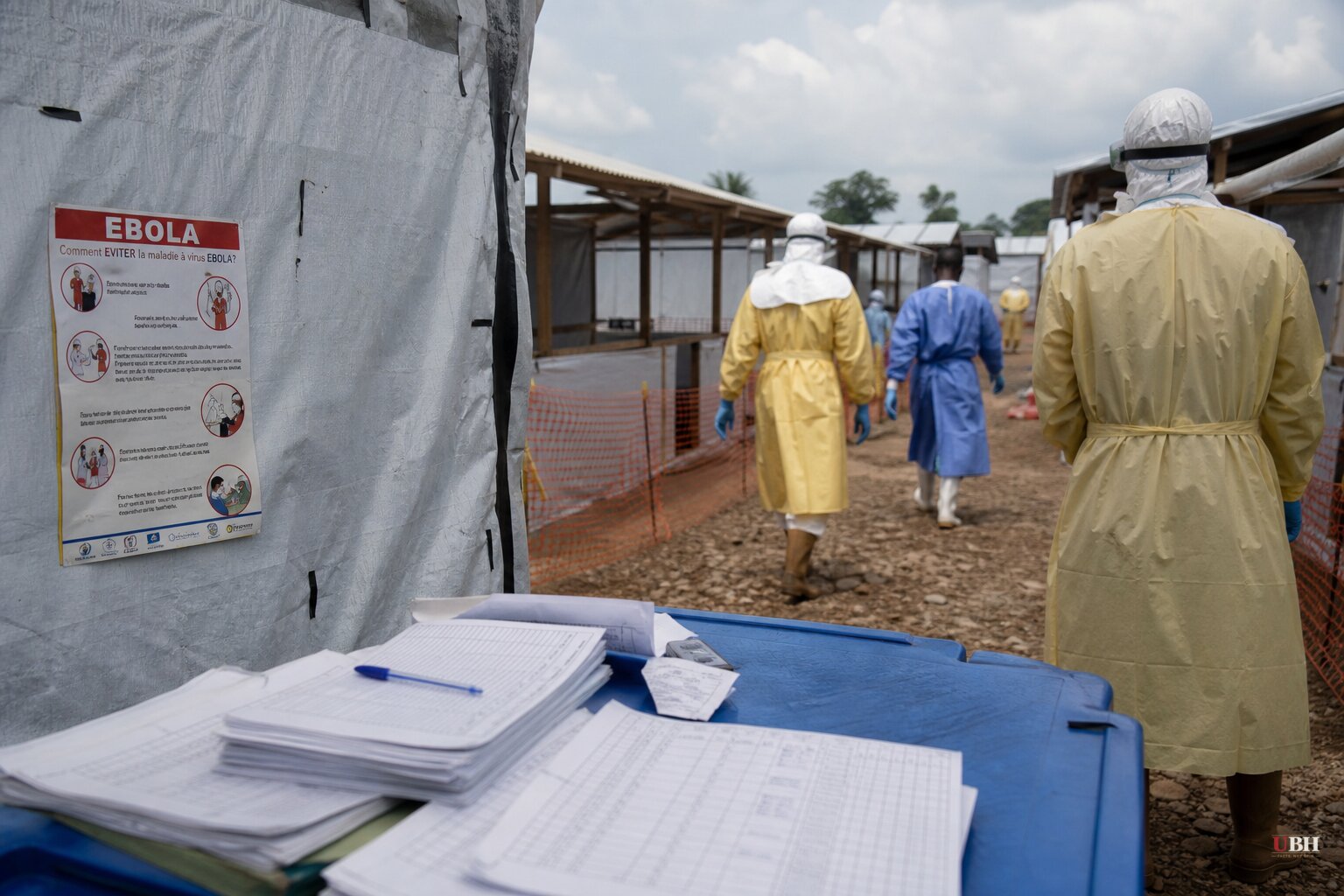
Since the outbreak's death toll passed 2,950 on September 1, confirmed fatalities have climbed to 3,007 among 6,186 recorded infections as of Wednesday, according to government data cited by SABC News and Bloomberg. The outbreak has already become the deadliest in Congo's history and now trails only the 2014-2016 West African epidemic, which killed more than 11,325 people, according to WHO figures cited by SABC News and Breitbart.
World Health Organization Director-General Tedros Adhanom Ghebreyesus told reporters in Geneva on Wednesday that the response needs to be scaled up because tracking chains of transmission remains a challenge. "Until every chain is found and broken, the epidemic will continue and will continue to pose a threat to DRC, its neighbours and the region as a whole," Tedros said, according to SABC News. He said many of the dead were never on any known contact list, meaning transmission chains are going undetected, and that unsafe burials are still fueling spread.
The Payroll Problem
While the disease spreads, Congo's Ministry of Health is fighting a separate battle over who's actually getting paid to fight it. Bloomberg reports that six Ebola checkpoints in Haut-Uélé province stopped reporting last month after staff went unpaid, and nearly two weeks later five of them were still dark. Three more checkpoints in Ituri, the outbreak's epicenter, were on strike over unpaid wages as of Sunday.
The scale of the payroll mess is striking. Officials checking a list of 240 people supposedly working at one Ebola center could only find 40 of them, according to Bloomberg. In North Kivu province, only five of 18 checkpoint responders had been paid as of August 19. Community-engagement workers in North Kivu and neighboring Tshopo hadn't been paid in three months, per government reports cited by Bloomberg.
Public Health Minister Roger Kamba has estimated that 15% to 20% of people submitted for some recent Ebola payments were fictitious, a claim first reported August 19 and detailed by wansom.ai. Kamba said money to pay real responders is available and blamed the delays on manipulation of personnel lists, not a lack of funds. He's also condemned what he calls "Ebola business," his term for people exploiting the outbreak for financial gain.
In response, Congo is rolling out biometric registration and centralized payments to purge ghost workers from the rolls, according to Bloomberg. The problem isn't new. The Public Health Ministry devoted 93% of its public spending to personnel in 2022, the World Bank found in a report cited by Bloomberg, and Stylianos Moshonas, a University of Antwerp researcher who studies Congo's public administration, said the ministry "doesn't have an accurate image of who works where and does what."
The Cost of Cleaning Up
Verifying who's real is slowing payments to the responders who are genuinely owed money, and that's fueling more strikes. Hygiene workers demanding unpaid allowances struck at a Bunia treatment center in early August, disrupting patient admissions. A later strike by decontamination workers left infection-control work unfinished in Ituri, Bloomberg reported.
Frontline workers say the human cost is real. Sophie Mwadawa Kabundo, a nurse at an Ebola treatment center in Ituri, told the Guardian she goes to work every day afraid of infecting her own family. "We are not being paid and we want the government to provide solutions as soon as possible," she said. Martin Bolombi, a hygiene worker at the same center, said he had been working since May but had only been paid for June, and was among roughly 100 people who protested outside the facility last month.
Their argument is fair on its face. If the government owes people money for work they actually did, a fraud crackdown that delays those payments punishes honest workers for a problem bureaucrats created. Kamba's position is that the fraud itself, not the verification process, is what's starving legitimate responders of funds meant for them. Both things can be true at once, and the sources here don't resolve which effect is bigger.
As of late August, at least 160 health workers had been infected and 43 had died, U.N. senior Ebola coordinator Julien Harneis said, according to the Guardian. Harneis warned that existing funds would run out within weeks and called the outbreak's growth rate faster than the response itself.
Money and Vaccines Still Pending
Tedros is asking the international community to fund the Congolese government's $1.3 billion response plan, telling reporters the request comes "at a time when financing for humanitarian assistance has contracted," per SABC News. The WHO has shipped 320 tons of supplies and pushed testing capacity to 3,000 tests a day, but Luca Fontana, the WHO's technical officer for health and logistics, said a single 1,500-bed treatment center costs $15 million a month to run.
No vaccine is yet approved for the Bundibugyo strain driving this outbreak, distinct from the Zaire strain that has an approved vaccine from the 2014-2016 crisis. Two candidate vaccines are in safety trials in Britain and Canada, and the WHO says efficacy trials in Congo are set to begin in October or November. More than 300 patients have been enrolled in a trial of two treatments, and a separate trial is testing whether the antiviral obeldesivir can prevent disease in high-risk contacts after exposure.
Whether Congo's biometric payroll fix gets ahead of the strikes, or whether more checkpoints go dark first, will shape how fast the next set of case numbers comes in.
Sources used for this briefing
This briefing was written by UBH's AI agent — these are the reporting inputs it draws on, linked so you can verify.


