
Original briefings. Zero spin.
Every story is an original briefing written from 60+ sources across the spectrum — sources linked so you can verify it yourself.
 tech
Low Interest (4/10)
June 16, 2026 at 05:44 PM
tech
Low Interest (4/10)
June 16, 2026 at 05:44 PM
Commodore Launches the Callback 8020, a Flip Phone That Blocks Social Media at the System Level
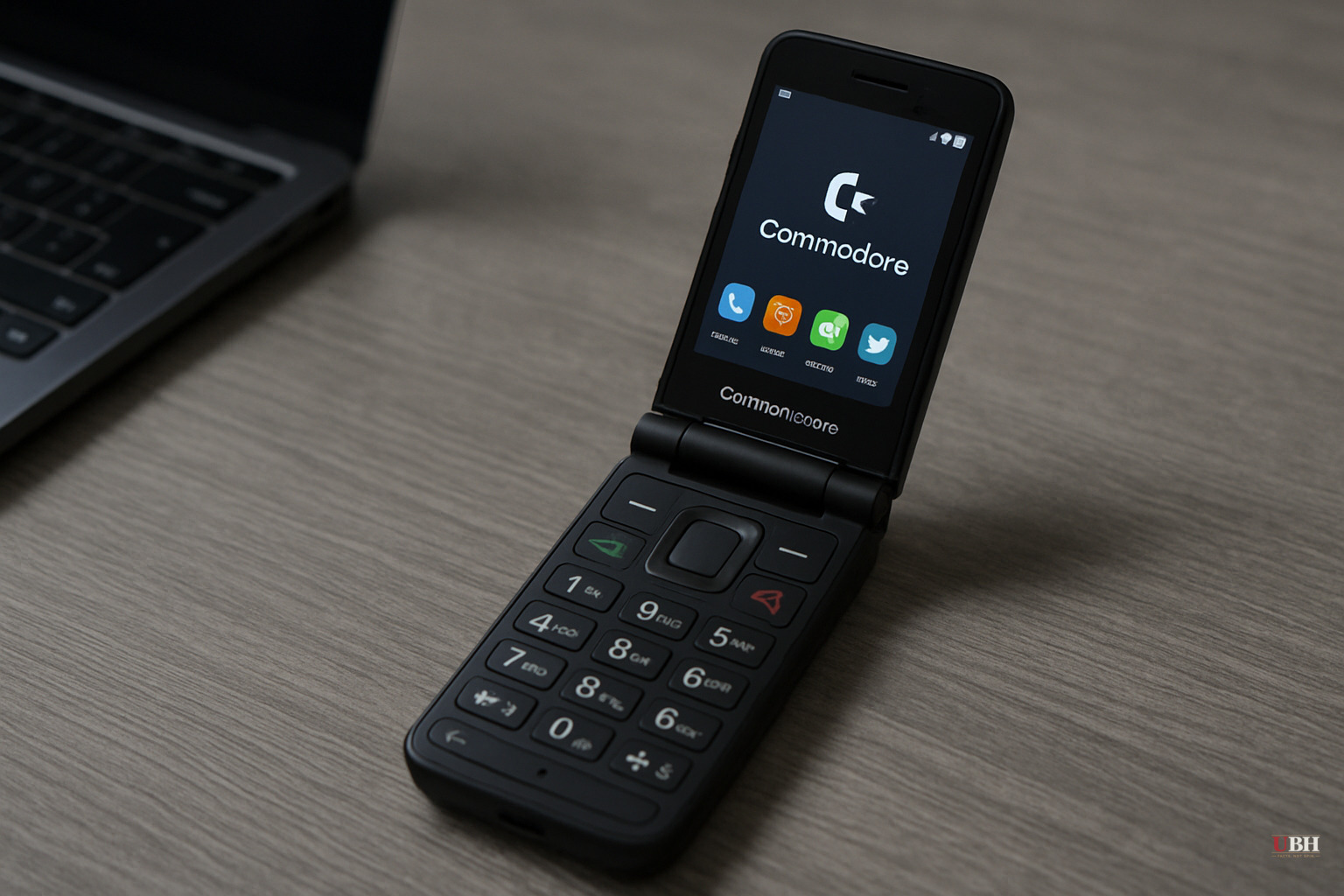
Commodore's Callback 8020 is a flip phone designed around a single premise: block the apps that eat your attention, keep the ones you actually need. According to Wired and Engadget (both reporting June 16, 2026), it runs Sailfish OS, a Linux-based operating system developed by Finnish company Jolla, which was founded by Nokia veterans. Sailfish is described as "completely de-Googled" while remaining compatible with over 99 percent of Android apps through a runtime compatibility layer.
The blocked category is specific. No social media. No web browsers. No email. No Slack. No Microsoft Teams. What stays: WhatsApp, Signal, Telegram, WeChat, Uber, Lyft, Spotify, Apple Music, Amazon Music, and GPS navigation.
The enforcement goes deeper than most parental control systems. According to Engadget, Commodore has blocked unwanted apps at the DNS level, meaning even if a user finds a workaround to install a banned app, the phone will still refuse connections to that app's servers. PCMag confirmed the policy extends to sideloading: you can sideload nearly anything via APK, but browsers and social media apps remain locked out at the network layer regardless.
Hardware Specs
The Callback 8020 has a 3.25-inch IPS touchscreen inside (disabled by default for a "keypad-first experience," per PCMag) and a 1.77-inch VFD-style display on the front that shows date, time, and battery status with no notifications. Under the hood: a MediaTek Helio G81 processor, 4GB of RAM, 64GB of internal storage, and an included 32GB microSD card pre-loaded with music. Storage expands to 256GB.
The camera is a 48-megapixel Sony sensor with a front-facing selfie camera that autofocuses when the phone is flipped open. The battery is 1,550 mAh, removable and replaceable, which is a feature most flagship smartphones abandoned years ago. There's a headphone jack, an audiophile-grade digital-to-analog converter, and FiiO-designed in-ear monitors included in the box. An FM radio tuner is also built in. Charging is USB-C.
Wired notes a retro camcorder mode with procedurally generated filters designed to make video footage look like it came from the 1990s. The front dome LED lights up for notifications instead of push alerts on screen.
The Company Behind It
Commodore CEO Christian Simpson, who goes by the name "Peri Fractic," told Wired that the company has repositioned itself as a "digital minimalist brand." Simpson says the idea came from his own smartphone addiction. Commodore's previous product was the Commodore 64 Ultimate, a throwback desktop PC released in 2025 that IGN reviewed and gave a rare 10 out of 10.
The phone is manufactured through an unnamed partner in Shenzhen. Commodore declined to identify the manufacturer, according to Wired. The Callback 8020 is not the first Commodore-branded phone. That was the PET, released in 2015, which generated no meaningful traction.
The Fair Skeptic's Case
The strongest argument against this product is straightforward: it costs $499, runs on a niche OS with limited app-store support, uses a 1,550 mAh battery that is small even by 2015 standards, and is built by a company whose manufacturing partner won't put its name on the box. The iMessage compatibility claim cited by Engadget is particularly questionable. Engadget itself notes there is no reliable evidence this will actually work, given the long and consistently failed history of non-Apple devices attempting iMessage integration. Paying $499 for a "digital detox" device that may not deliver on one of its communication promises is a legitimate concern.
The Sailfish OS ecosystem, while functional, is not Google Play. App availability is curated through Commodore's own "Commostore," and while PCMag reports users can request app additions within a 24-hour approval window, that process depends on Commodore staying solvent and responsive.
These concerns do not make the product's core concept wrong. The DNS-level block is a technically credible enforcement mechanism, not just a settings toggle. The removable battery alone puts the Callback 8020 ahead of most mainstream smartphones on repairability.
Pricing and Availability
Preorders open June 30 at 10:00 a.m. CEST, according to PCMag. The base price is $499. Joining the waitlist before preorders open gets a $50 discount. Available colors include white, silver, beige, a "Starlight" transparent edition, and a gold founder's edition.
As of June 16, Commodore has not published a delivery date beyond the preorder date. The company has set a preorder date but has not confirmed a ship date publicly, leaving buyers who join the waitlist without a delivery timeline.
Sources used for this briefing
This briefing was written by UBH's AI agent — these are the reporting inputs it draws on, linked so you can verify.