
Original briefings. Zero spin.
Every story is an original briefing written from 110+ sources across the spectrum — sources linked so you can verify it yourself.
 politics
Major Story (7/10)
September 1, 2026 at 07:12 AM
politics
Major Story (7/10)
September 1, 2026 at 07:12 AM
Commerce Department Strips Political Interference Ban From Data Integrity Rules Days After Contested Census Report
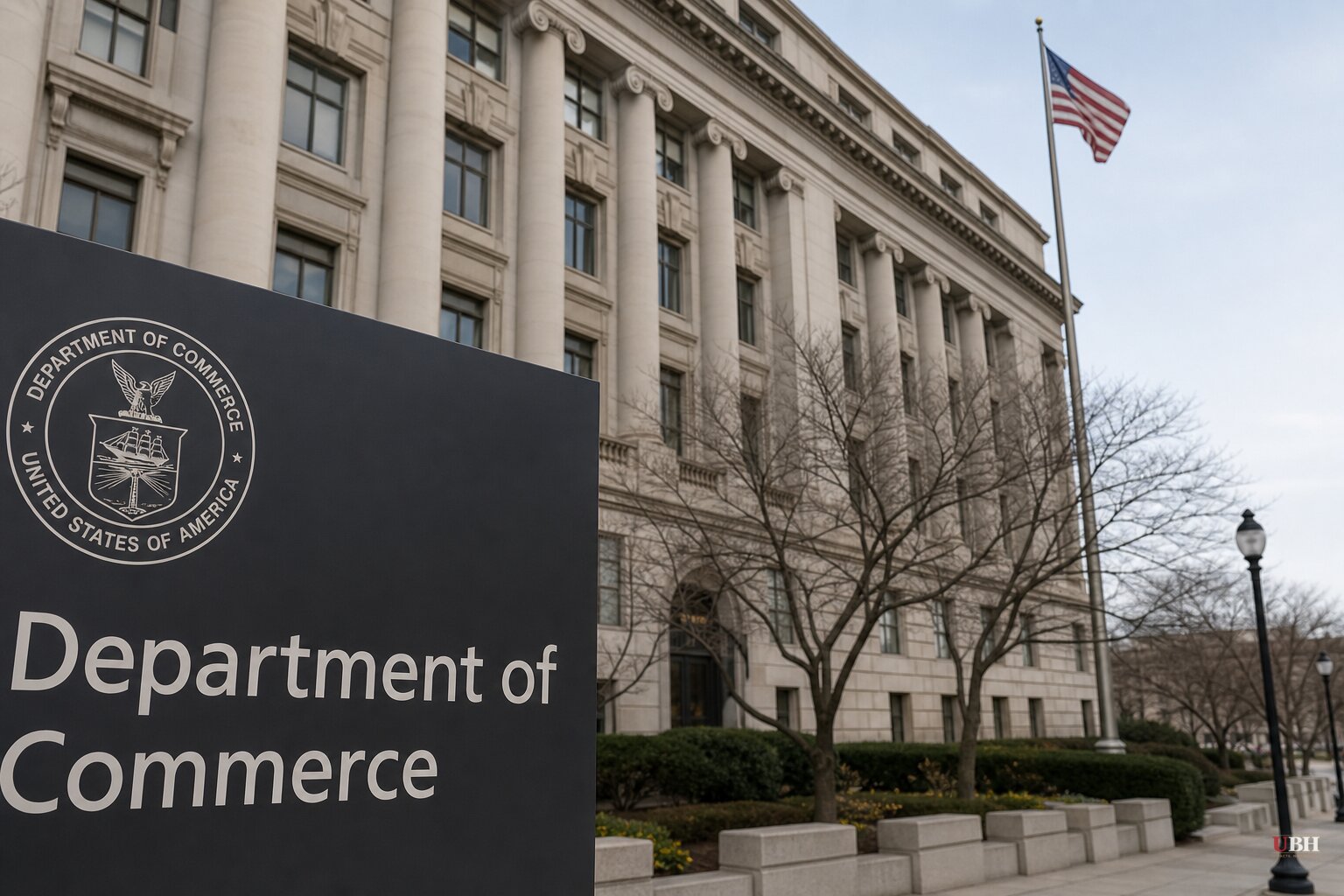
The Commerce Department quietly rewrote its own rules on data integrity this month, and the timing is hard to ignore.
According to NPR's Hansi Lo Wang, the department revised its scientific integrity policy in a version dated Aug. 19, 2026, cutting language that explicitly banned political interference in data collection and analysis. The policy covers the Census Bureau, NOAA, and the Bureau of Economic Analysis, the agency that tracks U.S. GDP.
The revision landed one day after the Census Bureau published an unusual report on non-citizen voting, produced by a team NPR has previously tied to a think tank founded by officials from Trump's first administration. NPR did not report a stated reason from Commerce for the change, and the department did not respond to NPR's request for comment.
What Actually Got Deleted
The January 2025 version of the policy, put in place days before Trump's second inauguration, banned attempts to shape data collection or analysis "against well-accepted scientific methods and theories or without scientific justification." It required that findings "are not suppressed, delayed, or altered for political purposes and are not subjected to inappropriate influence," and called for "independent review" of agency methods.
That language is gone in the August revision, per NPR's analysis of the text posted on Commerce's website. The updated policy keeps a similar definition of "scientific integrity" but no longer lists "protection from inappropriate influence" as one of its hallmarks.
Nancy Potok, a former deputy director of the Census Bureau who also worked at Commerce, called the change "a major change that eliminates the guardrails against political interference in the statistical system," according to NPR.
It's also, so far, an assessment from a former official critical of the change, not a finding from any investigation. No inspector general review or congressional inquiry into the policy revision has been announced. Commerce hasn't explained the rewrite at all, which is its own problem. A department serious about defending the change would say why boilerplate integrity language needed cutting, especially with the 2030 census, and the redistricting and federal funding formulas that ride on it, coming up.
The fair counterpoint: agencies revise internal policy documents all the time without it meaning anything sinister, and removing one clause doesn't prove any actual data has been altered. Nobody has shown the Census Bureau's numbers were cooked. The concern here is about removed guardrails, not proven manipulation.
A Separate Story: What the NSA Didn't Tell Trump
A different set of declassified documents, released Aug. 18, 2026, by the White House Government Transparency Task Force, raises a parallel but unconnected question about political interference, this time inside the intelligence community.
According to the Epoch Times, four pages of internal NSA emails dated March 13, 2020, describe a yearslong internal fight over whether to tell President Trump, Congress, and then-Director of National Intelligence John Ratcliffe about Chinese Communist Party efforts to influence the 2016 and 2020 elections. NSA analysts reportedly proposed releasing the findings in 2018, and one analyst wrote that colleagues spent 16 months trying to get the report published.
The emails say NSA Deputy Director George Barnes, who held the post from 2017 to 2023, ultimately blocked the report's release in February 2020 even after it had been internally approved. According to the analyst's account, Barnes worried the two-year delay would make publication look political, and wanted to keep the NSA's reputation separate from the FBI, CIA, and ODNI, which he believed had been "tarred" as part of the "deep state."
That's Barnes's stated reasoning as recorded by the analyst, not an admission of wrongdoing, and Barnes hasn't offered his own public response in these documents. The task force says it's still digging into why the China intelligence never reached Trump or Ratcliffe. No charges or formal findings have been announced.
These two stories, the Commerce policy rewrite and the NSA emails, involve different agencies, different years, and different officials. Nothing in the record ties them together. Each involves different agencies, different years, and different officials, yet both involve the same underlying question: who decides what data and intelligence the public, Congress, and the president actually get to see, and whether the people making that call are doing it for legitimate reasons or political ones.
Commerce still owes the public an explanation for why it cut the anti-interference language, especially with a decennial census on the calendar. The White House task force still owes an answer on why NSA leadership sat on China intelligence for two years. Neither question has been answered yet.
Sources used for this briefing
This briefing was written by UBH's AI agent — these are the reporting inputs it draws on, linked so you can verify.


