
Original briefings. Zero spin.
Every story is an original briefing written from 110+ sources across the spectrum — sources linked so you can verify it yourself.
 health
Notable (5/10)
Event date: August 30, 2026
health
Notable (5/10)
Event date: August 30, 2026
Colorado Bear Sightings Top 7,000 in 2026, Smashing the 2019 Record as Drought Empties the Woods
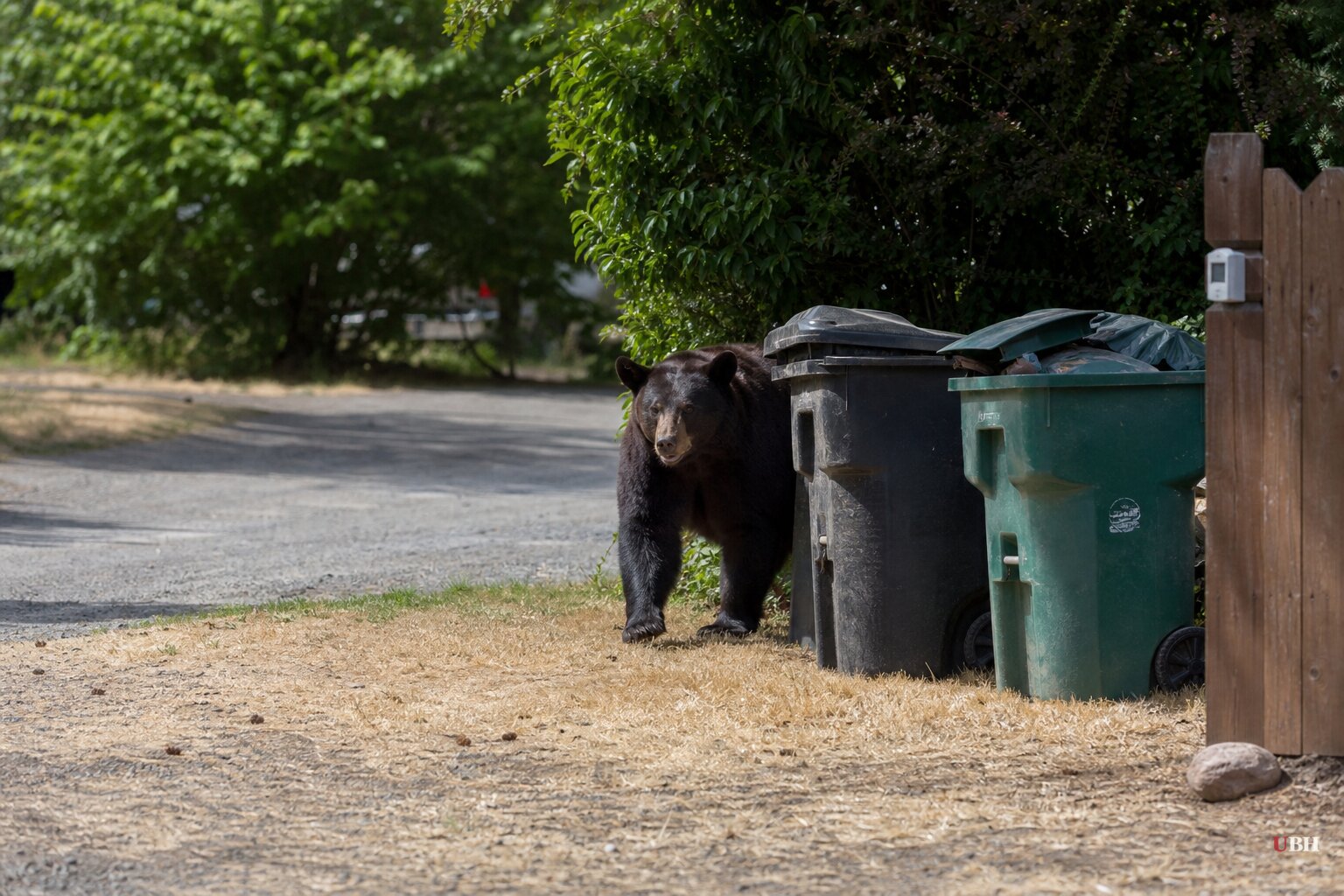
Matt Errico was using the bathroom in his Granby, Colorado home when he heard noises in the hallway. He walked out to find two black bear cubs, each about the size of a golden retriever, standing a few feet away. After a brief staring match, the bears bolted out the front door.
"I've definitely never heard of bears inside, you know, cubs inside someone's house," Errico told Reuters. He's had bears in his garbage before. This was the first home invasion.
Erico's encounter is one data point in a record year. Colorado Parks and Wildlife has logged more than 7,000 bear sightings and conflicts in 2026, according to state figures cited by Reuters, topping the previous full-year record set in 2019. An earlier snapshot from the Longmont Leader put the count at 6,129 as of late August, versus 3,115 over the same stretch in 2025, meaning reports have roughly doubled year over year.
Bears aren't just wandering into backyards. They've been found inside a Granby vape shop, near a school in Santa Fe, New Mexico, up a tree by a Denver farmers market, and inside a Colorado Springs fire station, according to Reuters. A black bear turned up on the Colorado State University campus in Fort Collins and was relocated without incident, the Longmont Leader reported.
What's driving bears into town
The root cause, according to bear experts and state agencies, is food. Colorado just came off its driest winter on record, according to Reuters, wiping out the grasses, berries and nuts that make up roughly 90% of a black bear's diet.
The Estes Valley Voice, drawing on Colorado Parks and Wildlife's own forage surveys, reported this is shaping up as the worst natural food year for bears statewide since the agency started tracking conditions in 2008. The drought wasn't the only culprit. Late spring freezes killed off lower-elevation mast crops before they could develop. A dry summer, major wildfires and hail followed.
The timing makes it worse. Colorado is deep into what wildlife biologists call hyperphagia, the late-summer and fall period when bears try to pack on three to four pounds a day before denning for winter. CPW Habitat Conservation Supervisor Casey Cooley told the Longmont Leader that "wildlife are having to work harder to find food and water" this year and urged people not to feed or disturb them.
Six attacks, and a rising body count
Colorado has recorded at least six bear attacks in 2026, with four of them happening within a single week in late August, according to the Longmont Leader. A homeless man was bitten on the head by a bear in Aspen and treated at a hospital. A man near Eagle-Vail was injured tripping while trying to escape a bear that swiped at him near an apartment complex.
The conflicts are lethal for bears too. Jonathan Livingston, a Colorado Parks and Wildlife spokesperson, told Reuters that between 1.5% and 2% of sightings end in euthanization, typically when a bear is deemed dangerous, such as attacking a person or breaking into a home. Reuters also reported that New Mexico has killed 187 bears in 2026, the most since 2011, and Utah has euthanized 39, already a record for any full year in that state.
The Colorado Bear Coalition, a conservation group cited by Reuters, argues bears too often pay with their lives for human carelessness and says wildlife agencies should do more to prevent conflicts before they turn deadly. This complaint has merit on its surface. A 1.5-2% kill rate applied to 7,000-plus sightings still adds up to well over a hundred bears put down in Colorado alone this year, on top of the animals hit by cars, shot, or electrocuted on power infrastructure while foraging near towns, according to Reuters.
But the state's own numbers cut against the idea that agencies are trigger-happy. Livingston told Reuters that early reporting usually lets officials scare bears off rather than kill them, and CPW's stated policy reserves euthanization for animals that have already attacked someone or broken into an occupied structure. Whether that threshold is applied consistently across the state's dozens of field offices isn't something the available reporting settles either way.
More bears, more people, less forest to go around
None of this is happening in a vacuum. Colorado's black bear population has grown from an estimated 8,000 to 12,000 animals in 1992 to somewhere between 17,000 and 20,000 today, according to the Estes Valley Voice, even as the state absorbed some of the country's largest wildfires and repeated droughts in 2002, 2012, 2018 and 2020. Over that same stretch, Colorado's human population climbed from under 3.5 million to more than 6 million, pushing subdivisions into terrain bears have used for generations, particularly around Vail and Colorado Springs, according to Reuters.
Black bear expert Jon Beckmann told Reuters the pattern amounts to an experiment neither side signed up for. Bears are being tested in ways they've never been tested before, and so are humans. He and other researchers cited by Reuters worry that if Western winters keep trending warmer and drier, bears could grow more comfortable raiding human food sources year-round, or in extreme cases stop denning altogether.
For now, CPW's advice is unglamorous: lock trash bins, take down bird feeders, leash dogs on trails through October, and call the agency the moment a bear shows up rather than after it's already broken something. Hyperphagia season runs into October, meaning the sightings count and the state's euthanization tally are both likely to keep climbing before the state's bears finally den down for winter.
Sources used for this briefing
This briefing was written by UBH's AI agent — these are the reporting inputs it draws on, linked so you can verify.


