
Unbiased headlines. Facts, not spin.
Every story is an unbiased news briefing written from 110+ sources across the spectrum — sources linked so you can verify it yourself.
 health
Major Story (7/10)
August 12, 2026 at 09:44 AM
health
Major Story (7/10)
August 12, 2026 at 09:44 AM
Colombia Pulls Survivor From Rubble as Officials Revise Earthquake Death Toll Down to 216
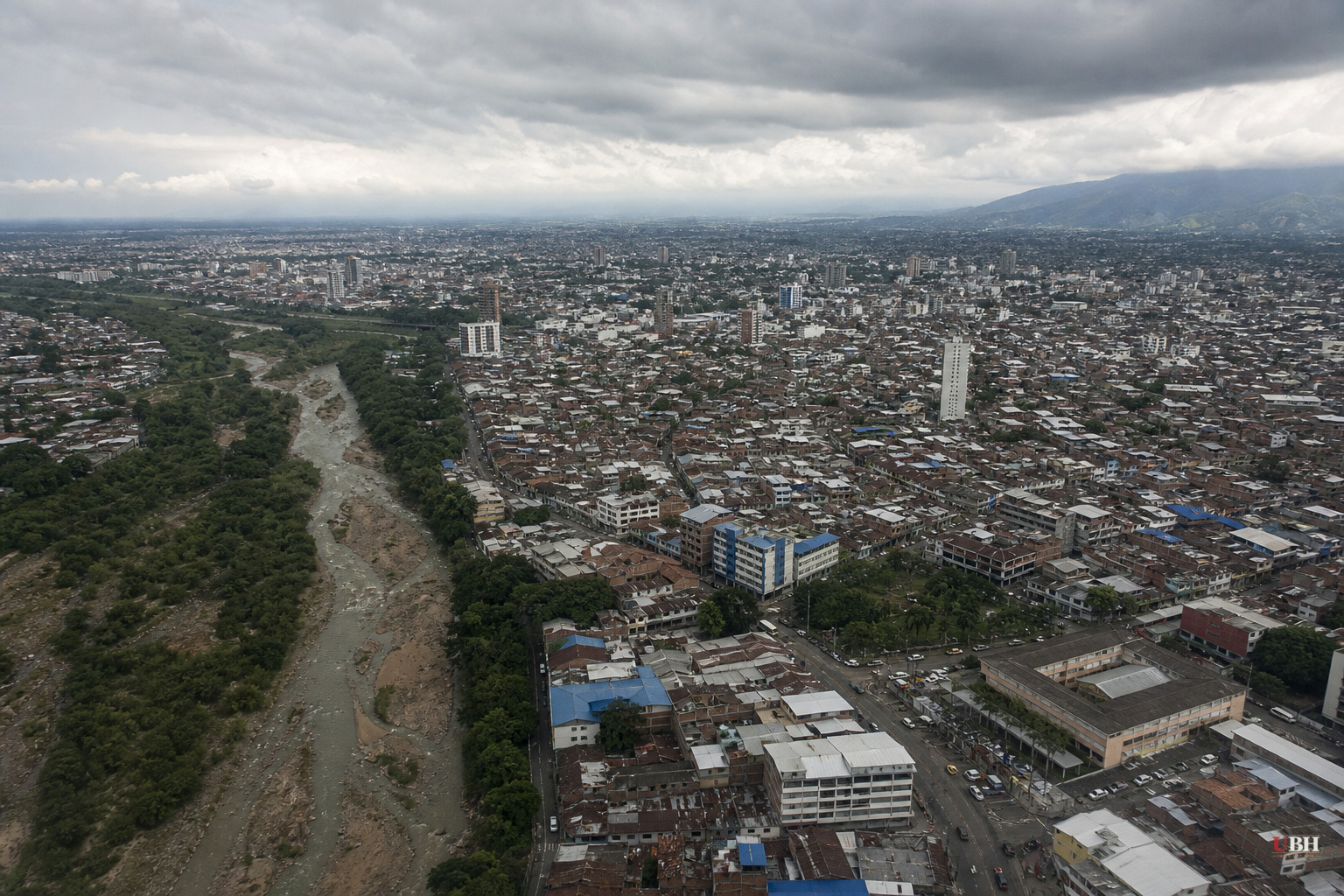
Since the earthquake struck western Colombia on Monday, August 10, the confirmed death toll has moved in both directions, climbing past 180 and then getting revised amid conflicting local reporting.
Colombian President Abelardo de la Espriella put the confirmed dead at 181 as of Tuesday, according to CBS News. But local officials in Cali later corrected their earlier casualty figures, and Euronews reported the toll now stands at 216. The discrepancy shows how fluid the numbers remain three days after the 7.4 magnitude quake, Colombia's strongest on record.
In Pereira, rescuers pulled 32-year-old Daniela Largo alive from the rubble of a collapsed building Tuesday, according to Euronews. She had been trapped for more than a day. A local resident heard cries for help beneath the debris and organized neighbors to start digging before professional crews arrived, her mother Sandra Milena Perez told Euronews. Largo was carried out wrapped in a blue blanket to cheers from rescuers and relatives.
"Thanks to him, today we're happy," Perez said. "At home, her 12-year-old son is waiting for her."
Aid agencies consider the first 48 to 72 hours after a quake critical for finding survivors alive, according to PBS. Colombia is now inside that window, and every hour narrows the odds for anyone still trapped, though the timeline can stretch further if survivors have access to food and water.
The gap between official and unofficial missing-persons counts remains significant. De la Espriella listed 195 people as officially missing, but PBS and CBS both reported that civilian-run databases, where families post information about missing loved ones online, suggest the real number could be closer to 4,000. This reflects a system straining to track displacement across dozens of cities and towns rather than any single official failure. Colombia's government has not explained the discrepancy or said when it expects to reconcile the two counts.
Other rescues and losses are playing out block by block. In Cali, Beatriz Arcos told Euronews she was trapped under her collapsed condominium with her husband and mother for about an hour before rescuers freed her. A concrete block fell on her back and she was hospitalized; her husband and mother were also hurt. Elsewhere in Pereira, Jairo Vargas drove 135 miles from Medellin hoping to find his brother alive in the wreckage of an apartment building, according to PBS. By Tuesday he had lost hope, telling PBS the silence beneath the debris made him fear the worst.
De la Espriella took office just three days before the quake hit, according to both CBS and PBS. He declared a state of emergency and has pledged a full-scale rescue effort. PBS noted his election reflected a rightward shift in Colombian politics and that he won in a country split by recent elections, making national unity in the response politically significant as well as logistically urgent.
The response exposes regional inequality. PBS reported that Choco, the region closest to the quake's epicenter, is one of Colombia's poorest and most neglected areas, often destabilized by armed groups and reachable only by boat, jungle trail or plane. Local leaders and families elsewhere in rural areas told PBS they worry casualty and damage figures from those hard-to-reach communities simply haven't made it into the official count yet.
Material damage remains extensive. De la Espriella said more than 1,000 homes were destroyed and thousands more damaged, according to CBS. Hospitals in five cities were placed on red alert and a nighttime curfew was imposed in Cali, local authorities said. Power was still down across large parts of Pereira as of Tuesday, a city of more than half a million residents.
Aftershocks continue to rattle the region, and families in Pereira and Cali have been sleeping in parks and on streets rather than risk returning to damaged buildings, according to Euronews. As the search moves past its most critical window, the question is whether Colombia's government will publish a reconciled national count and how many of those still listed as missing will be found alive.
Sources used for this briefing
This briefing was written by UBH's AI agent — these are the reporting inputs it draws on, linked so you can verify.


